 listicle
Is a Tactical Multi-Tool Worth It? A 2026 Review
Table of Contents
- What Makes a Multi-Tool 'Tactical'?
- Essential Features of a Tactical Multi-Tool
- The Best Tactical Multi-Tool for EDC: What to Look For
- How to Maintain a Tactical Multi-Tool
- Multi-Tool vs. Dedicated Pocket Knife: Which Wins?
- Legal and Travel Restrictions You Need to Know
- Long-Term Wear, Ergonomics, and Real-World Value
- Frequently Asked Questions
Last Updated: September 29, 2026
What Makes a Multi-Tool 'Tactical'?
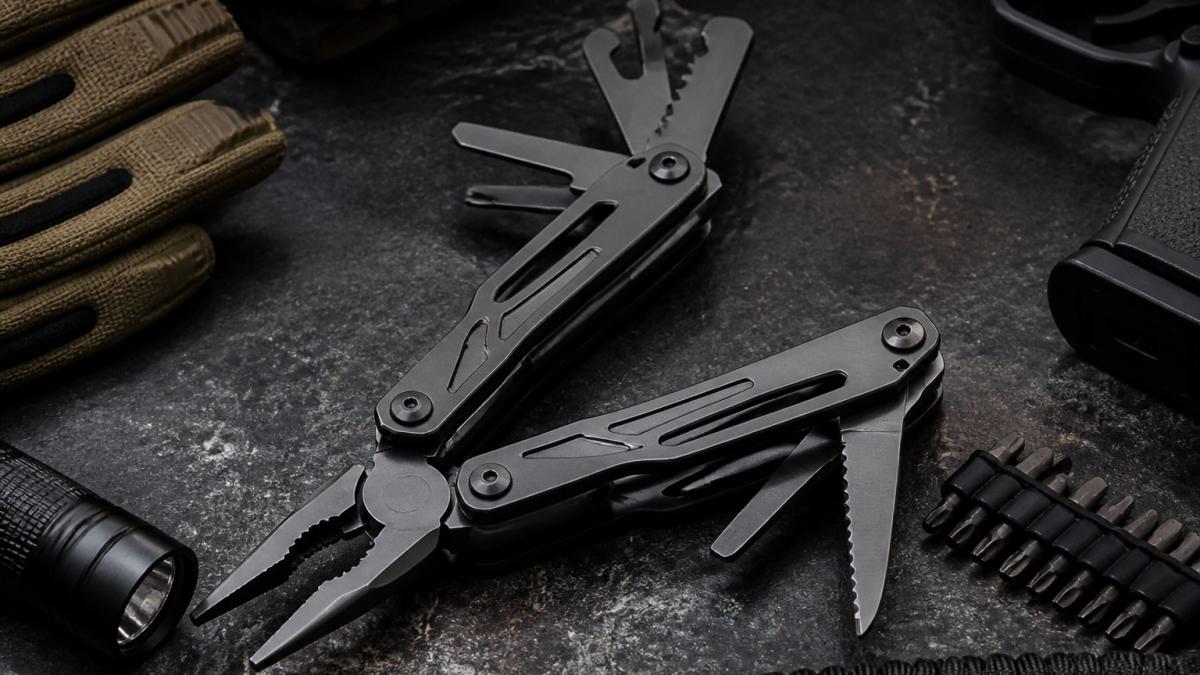
A tactical multi-tool is a compact, multi-functional hand tool built for hard-use conditions, rapid one-handed deployment, and field repair away from a bench, a design standard, not a marketing badge.
- One-handed opening so the blade or pliers deploy without putting down what you are holding
- A locking mechanism that holds under torque instead of folding on your fingers
- Build quality that survives pocket lint, rain, and repeated hard-use without rusting shut
Essential Features of a Tactical Multi-Tool
The features that matter most are the ones you touch every time: blade steel, locking mechanism, and pliers. Everything else adds weight.
Blade Steel and Locking Mechanism
Blade steel determines how long an edge lasts and how often you sharpen. Higher-carbon stainless holds an edge longer but resists corrosion slightly less; lower-carbon stainless resists rust better and dulls faster. For a tool that lives in a pocket or range bag, corrosion resistance usually wins.
Pliers, Wire Cutters, and Mechanical Advantage
Pliers are the most-used tool on any multi-tool, and the ones with the least mechanical advantage get used the least. Short handles mean less torque, so a compact tool struggles on stubborn nuts and stiff wire.
The Best Tactical Multi-Tool for EDC: What to Look For
The best tactical multi-tool for EDC is the one you will actually carry every day, usually the lightest tool that still covers your three most common tasks. Weight distribution and ergonomics decide that, not tool count.
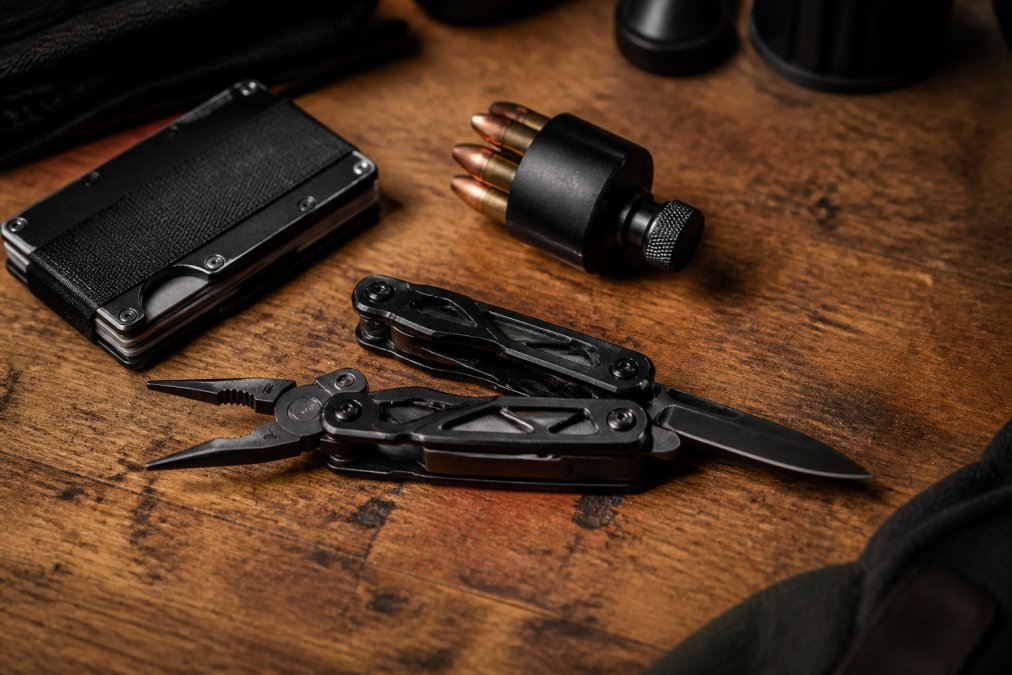
- Weight vs. functionality: every added tool adds grams you feel all day
- Ergonomics and hand fatigue: squared-off handles dig into your palm; rounded handles spread the load
- Deployment speed: one-handed opening matters when your other hand is occupied
- Versatility: a multi-functional tool with pliers, a blade, and a driver covers most field repair jobs
What Actually Separates EDC Tools From Range-Bag Tools
Most buyers shop by tool count and get it backwards. Tools carried daily share three measurable traits:
- Closed length under about 4 inches and weight under about 8 ounces. Past that, a tool prints in a front pocket and gets moved to a bag, a range tool, not an EDC tool.
- A pocket clip that sits deep and a body that is flat, not round. Round handles roll and print; flat handles with a deep-carry clip disappear against a thigh.
- A blade you can open with one hand while the other hand is holding something. This separates a tool you use from a tool you set down.
Ergonomics and Hand Fatigue: The Overlooked Spec
Most guides rank tools by feature list and never mention how the handle feels after twenty minutes of twisting, the spec that decides whether the tool stays in your pocket.
- Handle cross-section: squared, chamfered handles concentrate pressure on the palm during high-torque tasks; rounded handles spread that load.
- Handle length vs. hand size: short handles force you to grip near the pivot, reducing leverage. If the closed tool is shorter than your palm width, expect fatigue on stubborn fasteners.
- Texture and hotspots: aggressive jimping helps when your hands are dry and hurts when they are wet or gloved.
- Glove compatibility: test deployment with gloves on. A tool that opens easily bare-handed can be nearly impossible with a gloved thumb.
Carry Configuration Matters as Much as the Tool
A great tool in a bad carry setup gets left behind. Configurations that survive daily use:
- Belt sheath or pouch: best for full-size tools; keeps the tool off your pocket and accessible with either hand.
- Deep-carry pocket clip: best for compact tools; keeps the tool low-profile when seated.
- Lanyard and carabiner: useful for range bags and packs, less useful for a pants pocket because the tool swings.
How to Maintain a Tactical Multi-Tool
Maintenance takes minutes, but skipping it is the fastest way to ruin a good tool. Dirt, moisture, and dried lubricant kill folding tools.
Cleaning, Lubrication, and Corrosion Resistance
Clean the pivot and blade channel with a stiff brush and light solvent, then wipe dry. Never soak a folding tool and leave it, moisture trapped in the pivot starts the corrosion that welds a tool shut.
Multi-Tool vs. Dedicated Pocket Knife: Which Wins?
A dedicated pocket knife wins on blade performance; a multi-tool wins on versatility. If your only job is cutting, carry a knife. If it involves pliers, drivers, and wire, carry a multi-tool.
Bulletproof Speed-Loader TACTICAL Model →
| Factor | Tactical Multi-Tool | Dedicated Pocket Knife |
|---|---|---|
| Blade performance | Good, shorter blade | Excellent, longer blade |
| Versatility | Pliers, drivers, cutters | Cutting only |
| Weight | Heavier | Lighter |
| Deployment speed | Slower, more steps | Fast, one-handed |
| Best for | Field repair, hard-use tasks | Everyday cutting |
Legal and Travel Restrictions You Need to Know
Knife and multi-tool laws vary by state and city, and they change. What is legal at home may be restricted elsewhere, and carrying the wrong tool through a checkpoint can cost you the tool or worse.
A few rules apply almost everywhere:
- Federal buildings and courthouses restrict knives and tools regardless of local law
- Air travel prohibits carrying knives and multi-tools in the cabin; they must be in checked baggage
- State and local laws set their own limits on blade length, locking mechanisms, and one-handed opening
- School zones and certain venues add their own restrictions on top of state law
Long-Term Wear, Ergonomics, and Real-World Value
Long-term value comes down to three things: how the tool wears, how it feels after an hour of use, and whether it integrates with the rest of your gear. Most reviews stop at the unboxing; this covers what happens after a year of carry.
What Wears Out First, and When
Wear follows a predictable order on a folding multi-tool, telling you what to inspect and when to retire it.
- Pivot tension (first to go). A well-built tool holds tension for years; a cheap one develops side-to-side blade play within months. Rock the blade side to side; any perceptible play means the pivot has loosened.
- Lock engagement (second). A liner lock or frame lock may start engaging shallowly as the lock face wears. If it travels more than about half its available face before seating, it is on its way out.
- Plier jaw alignment (third). Jaws that no longer meet flush at the tips slip on wire and strip small fasteners. Close the pliers on paper and pull; a clean cut means the jaws are aligned.
- Cutter blades (fourth). Replaceable cutters are meant to be swapped. Non-replaceable cutters notched on hard wire signal use outside the tool's rating.
- Handle scales and fasteners (last). Loose screws, cracked scales, and stripped clip screws are the final stage. A drop of threadlocker and a torque check on the body screws extends the tool's life.
Ergonomics After the Honeymoon
Ergonomics decide whether you reach for the tool at all. Squared handles and sharp edges cause fatigue during hard-use tasks, and fatigue leads to mistakes; rounded handles and textured grips spread the pressure.
Integration With the Rest of Your Gear
Integration matters more than most buyers expect. A tool that clips to your belt, sits flat in a pocket, or attaches to a lanyard gets carried. One that does not gets left in a bag.
- A light. Most field repairs happen in low light. A compact handheld or headlamp in the same pouch as the tool means you are not searching for two things in the dark.
- A first aid kit. The blade and scissors on a multi-tool are the most-used items in a blowout kit. Keeping the tool and the kit in the same bag means one grab covers both.
- A fire starter. A ferro rod and a multi-tool's striker or blade edge pair naturally; the tool becomes the ignition source, not just the repair kit.
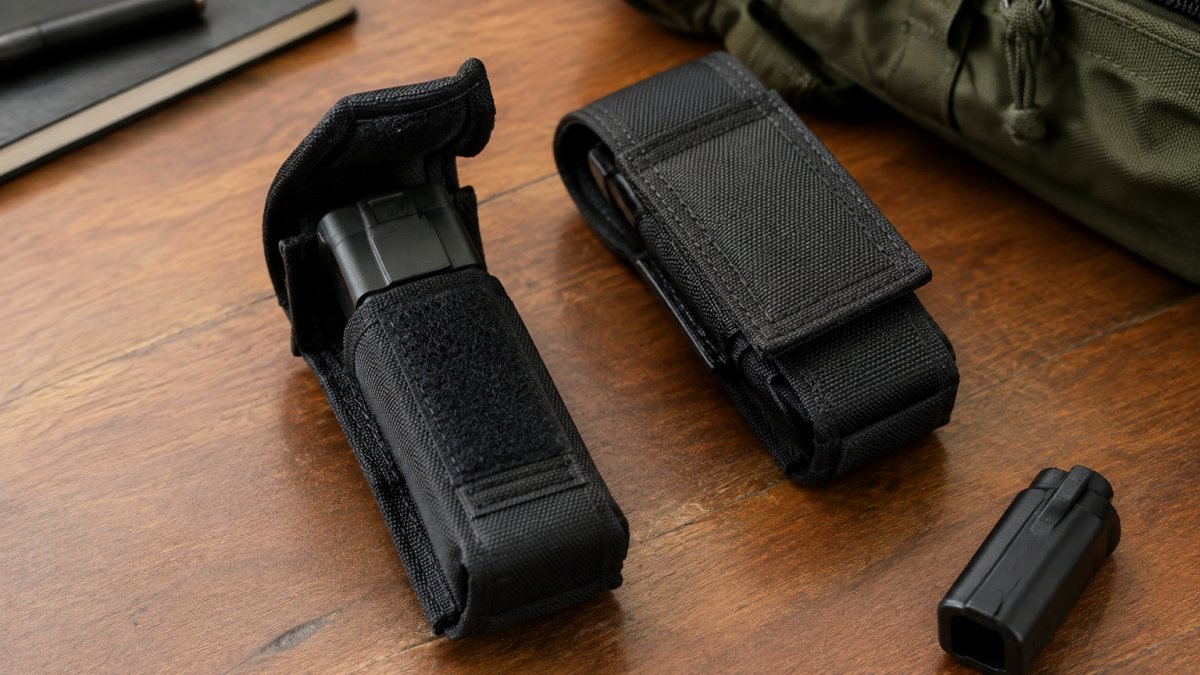
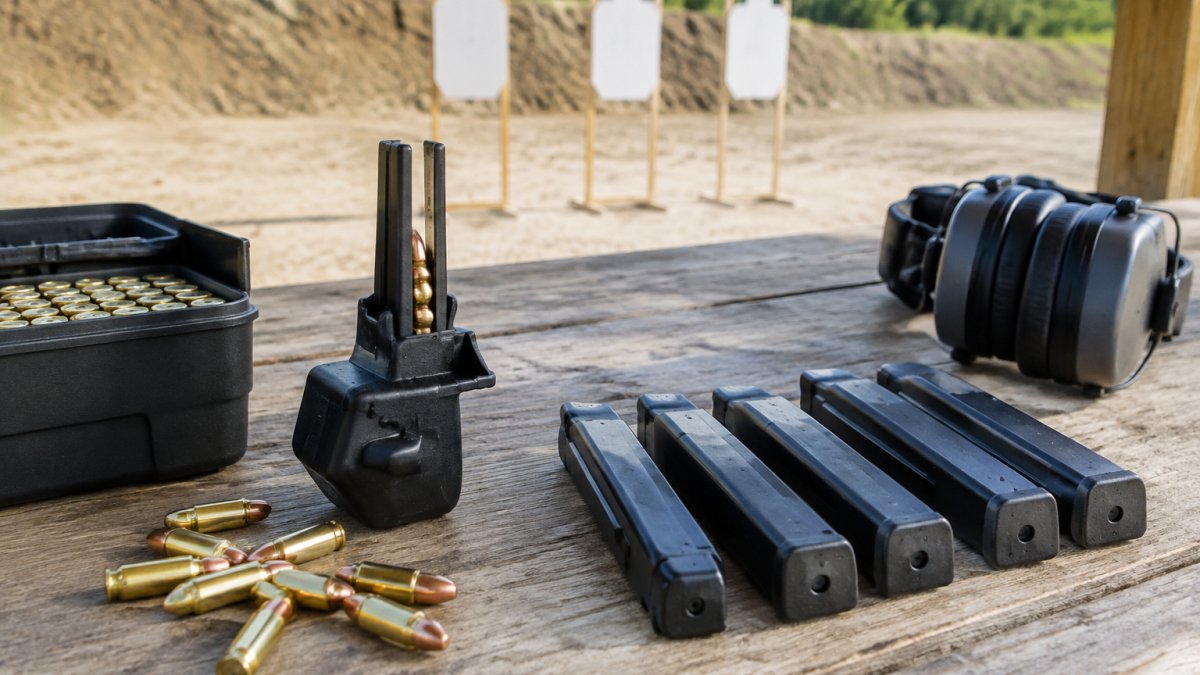
- A speed loader or magazine pouch. For shooters, the multi-tool's job is often clearing a malfunction or adjusting gear. Keeping it on the same belt as your reload gear means it is where your hands already are.
Frequently Asked Questions
What makes a multi-tool tactical?
A tactical multi-tool is built for hard-use and situational readiness. The differences come down to materials and design: stainless steel or anodized aluminum bodies, one-handed opening, a locking mechanism that holds under torque, and pliers with enough mechanical advantage to grip stubborn hardware. Many tactical models also include a pocket clip, sheath, or modular components for integration with other gear. A standard multi-tool can handle light tasks, but a tactical one is engineered for field repair and emergency preparedness when weight distribution and tool retention matter.
Are tactical multi-tools better than standard multi-tools?
Not always. A tactical multi-tool costs more because of better blade steel, tighter pivot tension, and corrosion resistance. If you only tighten a loose screw or open a package, a standard model is fine. The tactical advantage shows up in daily carry and outdoor use: you get stronger pliers, faster deployment speed, and a locking mechanism that will not fold under load. For anyone who treats a multi-tool as part of a loadout rather than a drawer tool, the upgrade pays off.
What features should you look for in a tactical multi-tool?
Start with the essentials: a locking blade, spring-loaded pliers, and wire cutters. Then check ergonomics. A tool that digs into your palm during hard-use will sit in a drawer. Look for textured handles, a pivot that holds tension, and one-handed opening for the blade. Weight matters too. A 10-ounce tool feels fine on a belt but heavy in a pocket. Finally, confirm tool retention. If the implements flop open, the tool is a hazard, not a helper.
Are tactical multi-tools legal to carry?
Legality depends on state and local law, not the tool's label. Some jurisdictions restrict blade length, locking mechanisms, or one-handed opening. Others classify certain multi-tools as weapons if the blade locks or exceeds a length limit. Before you carry, check your state statutes and any local ordinances. Air travel adds another layer: the TSA prohibits multi-tools with blades in carry-on bags. Pack them in checked luggage or leave them at home. A tactical multi-tool is only useful if you can legally carry it where you go.
How do tactical multi-tools compare to dedicated survival gear?
A tactical multi-tool consolidates several functions into one compact frame: pliers, knife, screwdrivers, and sometimes a saw or file. Dedicated survival gear outperforms it at each individual task. A fixed-blade knife cuts better than a multi-tool blade. Full-size pliers grip harder than compact ones. The multi-tool wins on versatility and weight. For everyday carry and field repair, one multi-tool replaces a small pouch of separate tools. For serious outdoor equipment or emergency preparedness, pair it with a fixed-blade knife and a dedicated fire starter.