 blog
blog
Alternatives to Plastic Magazine Speed Loaders
Table of Contents
- Why Plastic Magazine Speed Loaders Fall Short
- Metal Magazine Speed Loader Options
- Tactical Magazine Loader Benefits and Performance
- Durability and Long-Term Wear Comparison
- How to Choose a Magazine Loader for Your Needs
- Accessibility for Shooters with Hand Fatigue or Injuries
- Magazine Speed Loaders for Competitive and Professional Use
Last Updated: August 24, 2026
Why Plastic Magazine Speed Loaders Fall Short
Plastic magazine speed loaders have dominated the market for years because they're cheap and accessible. But accessibility doesn't equal reliability. The moment you put real stress on a plastic loader, whether that's loading high-capacity double-stack magazines or pushing through a competitive shooting match, the limitations become impossible to ignore.
The core problem is material failure under sustained use. Plastic flexes, cracks, and eventually breaks. Feed lips on magazines are precisely engineered components, and a loader that doesn't apply consistent pressure across the entire magazine follower can strip them. Thumb fatigue sets in faster with plastic loaders because the mechanical advantage is poor. You're fighting the spring tension with raw hand strength instead of using a tool designed for efficiency.
What most shooters don't realize until they've already bought a plastic loader is that durability and long-term wear compound the problem. A loader that works fine for casual range days becomes a liability during high-volume training or competitive use.
The cost argument for plastic falls apart when you factor in replacement cycles. A loader that lasts six months costs more over time than one that lasts five years. Add in the frustration of hand fatigue, the risk of magazine damage, and the unreliability when you need it most, and the value proposition of plastic disappears entirely.
Metal Magazine Speed Loader Options
Metal magazine speed loaders represent the practical alternative to plastic. They handle magazine capacity demands that plastic simply can't manage, particularly with double-stack ammunition configurations. The mechanical advantage comes from solid construction, aluminum, steel, or precision-engineered polymers combined with metal components, that distributes force evenly across the magazine follower without flexing.
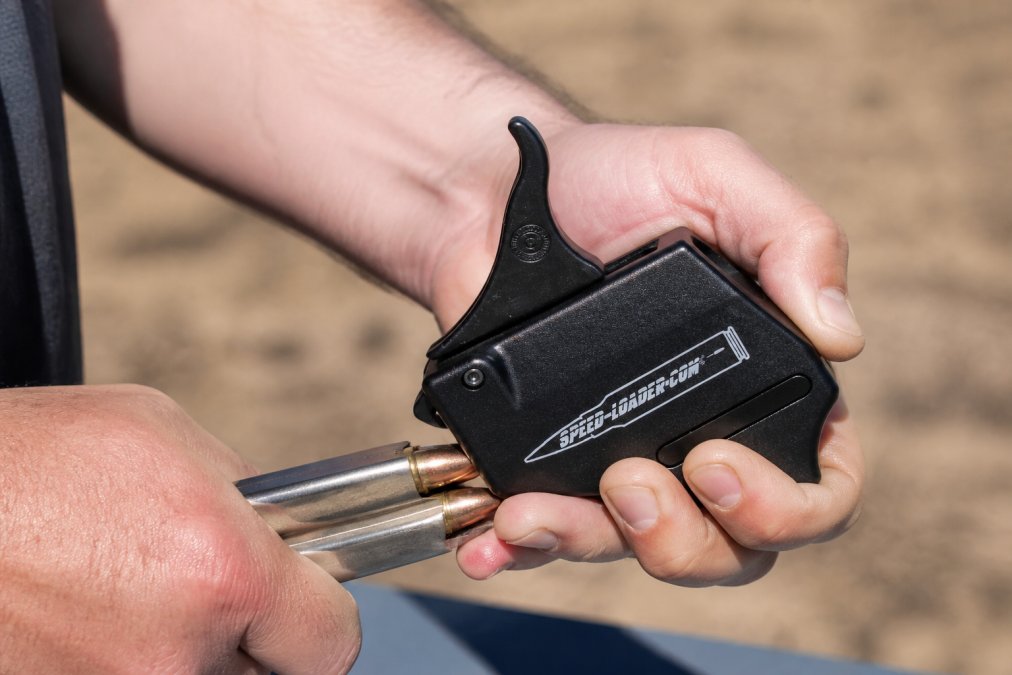
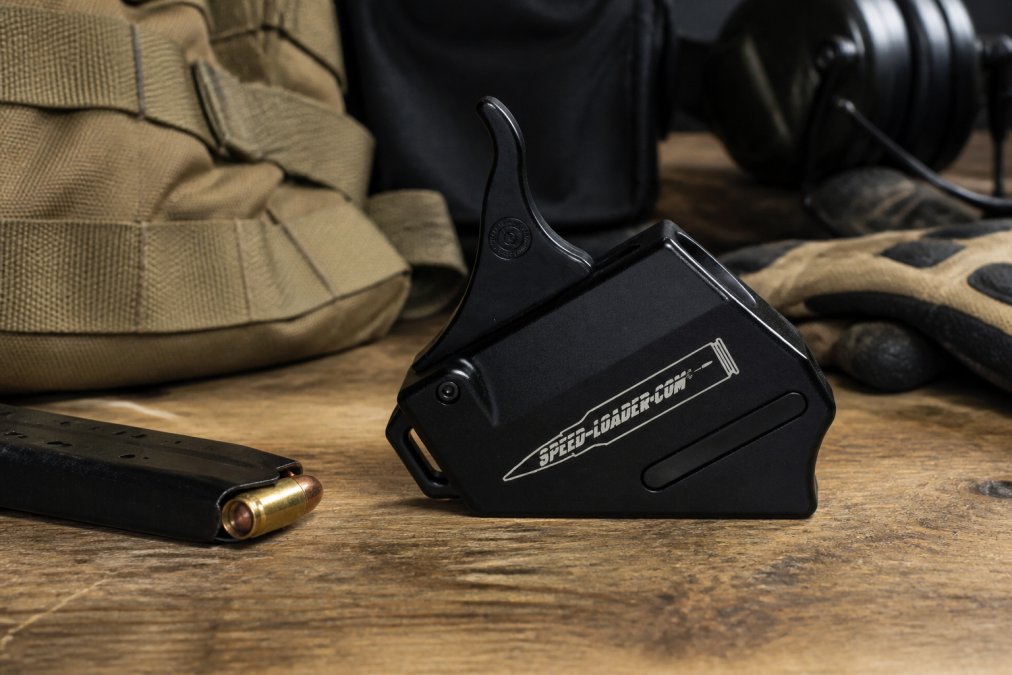
The Bulletproof Speed-Loader DELTA Model exemplifies what a high-performance metal loader should be. Built from solid 6160 aircraft aluminum with a lightweight polymer lever and button, it's engineered for both competitive shooters and professionals who demand reliability. The anodized or high-polished finish isn't just aesthetic, it protects against corrosion during extended storage or field use. Available in multiple color configurations, it accommodates various caliber requirements without sacrificing durability.

Metal loaders excel at handling spring tension. High-capacity magazines compress harder than single-stack variants, and a plastic loader simply lacks the structural rigidity to apply consistent pressure. Metal construction maintains its shape under load, meaning the loader performs identically on your first round and your thousandth. The feed lips stay protected because the force distribution is uniform.
Durability translates directly to cost efficiency. A quality metal loader represents a one-time investment. Unlike plastic alternatives that degrade through normal use, metal loaders improve with age, they become familiar to your hands, and their performance remains constant.
The ergonomic design of metal loaders also matters more than many realize. A well-designed metal loader positions your hand naturally, reducing the grip strength required to compress springs. This becomes critical during high-volume training sessions or competitive matches where hand fatigue can degrade performance. The mechanical advantage of metal construction means less effort per round loaded.
Tactical Magazine Loader Benefits and Performance
Tactical magazine loaders are engineered specifically for combat readiness and high-stress environments. The distinction between a standard metal loader and a tactical variant lies in performance under pressure, both literal pressure on magazine springs and the psychological pressure of high-stakes scenarios.
Tactical loaders prioritize speed and reliability in sequence. Competitive shooters and law enforcement professionals need to load magazines quickly without fumbling or second-guessing whether the round seated properly. A tactical magazine loader eliminates hesitation. The mechanical design is intuitive enough that muscle memory develops rapidly, allowing shooters to load without conscious thought during matches or training drills.
The performance advantage shows up in round count efficiency. Tactical loaders are optimized for magazine capacity, meaning they handle both single-stack and double-stack configurations without requiring different tools. This matters in real scenarios where you might be loading various firearms during a training session or operational deployment. One tool covers your entire loadout.
Reliability under sustained use defines tactical performance. These loaders are stress-tested for high-volume scenarios, hundreds of rounds loaded in succession. The materials and engineering ensure zero failure points. Feed lips remain protected throughout the loading process, and the loader won't jam or bind even when you're moving quickly or under fatigue.
The psychological benefit shouldn't be overlooked. Knowing your equipment is combat-ready eliminates doubt. Professional shooters and law enforcement personnel choose tactical loaders because they've eliminated the variable of equipment failure from their decision-making process. You can focus on technique, target acquisition, and performance instead of worrying whether your loader will hold up.
Durability and Long-Term Wear Comparison
Durability separates tools from toys. A plastic loader might perform acceptably for the first fifty magazine loads. After five hundred loads, wear becomes visible (peer-reviewed research). After two thousand loads, most plastic loaders show significant degradation, cracks in the polymer, worn contact points, and reduced spring tension application.
Metal loaders follow a different trajectory. The first thousand loads establish a break-in period where the loader settles into its final form. After that, performance plateaus and remains stable for the life of the tool. The materials don't degrade under normal use, they simply age.
The wear patterns tell the story. Plastic loaders show visible stress marks, discoloration, and material fatigue. Metal loaders develop a patina or polish that actually improves their appearance.
Environmental factors accelerate plastic degradation. UV exposure, temperature fluctuations, and humidity all affect polymer durability. A plastic loader left in a range bag over a season will show noticeable wear. Metal loaders resist environmental stress. Aluminum and steel maintain their integrity regardless of storage conditions. This matters for shooters who store gear between seasons or transport equipment across varied climates.
The cost-per-use calculation becomes obvious over time. A plastic loader costing thirty dollars that lasts six months costs sixty dollars per year (the FTC). A metal loader costing significantly more but lasting five years costs a fraction of that annually. When you factor in the inconvenience of replacement and the risk of magazine damage from a failing loader, the economic argument for metal becomes overwhelming.
Maintenance requirements differ substantially. Plastic loaders require careful handling and storage to extend their lifespan. Metal loaders require virtually no maintenance. An occasional wipe-down keeps them clean, but they don't degrade from neglect. This simplicity appeals to shooters who prioritize functionality over fussy gear care.
How to Choose a Magazine Loader for Your Needs
Selecting the right magazine loader depends on your shooting discipline and usage frequency. Casual range shooters have different requirements than competitive athletes or law enforcement professionals. Understanding your actual use case prevents overspending on features you don't need or, conversely, buying inadequate equipment that fails when it matters.
Start with caliber compatibility. Your loader must handle the magazine capacity you actually use. A loader designed for single-stack magazines won't efficiently load double-stack configurations. If you shoot multiple calibers, verify that your loader handles the spring tension across all your magazine types. Universal claims are common but often overstated, test compatibility before committing.
Hand size and grip strength matter more than manufacturers acknowledge. Shooters with smaller hands or reduced grip strength need loaders with superior mechanical advantage. A poorly designed loader that requires excessive hand strength becomes a liability rather than a tool. The Bulletproof Speed-Loader DELTA Model, for instance, accommodates various hand sizes through its ergonomic design and aluminum construction that provides use without requiring crushing grip strength.
Usage frequency determines durability requirements. If you shoot once monthly at casual range sessions, a mid-range loader serves adequately. If you're training multiple times weekly or competing, invest in a tactical-grade loader designed for high-volume use. The performance difference becomes apparent during extended shooting sessions where hand fatigue with an inferior loader becomes noticeable.
Budget considerations should factor durability into the calculation. A cheaper plastic loader might seem economical initially, but replacement costs and potential magazine damage add up quickly. A quality metal loader represents a one-time investment that outlasts multiple plastic alternatives. Calculate the true cost of ownership over five years rather than focusing on the sticker price.
Portability and storage matter for daily carry or range bag integration. Some loaders are compact enough for concealed carry gear, while others require dedicated space. If you're a competitive shooter who transports gear frequently, a compact tactical loader that doesn't consume significant space offers practical advantages. If you're primarily a bench shooter at a home range, size matters less.
Test before committing if possible. Many retailers allow hands-on evaluation. Feel how the loader handles your magazines, assess the mechanical advantage, and gauge whether the ergonomic design matches your hand geometry. This fifteen-minute evaluation prevents purchasing mistakes that cost money and frustration.
Accessibility for Shooters with Hand Fatigue or Injuries
Hand fatigue during shooting sessions degrades performance. A loader that requires excessive grip strength compounds the problem by adding fatigue before you even begin shooting. For shooters with arthritis, previous hand injuries, or reduced grip strength, loader design becomes a performance-critical factor.
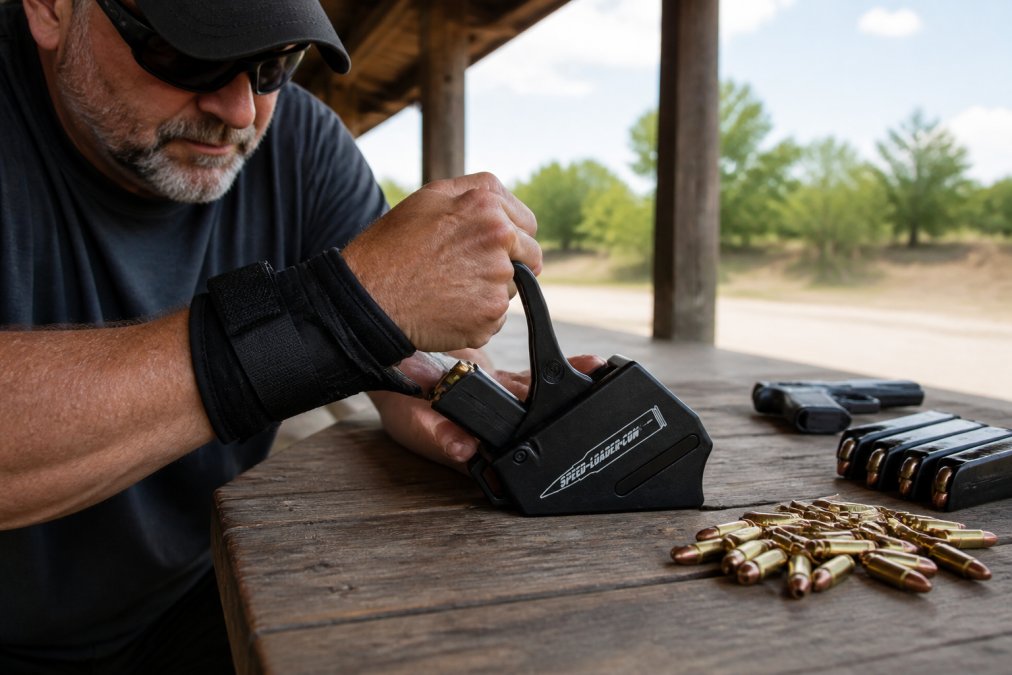
The mechanical advantage built into quality loaders directly addresses accessibility. A well-designed loader compresses magazine springs through use rather than raw hand strength. This distinction matters enormously for shooters managing hand conditions. The loader does the work; your hands provide direction and control.
Ergonomic design features reduce fatigue significantly. Handles positioned to match natural hand geometry, buttons that require minimal pressure, and levers that distribute force across your palm rather than concentrating it on fingertips, these design elements transform the loading experience for shooters with accessibility needs. Poorly designed loaders force awkward hand positions that accelerate fatigue and pain.
Material selection impacts accessibility too. Lighter loaders reduce the overall fatigue burden during extended loading sessions. Aluminum construction provides strength without excessive weight. Shooters with hand fatigue report that switching from heavier loaders to lightweight alternatives noticeably reduces pain and extends their comfortable loading duration.
Competitive shooters with hand conditions have discovered that tactical loaders engineered for speed actually improve accessibility. The intuitive mechanical design means less conscious effort required per magazine loaded. You develop muscle memory that allows loading without maximum hand engagement. This paradoxically makes loaders designed for professional use more accessible for shooters managing hand challenges.
Shooting organizations increasingly recognize accessibility in equipment design. Loaders that accommodate shooters with various physical capabilities represent progress in making the sport inclusive. Manufacturers responding to this demand have created options that didn't exist five years ago, loaders specifically engineered for reduced grip strength and hand fatigue mitigation.
Magazine Speed Loaders for Competitive and Professional Use
Competitive shooting demands equipment that performs consistently under pressure. A magazine speed loader that works adequately for casual shooting becomes a liability in match environments where every second counts and equipment failure isn't an option. Professional shooters and law enforcement personnel have specific requirements that separate tactical-grade loaders from consumer alternatives.
Speed matters in competitive contexts. A loader that reduces loading time by even a few seconds per magazine accumulates significant time savings across a full match. More importantly, a faster loader means less time standing at the loading station, allowing more focus on preparation and mental readiness. Competitive shooters optimize every variable, and loader efficiency contributes measurably.
Reliability under high-volume use is non-negotiable. Professional shooters load hundreds of magazines during training cycles. A loader that fails mid-session creates logistical nightmares and potentially compromises training quality. Tactical-grade loaders are stress-tested for this volume. They're designed to load magazine after magazine without degradation or failure points.
Magazine compatibility across platforms matters for professionals managing multiple firearms. Law enforcement and military personnel might carry different calibers or platforms depending on assignment. A loader that handles various magazine types and spring tensions eliminates the need for multiple tools. This consolidation simplifies gear management and ensures consistent performance across your entire loadout.
The psychological component of professional-grade equipment shouldn't be underestimated. Knowing your loader is engineered to professional standards eliminates doubt during critical moments. Competitive shooters report that using professional-grade equipment improves confidence, which translates to better performance. This mental advantage compounds across multiple matches and training sessions.
Training efficiency improves with equipment designed for professional use. Loaders that load quickly and reliably allow instructors and athletes to focus on shooting technique rather than equipment management. This efficiency multiplies when training large groups, faster loading means more time for actual shooting practice.
Choosing alternatives to plastic magazine speed loaders means investing in tools engineered for reliability and durability. The Bulletproof Speed-Loader DELTA Model represents the standard for shooters who demand performance without compromise. Built from aircraft-grade aluminum with customizable finishes, it handles high-capacity magazines, accommodates various calibers, and delivers the mechanical advantage that reduces hand fatigue while protecting feed lips. For shooters serious about efficiency and equipment reliability, the Bulletproof Speed-Loader DELTA Model eliminates the variables that plastic loaders introduce. Add the Bulletproof Speed-Loader DELTA Model to your loadout and experience the difference that professional-grade engineering delivers to your range sessions and competitive matches.
=== FAQ ANSWERS (audit these too, same rules) ===
[1] Q: Are metal magazine speed loaders more durable than plastic? A: Yes. Metal magazine speed loaders, particularly those made from aircraft aluminum or machined steel, withstand repeated use and heavy-duty training without cracking or warping. Plastic loaders degrade from spring tension and friction over time, especially under the high round counts typical of competitive shooting or law enforcement training (peer-reviewed research). A quality metal loader will outlast multiple plastic replacements, making it a better long-term investment for serious shooters.
[2] Q: What are the main benefits of using a tactical magazine loader? A: Tactical magazine loaders reduce thumb fatigue significantly by providing mechanical advantage through ergonomic lever design and proper grip positioning. They protect feed lips from damage by controlling spring tension and magazine follower alignment during loading. For competitive shooters and professionals, tactical loaders increase reloading efficiency during range days and training, allowing faster magazine changes without sacrificing precision or risking ammunition management errors.
[3] Q: How do I choose a magazine loader that works with my firearm? A: First, identify your magazine type: single-stack or double-stack, and your caliber (.9mm, .45 ACP, etc.). Universal loaders work with most magazine capacities, but caliber-specific models provide better spring tension control for high-capacity magazines. Consider your hand strength and grip comfort, especially if you shoot frequently. Test the ergonomic design and mechanical advantage before committing. For concealed carry, prioritize compact design; for range use, focus on durability and loading speed.
[4] Q: Can a universal speed loader handle high-capacity magazines and heavy spring tension? A: Most universal plastic loaders struggle with high-capacity double-stack magazines because they lack sufficient mechanical advantage to compress heavy-duty springs. Metal loaders, especially those with reinforced lever mechanisms and precision engineering, handle high-capacity magazines reliably. If you shoot .45 ACP or other calibers with demanding spring tension, a caliber-specific or heavy-duty metal loader is recommended over a basic universal plastic option.
Frequently Asked Questions
Are metal magazine speed loaders more durable than plastic?
Yes. Metal magazine speed loaders, particularly those made from aircraft aluminum or machined steel, withstand repeated use and heavy-duty training without cracking or warping. Plastic loaders degrade from spring tension and friction over time, especially under the high round counts typical of competitive shooting or law enforcement training. A quality metal loader will outlast multiple plastic replacements, making it a better long-term investment for serious shooters.
What are the main benefits of using a tactical magazine loader?
Tactical magazine loaders reduce thumb fatigue significantly by providing mechanical advantage through ergonomic lever design and proper grip positioning. They protect feed lips from damage by controlling spring tension and magazine follower alignment during loading. For competitive shooters and professionals, tactical loaders increase reloading efficiency during range days and training, allowing faster magazine changes without sacrificing precision or risking ammunition management errors.
How do I choose a magazine loader that works with my firearm?
First, identify your magazine type: single-stack or double-stack, and your caliber (.9mm, .45 ACP, etc.). Universal loaders work with most magazine capacities, but caliber-specific models provide better spring tension control for high-capacity magazines. Consider your hand strength and grip comfort, especially if you shoot frequently. Test the ergonomic design and mechanical advantage before committing. For concealed carry, prioritize compact design; for range use, focus on durability and loading speed.
Can a universal speed loader handle high-capacity magazines and heavy spring tension?
Most universal plastic loaders struggle with high-capacity double-stack magazines because they lack sufficient mechanical advantage to compress heavy-duty springs. Metal loaders, especially those with reinforced lever mechanisms and precision engineering, handle high-capacity magazines reliably. If you shoot .45 ACP or other calibers with demanding spring tension, a caliber-specific or heavy-duty metal loader is recommended over a basic universal plastic option.
This article was written using GrandRanker
Frequently Asked Questions
Are metal magazine speed loaders more durable than plastic?
Yes. Metal magazine speed loaders, particularly those made from aircraft aluminum or machined steel, withstand repeated use and heavy-duty training without cracking or warping. Plastic loaders degrade from spring tension and friction over time, especially under the high round counts typical of competitive shooting or law enforcement training. A quality metal loader will outlast multiple plastic replacements, making it a better long-term investment for serious shooters.
What are the main benefits of using a tactical magazine loader?
Tactical magazine loaders reduce thumb fatigue significantly by providing mechanical advantage through ergonomic lever design and proper grip positioning. They protect feed lips from damage by controlling spring tension and magazine follower alignment during loading. For competitive shooters and professionals, tactical loaders increase reloading efficiency during range days and training, allowing faster magazine changes without sacrificing precision or risking ammunition management errors.
How do I choose a magazine loader that works with my firearm?
First, identify your magazine type: single-stack or double-stack, and your caliber (.9mm, .45 ACP, etc.). Universal loaders work with most magazine capacities, but caliber-specific models provide better spring tension control for high-capacity magazines. Consider your hand strength and grip comfort, especially if you shoot frequently. Test the ergonomic design and mechanical advantage before committing. For concealed carry, prioritize compact design; for range use, focus on durability and loading speed.
Can a universal speed loader handle high-capacity magazines and heavy spring tension?
Most universal plastic loaders struggle with high-capacity double-stack magazines because they lack sufficient mechanical advantage to compress heavy-duty springs. Metal loaders, especially those with reinforced lever mechanisms and precision engineering, handle high-capacity magazines reliably. If you shoot .45 ACP or other calibers with demanding spring tension, a caliber-specific or heavy-duty metal loader is recommended over a basic universal plastic option.