 blog
Best Cleaning Kits for Pistol Speedloaders
Table of Contents
- Why Speedloader Maintenance Matters
- What Makes a Pistol Cleaning Kit Effective for Speedloaders
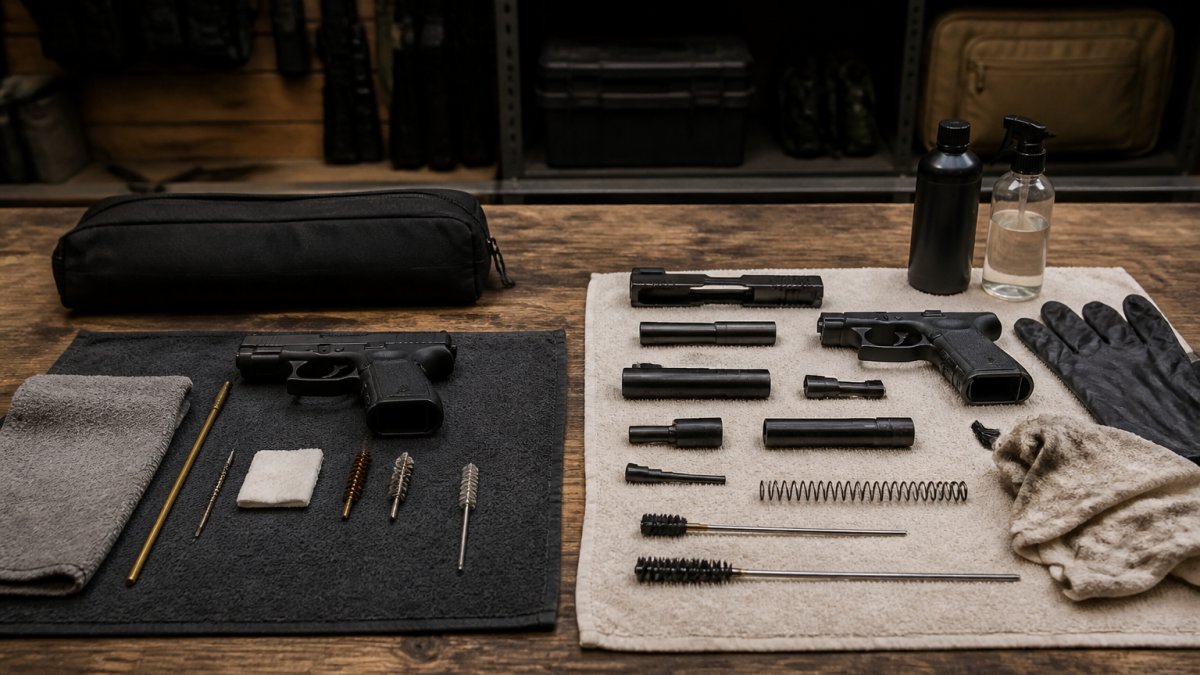
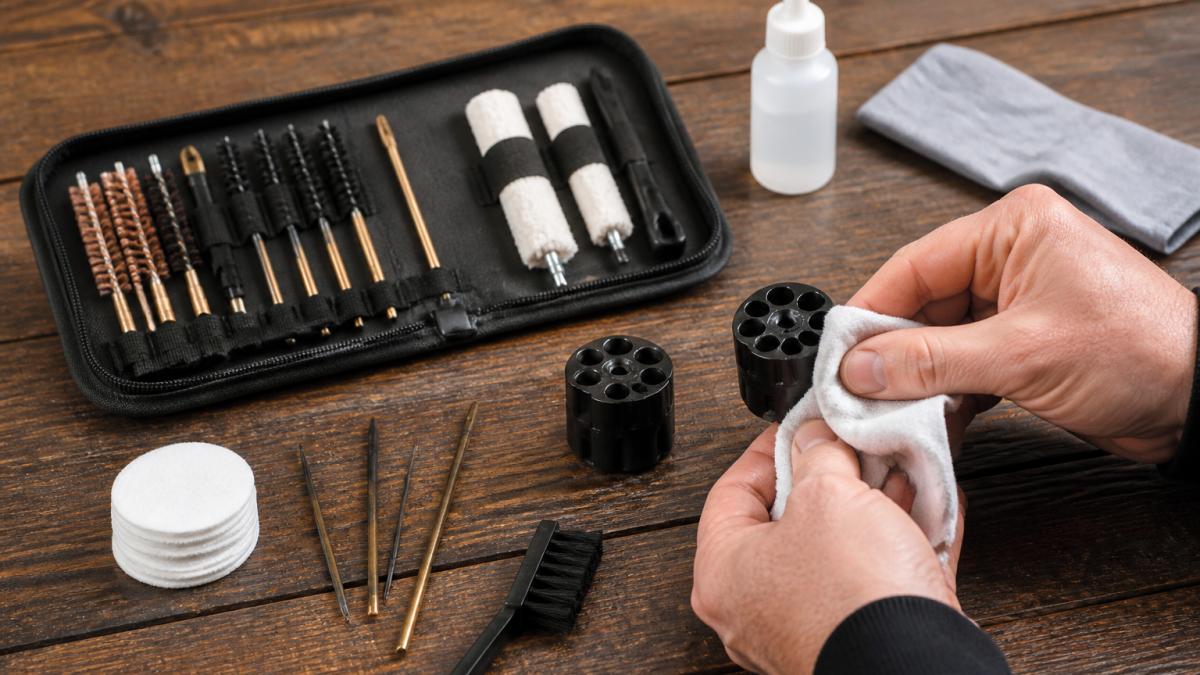
- Essential Gun Cleaning Tools for Speedloader Care
- How to Clean a Pistol Speedloader: Step-by-Step
- Caliber Compatibility and Material-Safe Cleaning
- Cleaning Frequency and Maintenance Workflow
- Recommended Kit for Speedloader Owners
- Common Mistakes to Avoid
- Frequently Asked Questions
Last Updated: October 8, 2026
Why Speedloader Maintenance Matters
A pistol speedloader is only as reliable as the care you give it. When you're at the range or in a critical moment, a speedloader that doesn't function smoothly can cost you valuable seconds, or worse, compromise your safety. Proper maintenance ensures your speedloader feeds rounds consistently, protects the polymer or metal materials from degradation, and extends the life of your investment.
Most shooters overlook speedloader maintenance entirely. They load magazines, they clean their firearm, but the speedloader sits in a range bag collecting dust and carbon fouling. This is where problems start. The solution isn't complicated, it requires the best cleaning kits for pistol speedloaders and a basic understanding of what needs attention.
Proper maintenance directly impacts performance. Shooters who clean their speedloaders regularly report smoother operation, faster loading cycles, and fewer malfunctions. The investment in a good pistol cleaning kit specifically designed for speedloader maintenance pays dividends in reliability and consistency.
What Makes a Pistol Cleaning Kit Effective for Speedloaders
Not every general-purpose gun cleaning kit works well for speedloaders. A speedloader's feed mechanism is more delicate and precise than a firearm's barrel or chamber. You need tools that can reach tight spaces, remove stubborn carbon without scratching polymer or metal surfaces, and work efficiently on the internal springs and followers.
An effective cleaning kit for pistol speedloaders includes several key components. First, it needs brushes in multiple sizes, smaller brushes for the feed slots and internal cavities where rounds sit, medium brushes for the main body, and soft-bristle options to avoid damaging polymer materials.
Among the best cleaning kits for pistol speedloaders, those that balance portability with functionality stand out. You don't need a massive gun cleaning kit with 50 pieces. A focused set of 10-15 items, brushes, patches, rods, solvents, and oils, is sufficient for thorough speedloader maintenance.
Essential Gun Cleaning Tools for Speedloader Care
Brushes and Bristle Types
Brushes are the foundation of speedloader maintenance. Different bristle materials serve different purposes, and having the right variety prevents damage while ensuring thorough cleaning.
Brass brushes are the most aggressive option. They're durable and effective at removing stubborn carbon buildup, but they can scratch polymer speedloaders if used too hard. Use brass brushes with light pressure on the exterior surfaces and feed mechanism. Nylon brushes are gentler and ideal for polymer bodies; they clean effectively without risk of surface damage. Cotton swabs work well for reaching tight recesses and removing powder residue from small cavities where larger brushes won't fit.
For speedloader-specific maintenance, you'll want at least three brush sizes: a small brush (roughly 6mm diameter) for feed slots, a medium brush (8-10mm) for the main body, and a detail brush for internal components. The bristle length matters too, shorter bristles (half-inch to three-quarter inch) give you better control when working inside the speedloader's mechanism.
Cleaning Rods, Patches, and Jags
Cleaning rods and jags work together to apply solvent and remove debris from internal surfaces. A slotted tip jag holds patches; you thread a patch through the slot, then run the rod and jag through the speedloader's feed channel to wipe away residue.
Choose rods made from aluminum or coated steel, they're lightweight and won't scratch polymer or metal. The rod diameter should match your speedloader's internal dimensions; a rod that's too loose won't seat properly, and one that's too tight can get stuck. Most speedloaders work with rods in the 3/32-inch to 1/8-inch range.
Patches come in various materials. Cotton patches are standard and work well for general cleaning. Microfiber patches absorb more solvent and leave fewer fibers behind. Always use patches that match your speedloader's caliber and size; oversized patches create unnecessary friction and can tear.
Solvents and Lubricants
Solvents dissolve carbon fouling and powder residue. Quality gun solvents are formulated to break down these deposits without degrading polymer or damaging finishes. Apply solvent with a brush or patch, let it soak for a few minutes, then wipe away the loosened debris.
Lubricants protect against corrosion and reduce friction in the feed mechanism. A light gun oil applied sparingly keeps springs moving smoothly and prevents rust on metal components. Don't over-lubricate, excess oil attracts dust and can gum up the mechanism. A thin coat is all you need.
For speedloader maintenance, choose solvents and oils specifically formulated for firearms. General-purpose cleaners or automotive oils can leave residue or degrade polymer materials over time.
How to Clean a Pistol Speedloader: Step-by-Step
Pre-Cleaning Inspection and Disassembly
Before you start cleaning, inspect your speedloader for visible damage. Check the polymer body for cracks, the spring for corrosion, and the feed lips for bending. If damage is present, cleaning won't fix structural problems, you may need a replacement.
Most speedloaders disassemble into three basic parts: the body, the spring, and the follower. Refer to your speedloader's manual for disassembly instructions; different models have slightly different designs. Gently separate these components. Don't force anything, if a part resists, you may be disassembling incorrectly.
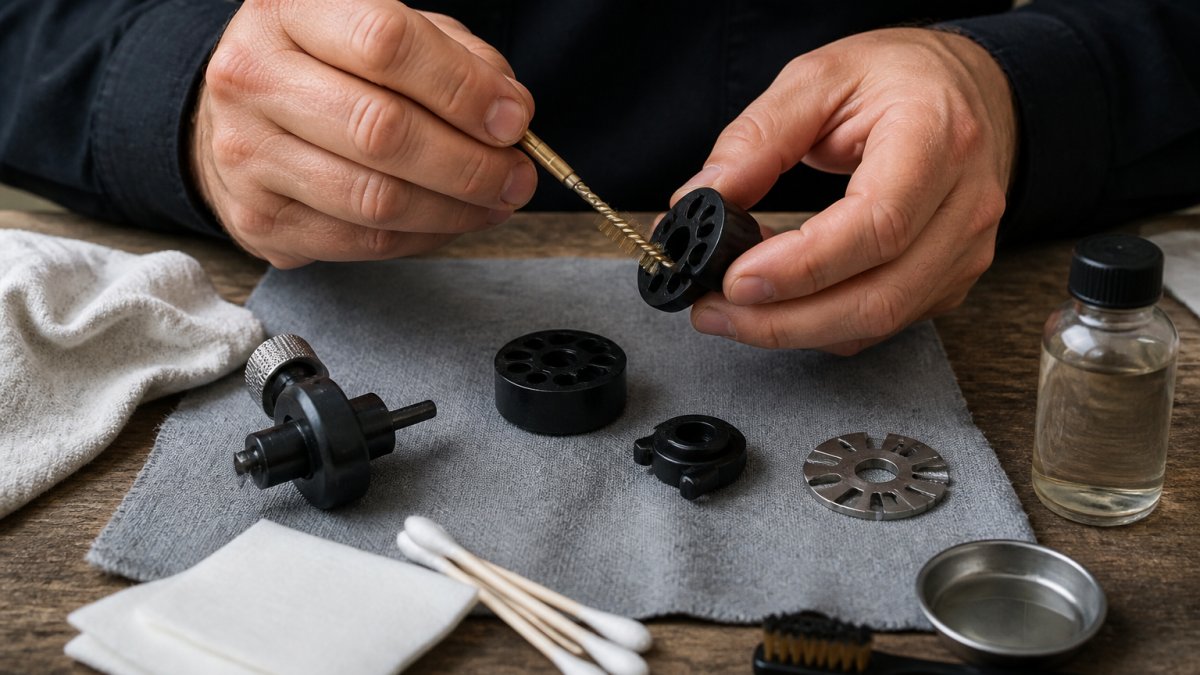
Removing Powder Residue and Carbon Fouling
Start by using a dry brush to remove loose carbon and powder residue. A brass brush works well for metal components; use a nylon brush on polymer parts. Brush the interior feed slots, the spring, and the follower thoroughly.
Apply solvent to a patch or brush and work it into the areas where residue accumulates, the feed mechanism, around the spring, and inside the body cavity. Let the solvent sit for 2-3 minutes to break down stubborn deposits. Use a small brush to scrub gently, then wipe away the dissolved residue with a clean patch.
For carbon fouling in tight recesses, use a cotton swab dampened with solvent. Swabs reach areas that brushes can't access. Repeat this process until patches come away clean, indicating no more residue is present.
After solvent cleaning, wipe all components dry with a clean cloth. Any remaining solvent can evaporate and leave a film that attracts dust.
Bulletproof Pistol Speed Loader →
Function Check After Cleaning
Once components are dry, reassemble your speedloader carefully. Make sure the spring sits properly and the follower moves freely. The spring should have tension, it should push the follower up with a firm but smooth motion.
Load a few rounds into the speedloader and test the feed mechanism. Press down on the loader's body as if loading into a magazine. The rounds should feed smoothly without binding or sticking. If you feel resistance or hear grinding, disassemble again and check for remaining debris or misaligned components.
Test the speedloader with your actual magazines to ensure compatibility. Some speedloaders work with most major brands, but caliber-specific models or tight tolerances may require specific magazine models. A proper function check prevents failures when you need reliability most.
Caliber Compatibility and Material-Safe Cleaning
Different calibers require different speedloader designs. When selecting a cleaning kit, verify that your tools match your speedloader's caliber.
Material-safe cleaning is critical. Polymer speedloaders can degrade if exposed to harsh solvents or abrasive brushes. Always use soft-bristle brushes on polymer bodies and avoid solvents with high alcohol content, which can cause cracking over time. Metal components are more durable but can rust if not dried properly after cleaning.
Check your speedloader's manual for recommended cleaning products. Manufacturers often specify which solvents and oils are safe for their materials. Following these guidelines prevents accidental damage during maintenance.
Cleaning Frequency and Maintenance Workflow
How often should you clean your speedloader? A reasonable schedule depends on usage. Recreational shooters who visit the range monthly should clean their speedloaders every 2-3 months or after every 500-1,000 rounds fired. Competitive shooters or those training frequently may benefit from monthly cleaning.
A practical workflow keeps maintenance simple. After each range session, wipe your speedloader with a dry cloth to remove surface dust. Once a month (or every few range trips), do a thorough cleaning using your pistol cleaning kit. Disassemble, brush, apply solvent, wipe dry, and reassemble. This routine takes 10-15 minutes and prevents buildup of stubborn deposits.
Store your speedloader in a dry location. A small zippered pouch or compartment in your range bag works well. Keep it away from moisture and extreme temperatures, which can degrade materials and cause corrosion.
Recommended Kit for Speedloader Owners
The Bulletproof Pistol Speed Loader at $34.95 is engineered with the same precision as the loading mechanism it protects. It's built from superior polymer materials designed to withstand repeated use without degradation.

For cleaning this speedloader (or any pistol speedloader), you need a focused kit that includes brushes in multiple sizes, patches, a cleaning rod with jag, quality solvent, and gun oil. A universal gun cleaning kit works, but speedloader-specific attention matters more than having every possible tool.
| Component | Purpose | Frequency of Use |
|---|---|---|
| Small brass or nylon brush | Feed slot and interior cleaning | Every cleaning session |
| Medium brush | Body and exterior surfaces | Every cleaning session |
| Cotton swabs | Tight recesses and detail work | As needed |
| Cleaning rod and jag | Applying solvent and wiping | Every thorough cleaning |
| Gun solvent | Dissolving carbon and residue | Every thorough cleaning |
| Gun oil | Lubrication and corrosion protection | Every thorough cleaning |
Bulletproof Speed Loaders backs every product with a Legendary Lifetime Hassle-Free RRR warranty, Repair, Replace, or Refund. If your speedloader ever fails or you're unsatisfied, contact our US-based customer support 24/7 for a replacement or full refund, no questions asked. That commitment means you can invest in quality gear with confidence.
Common Mistakes to Avoid
One frequent error is using general-purpose cleaners not designed for firearms. Household cleaners or automotive degreasers can leave residue, damage polymer, or corrode metal. Always use solvents formulated for gun cleaning.
Over-lubrication is another mistake. Excess oil attracts dust and powder residue, creating a paste that's harder to clean out later. A thin coat of oil is sufficient; wipe away any excess with a clean cloth.
Forcing disassembly or reassembly damages springs and followers. If a component resists, stop and consult your speedloader's manual. Forcing it can bend the spring or crack the polymer body.
Neglecting to dry components thoroughly after solvent cleaning leaves moisture that promotes rust. Always wipe dry with a clean cloth and let components air-dry for a few minutes before reassembling.
Finally, using brushes that are too large or too stiff for your speedloader's design can scratch polymer or damage the feed mechanism.
Speedloader reliability depends on consistent maintenance using the right tools. The Bulletproof Pistol Speed Loader is built to perform under demanding conditions, give it the maintenance it deserves, and it will deliver the fast, reliable loading you expect when it matters most. Add to cart and experience the difference precision engineering makes.
Frequently Asked Questions
Can you use a standard gun cleaning kit to clean a pistol speedloader?
Yes, but with caveats. A standard pistol cleaning kit contains many tools you'll need, brushes, patches, solvents, and oils. However, speedloaders have tight mechanical tolerances and feed lips that require careful handling. Avoid brass brushes on polymer components, and use nylon brushes instead. Focus on removing powder residue from the loading mechanism without forcing tools into tight spaces that could damage feed lips or the spring assembly.
What tools should a pistol speedloader cleaning kit include?
Essential tools are nylon brushes (for polymer parts), small brass brushes (for metal recesses), a cleaning rod with jags for patches, cotton swabs for tight areas, cleaning cloth, and a quality solvent. Include a light gun oil for lubrication after cleaning. Skip abrasive materials and steel wool. A compact case keeps everything organized and portable for range use. The Bulletproof Pistol Speed Loader pairs well with a kit containing these basics.
How often should I clean my pistol speedloader?
Clean after every shooting session if you fire 100+ rounds. Powder residue and carbon fouling accumulate quickly and can affect how smoothly rounds feed into the magazine. If you shoot casually (under 50 rounds per session), monthly cleaning is sufficient. Law enforcement and competitive shooters using speedloaders heavily should clean after each training day. Always perform a function check after cleaning to confirm the loading mechanism operates smoothly.
What's the difference between a universal cleaning kit and a caliber-specific one for speedloaders?
Universal kits work across 9mm, .40 S&W, .45 ACP, and other common calibers, making them practical for shooters with multiple firearms. Caliber-specific kits are optimized for one cartridge's dimensions and spring pressures. For speedloader maintenance, a universal kit is usually sufficient since you're cleaning the loader itself, not the firearm. Focus on tool sizes that fit your speedloader's mechanical components rather than the caliber it loads.