 how-to
How to Prevent Magazine Feed Lip Damage
Table of Contents
- Understanding Magazine Feed Lip Function and Why Protection Matters
- Common Causes of Feed Lip Damage
- Signs of Worn Out Magazine Springs and Feed Lip Deterioration
- How to Inspect Your Magazines for Feed Lip Defects
- Magazine Feed Lip Tuning and Adjustment Techniques
- How to Load 9mm Magazines Faster Without Damaging Feed Lips
- Storage and Preventative Maintenance to Protect Your Magazines
- When to Repair Versus Replace a Damaged Magazine
Understanding Magazine Feed Lip Function and Why Protection Matters
Magazine feed lips are the two small metal or polymer protrusions at the top of a magazine that guide rounds into the chamber. They maintain precise cartridge alignment as the bolt carrier group strips each round during the feeding cycle. When damaged, feeding malfunctions follow, unacceptable at the range or in a defensive situation.
Feed lip geometry is unforgiving. Tolerances are measured in fractions of a millimeter. A bent lip, crack, or minor deformation disrupts the cartridge alignment the gun depends on. Shooters using poor loading techniques, improper storage, or cheap loaders end up with magazines that fail when needed most.
The real cost of damaged magazines isn't just replacement expense, it's lost training time, missed match rounds, and unreliable gear that erodes confidence in your loadout. This guide walks you through the specific causes of feed lip damage, how to identify problems before they become critical, and the maintenance practices that keep your magazines running reliably for thousands of rounds.
Common Causes of Feed Lip Damage
Feed lips fail for specific, preventable reasons.
Impact damage ranks first. Dropping a loaded magazine, slamming it into a magazine well with excessive force, or letting it fall on concrete creates shock loads that bend or crack feed lips. Even a single hard impact can deform the geometry enough to cause feeding problems.
Spring tension overload is the second major culprit. When you load a magazine to full capacity and apply downward pressure with a loader that concentrates force on the feed lips instead of distributing it across the magazine body, you're bending those lips outward. Cheap, poorly designed loaders work by pushing down on cartridges, transferring all load directly to the feed lips. Better loaders, like the Bulletproof EZ-MAG Pistol Speed Loader, distribute compression force across the entire magazine structure, protecting feed lips from stress fatigue.

Corrosion and material fatigue develop slowly. Aluminum magazines exposed to moisture, salt air, or sweat corrode from the inside. Polymer magazines crack under UV exposure or temperature cycling. As material weakens, feed lips become brittle and prone to breaking under normal spring tension.
Improper storage accelerates all these problems. Magazines stored loaded in hot vehicles, damp basements, or direct sunlight experience accelerated material degradation. Loaded magazines also experience constant spring tension, causing stress fatigue in the feed lips over months or years.
Ammunition-related wear happens when you cycle the same rounds through a magazine repeatedly during dry practice. Each feeding and manual extraction causes micro-bending. Multiply that by hundreds of cycles, and cumulative stress adds up.
Signs of Worn Out Magazine Springs and Feed Lip Deterioration
Identifying feed lip damage early prevents failures.
Visual deformation is the most obvious indicator. Hold the magazine at eye level and look down at the feed lips from above. They should form two parallel lines with consistent spacing. If one lip is bent outward, if they're no longer parallel, or if you see visible cracks, the magazine is compromised.
Feeding malfunctions during live fire are the practical warning sign. Double feeds indicate feed lips that are too close together or bent inward. Failure to feed usually means lips that are too far apart or bent outward. If a magazine that worked fine last month suddenly causes malfunctions, the feed lips have likely been damaged.
Spring weakness shows up as a "mushy" feel when loading. If the spring compresses easily and doesn't push back with consistent resistance, the spring is weakening and won't maintain proper cartridge alignment.
Cracks in the magazine body near the feed lips are critical failures. Polymer magazines develop stress cracks that propagate from feed lip attachment points. Aluminum magazines crack at welds or stress points where feed lips attach to the body. These are structural failures, the magazine is done.
Inconsistent round seating is a subtle sign. If rounds sit at different heights or tilt instead of sitting square, the feed lips are likely bent or the magazine body is warped, affecting cartridge alignment and feeding reliability.
How to Inspect Your Magazines for Feed Lip Defects
Proper inspection takes five minutes per magazine.
Start with visual inspection under bright light. Hold the magazine up to a bright light source. Look down at the feed lips from above. The two lips should be parallel and equidistant from the center line. Look for any visible bending, cracks, or discoloration (which often indicates corrosion).
Check the feed lip gauge or use a reference magazine. If you have a feed lip gauge, compare your magazine against the manufacturer's specification. Most 9mm magazines have a feed lip spacing of approximately 0.358 inches. If your magazine is more than 0.010 inches outside that tolerance, feeding problems are likely. If you don't have a gauge, compare your suspect magazine against a known-good magazine by placing them side by side.
Inspect the magazine body for cracks. Run your fingers along the seams where the feed lips attach to the magazine body. Feel for cracks, stress marks, or rough edges. A cracked magazine body compromises structural integrity and should be replaced.
Test spring tension by hand. Load the magazine to full capacity and press down on the top round. The spring should resist firmly and push back with consistent pressure. If the spring feels weak or compresses too easily, the spring is failing.
Cycle dummy rounds through the magazine. Load the magazine and manually cycle rounds by pulling them up and out (simulating the feeding process) 10-15 times. Rounds should feed smoothly without binding or tilting. If you feel resistance or rounds tilt as they feed, the feed lips are deformed.
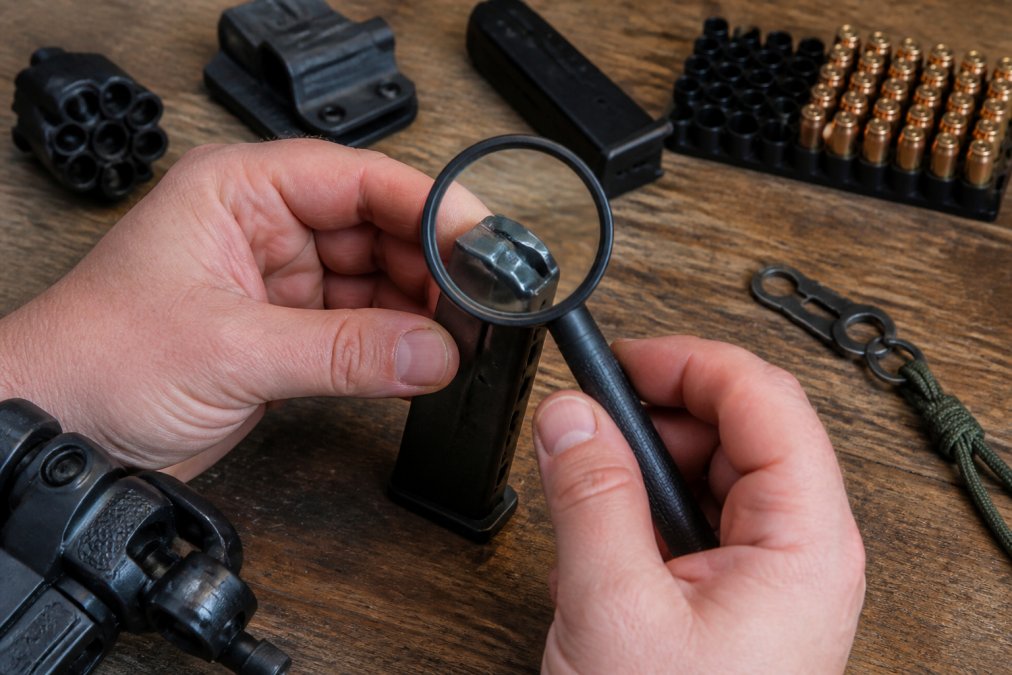
Document the condition. Keep a simple log of your magazines, mark them with numbers or colors, and note any feeding issues. This helps you track which magazines are developing problems and when they started.
Magazine Feed Lip Tuning and Adjustment Techniques
If your magazines show minor feed lip damage but are otherwise structurally sound, tuning can restore reliability.
Feed lip bending correction is possible for minor deformation. If a feed lip is bent slightly outward, carefully bend it back inward using a rubber mallet and wooden block. Place the block against the bent lip and tap gently with the mallet. Make small adjustments, you're aiming for parallel geometry. This technique works best on aluminum magazines. Polymer magazines are more prone to cracking, so be cautious.
Beveling the feed lips improves round feeding in some cases. If rounds are binding as they feed, slightly beveling the top edge of the feed lips (using 400-grit sandpaper or a fine file) reduces friction. The bevel should be minimal, just enough to break the sharp edge.
Spring tension adjustment is less common but sometimes necessary. If the spring is weak, you can add a small shim under the spring to increase tension. This is a last resort, usually a weak spring means the magazine needs replacement.
Checking magazine geometry after adjustment is critical. After any tuning work, test the magazine with dummy rounds. Cycle at least 20 rounds through to ensure the adjustment didn't create new problems. If feeding is smooth and consistent, the tuning worked.
Feed lip tuning is maintenance, not a permanent fix. A tuned magazine might give you another year of reliable service, but it's not a substitute for proper preventative care or replacement when necessary.
How to Load 9mm Magazines Faster Without Damaging Feed Lips
Speed and safety aren't mutually exclusive. The fastest loaders are also the gentlest on your magazines.
Proper loader selection matters most. A quality speed loader distributes compression force across the entire magazine body instead of concentrating it on the feed lips. The Bulletproof EZ-MAG Pistol Speed Loader uses a two-step design that compresses the spring evenly while the magazine sits stable in the loader, protecting feed lips while cutting loading time dramatically compared to hand loading.

Technique for hand loading: Press the first round into the magazine at a slight angle, then rock it forward into position. Don't push straight down, that concentrates force on the feed lips. Angle the round forward, then press it down to distribute the load more evenly. For subsequent rounds, stack them carefully and press down with steady, moderate pressure. Never slam rounds down.
Using a speed loader correctly reduces both effort and feed lip stress. Insert the magazine into the loader, load the rounds into the loader's top, then use the lever or button to compress the spring and feed the rounds into the magazine. The loader's design does the work. This is faster than hand loading and significantly gentler on feed lips because force is distributed mechanically.
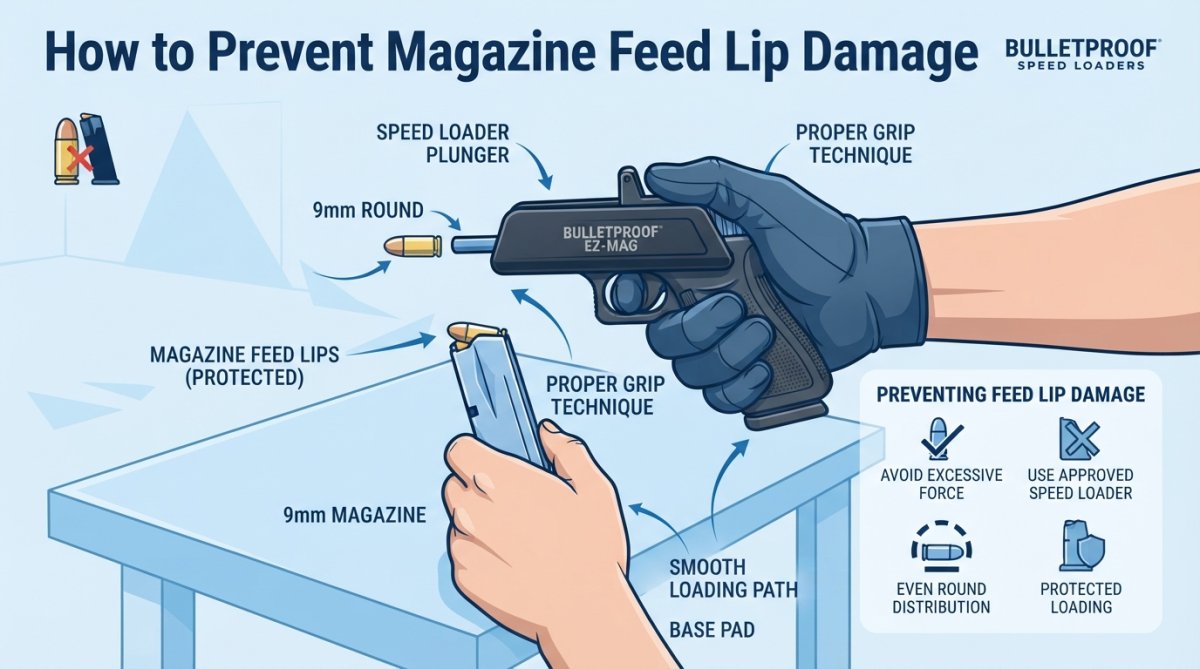
Loading speed benchmarks: Hand loading a 15-round magazine takes 45-60 seconds. A quality speed loader reduces that to 15-20 seconds. That time savings, multiplied across hundreds of loading sessions per year, adds up to significant efficiency gains and less cumulative stress on feed lips.
Avoiding common loading mistakes: Don't overload magazines beyond their rated capacity. Don't load magazines and leave them loaded for months. Don't mix ammunition types in the same magazine if you're cycling the same rounds repeatedly.
Storage and Preventative Maintenance to Protect Your Magazines
How you store magazines when not using them determines how long they'll function reliably.
Unload magazines for long-term storage. Loaded magazines sitting in a safe or range bag experience constant spring tension, causing stress fatigue in the spring and feed lips over weeks and months. If you're not using a magazine for more than a few weeks, unload it.
Store magazines in a cool, dry environment. Moisture causes corrosion in aluminum magazines and degrades polymer. Heat accelerates material fatigue. Avoid storing magazines in vehicles, damp basements, or direct sunlight. A climate-controlled safe or cabinet is ideal.
Establish a maintenance schedule. Every three months, inspect your magazines visually. Check for corrosion, cracks, or deformation. Cycle dummy rounds through each magazine to ensure feeding is smooth. This preventative approach catches problems early.
Protect magazines from impact. Use magazine pouches that hold magazines securely without crushing them. Avoid tossing magazines into range bags or dumping them loose in a drawer. Each impact is a small stress event that accumulates over time.
Rotate magazines during training. If you have multiple magazines, rotate them during practice. This spreads wear and cycling stress across more magazines, extending the life of each one.
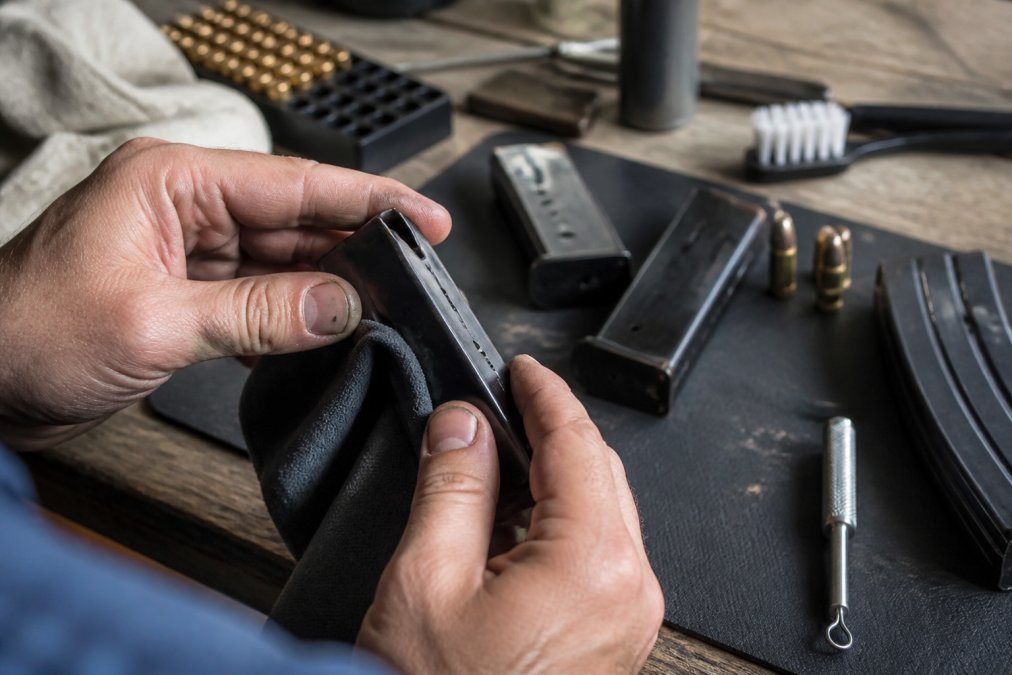
Clean magazines periodically. Disassemble the magazine (remove the base plate and spring), wipe down the interior with a dry cloth, and inspect for debris or corrosion. This takes 5 minutes per magazine and keeps internal components clean and functioning smoothly.
When to Repair Versus Replace a Damaged Magazine
Not every damaged magazine is worth repairing.
Repair when: The magazine is structurally sound but has minor feed lip deformation, the spring is still functional, and the magazine body shows no cracks. Tuning a bent feed lip back to tolerance can restore reliability. The cost of repair is minimal.
Replace when: The magazine body is cracked, the feed lips are severely bent or broken, the spring is weak and won't respond to adjustment, or the magazine has failed feeding tests after inspection. A compromised magazine is a liability.
Cost consideration: A quality replacement magazine costs $15-30. The Bulletproof Speed-Loader TACTICAL Model ($89.95) is an investment that protects your entire magazine collection by loading safely. One damaged magazine replaced costs less than hours of troubleshooting feeding malfunctions.

Frequency guideline: A well-maintained magazine should last 10,000+ rounds without significant wear. If you're replacing magazines every 2,000-3,000 rounds, your loading technique or storage practices need improvement.
The decision is straightforward: if repair takes more than 10 minutes and you're uncertain it will work, replace the magazine. Reliability is worth more than the cost of a replacement.
Magazine feed lip damage is preventable. It starts with understanding what damages feed lips: impact, improper loading, poor storage, and stress fatigue. It continues with regular inspection to catch problems early. And it's sustained through proper loading technique and maintenance practices that protect your magazines during every round you fire.
The fastest way to protect your magazines is to use a loader designed to distribute force evenly across the magazine body. The Bulletproof EZ-MAG Pistol Speed Loader does exactly that, cutting loading time while eliminating the feed lip stress that comes from hand loading. For shooters who demand reliability and efficiency, it's the practical choice that protects your gear while improving your speed at the range.
Start with an inspection of your current magazines today. Identify any that show signs of wear, tune the ones that are salvageable, and replace the ones that are compromised. Your future self, the one loading magazines at a match or in a defensive moment, will appreciate the reliability.
Frequently Asked Questions
What causes magazine feed lips to spread or crack?
Feed lips spread or crack from repeated impact damage, improper loading techniques, excessive spring tension, and metal fatigue over time. Using incompatible speed loaders, dropping magazines, or forcing rounds into overstuffed magazines accelerates damage. Aluminum and polymer magazines respond differently to stress, aluminum develops stress fatigue cracks while polymer deforms permanently. Storing loaded magazines long-term under compression can also cause structural integrity issues in the feed lips.
How often should you inspect your firearm magazines?
Inspect magazines monthly during regular use, or after every range session if you shoot frequently. Check for visible cracks, bending, and feed lip deformation before loading. Law enforcement and competitive shooters should inspect after every 500 rounds or monthly, whichever comes first. Magazines stored for extended periods should be checked quarterly. Visual identification of wear items like feed lips takes 30 seconds per magazine and prevents chambering issues and feeding malfunctions that compromise reliability.
Can you repair bent magazine feed lips?
Minor feed lip damage can be tuned using 400-grit sandpaper and careful beveling to restore proper cartridge alignment. However, structural cracks, deep deformation, or metal fatigue typically cannot be safely repaired. Attempting to bend aluminum feed lips back into shape often causes permanent weakness. If a magazine fails a chambering test after tuning, replace it. Polymer magazines with deformed lips are not repairable. When in doubt, replace the magazine, a failed magazine in a critical situation is not worth the risk.
How does using a speed loader protect magazine feed lips?
Quality speed loaders like the Bulletproof EZ-MAG apply even, controlled pressure across the entire magazine geometry, preventing the localized stress that hand-loading creates. Hand-loading forces rounds against one feed lip, causing deformation and wear items to fail faster. Speed loaders compress springs uniformly, maintaining tolerance and reducing impact damage. Proper speed loader design also prevents rounds from jamming or scraping feed lips during insertion, which is a leading cause of bevel damage and cycling reliability issues.
This article was written using GrandRanker
Frequently Asked Questions
What causes magazine feed lips to spread or crack?
Feed lips spread or crack from repeated impact damage, improper loading techniques, excessive spring tension, and metal fatigue over time. Using incompatible speed loaders, dropping magazines, or forcing rounds into overstuffed magazines accelerates damage. Aluminum and polymer magazines respond differently to stress—aluminum develops stress fatigue cracks while polymer deforms permanently. Storing loaded magazines long-term under compression can also cause structural integrity issues in the feed lips.
How often should you inspect your firearm magazines?
Inspect magazines monthly during regular use, or after every range session if you shoot frequently. Check for visible cracks, bending, and feed lip deformation before loading. Law enforcement and competitive shooters should inspect after every 500 rounds or monthly, whichever comes first. Magazines stored for extended periods should be checked quarterly. Visual identification of wear items like feed lips takes 30 seconds per magazine and prevents chambering issues and feeding malfunctions that compromise reliability.
Can you repair bent magazine feed lips?
Minor feed lip damage can be tuned using 400-grit sandpaper and careful beveling to restore proper cartridge alignment. However, structural cracks, deep deformation, or metal fatigue typically cannot be safely repaired. Attempting to bend aluminum feed lips back into shape often causes permanent weakness. If a magazine fails a chambering test after tuning, replace it. Polymer magazines with deformed lips are not repairable. When in doubt, replace the magazine—a failed magazine in a critical situation is not worth the risk.
How does using a speed loader protect magazine feed lips?
Quality speed loaders like the Bulletproof EZ-MAG apply even, controlled pressure across the entire magazine geometry, preventing the localized stress that hand-loading creates. Hand-loading forces rounds against one feed lip, causing deformation and wear items to fail faster. Speed loaders compress springs uniformly, maintaining tolerance and reducing impact damage. Proper speed loader design also prevents rounds from jamming or scraping feed lips during insertion, which is a leading cause of bevel damage and cycling reliability issues.