 how-to
Preventing Trigger Finger Pain While Target Shooting
Last Updated: November 8, 2026
Quick Summary
Trigger finger pain while target shooting is usually prevented by limiting repeated tendon load: shorter sessions, a fitted grip, pad-first trigger contact, lighter grip pressure, and rest between strings. Stop at any locking, clicking, or lingering soreness, and see a doctor if symptoms persist.
- Repeated trigger pulls and tight grips stress the flexor tendon on every shot.
- Press the trigger with the pad of the index finger, not the first-joint crease.
- Keep grip firm but not white-knuckled; support-hand pressure controls recoil.
- Rest the trigger finger straight along the frame between strings.
- See a doctor if locking persists beyond one or two weeks of rest.
Table of Contents
- What Trigger Finger Is and Why Target Shooting Aggravates It
- Spotting Early Warning Signs: Pain, Clicking and Locking
- Adjusting Your Grip and Trigger Technique at the Range
- Rest and Activity Modification for Trigger Finger
- Trigger Finger Exercises and Stretches for Shooters
- Using a Trigger Finger Splint or Brace While Shooting
- When to See a Doctor for Trigger Finger
- Frequently Asked Questions
What Trigger Finger Is and Why Target Shooting Aggravates It
Trigger finger is a condition where a tendon in the finger catches inside its sheath, so the finger locks or clicks when you bend and straighten it, a painful pattern many shooters recognize as trigger finger pain (Trigger Finger - Trigger Thumb - OrthoInfo).
This guide is here to help you keep your hands working well. For a dedicated step-by-step plan, see safe ways to build trigger finger stamina.
Trigger finger is also called stenosing tenosynovitis (Trigger Finger - Trigger Thumb - OrthoInfo). It most often affects the ring finger and thumb, though any finger can be involved.
Target shooting adds load to the same structures again and again. Each trigger press, each magazine reload and each firm grip on the pistol repeats the motion that irritates the tendon.
- Repeated trigger pulls stress the flexor tendon
- A tight grip raises pressure on the finger joints
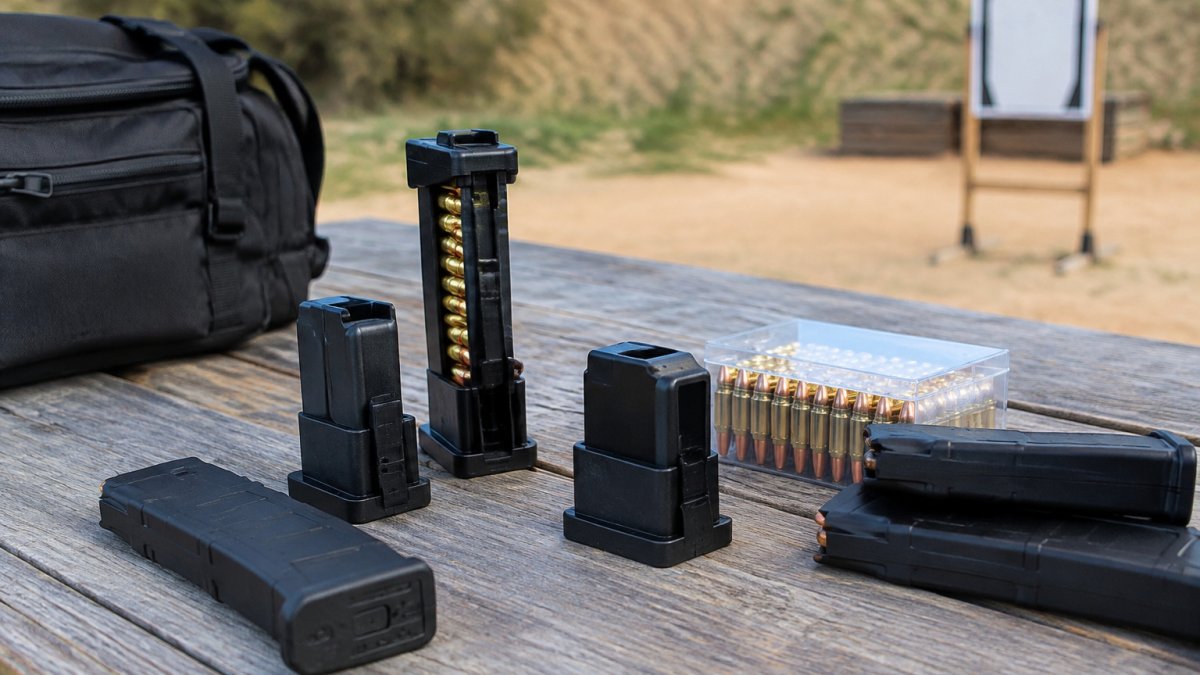
- Reloading adds pinching and bending
- Cold weather can make stiffness worse
Spotting Early Warning Signs: Pain, Clicking and Locking
Early trigger finger usually shows up as soreness at the base of the affected finger, often in the palm, and this trigger finger pain is typically the first sign shooters notice.
Locking is the more serious stage. The finger may stay bent and then pop straight, or it may refuse to straighten until you use your other hand.
Watch for these warning signs during and after shooting:
- Pain at the base of the finger that lasts into the next day
- A clicking or popping feeling when you bend the finger
- Morning stiffness that eases after you move the hand
- A finger that catches or locks in a bent position
If symptoms appear, stop and let your hand recover. Pushing through pain is what turns a mild problem into a stubborn one.
Adjusting Your Grip and Trigger Technique at the Range
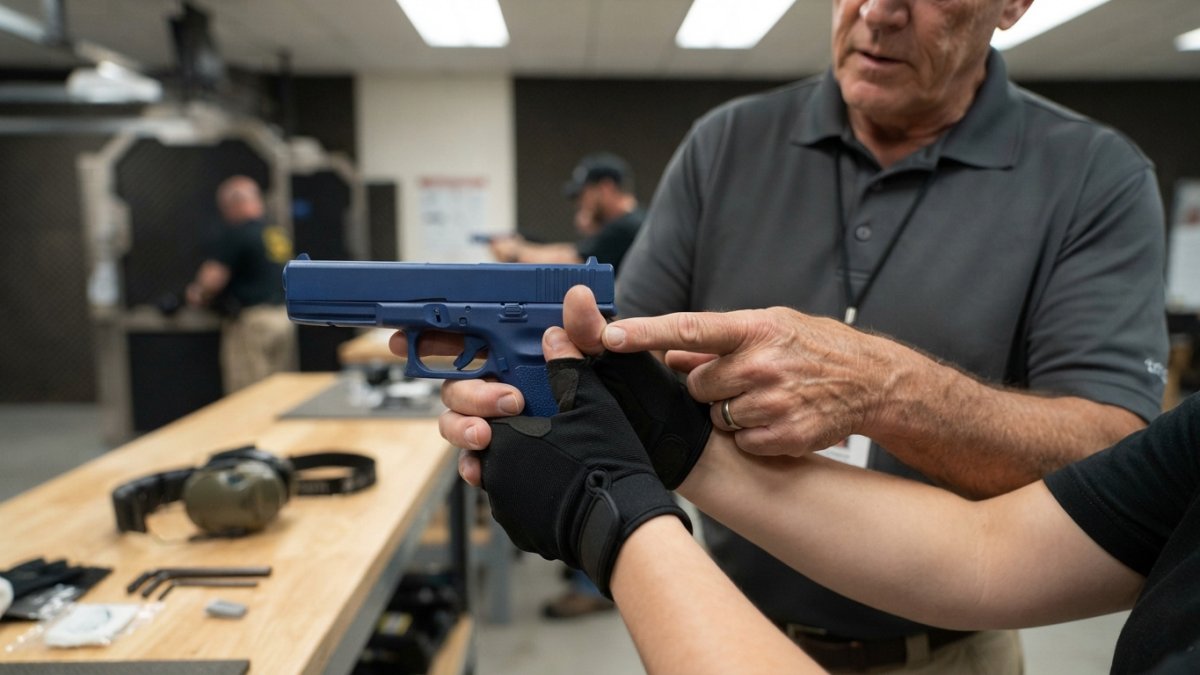
For shooters, the useful question is which parts of the grip and trigger interface put load on the flexor tendon, and how to change them without giving up control of the firearm. The goal is to reduce peak force and repeated flexion on the trigger finger while keeping safe, repeatable trigger control.
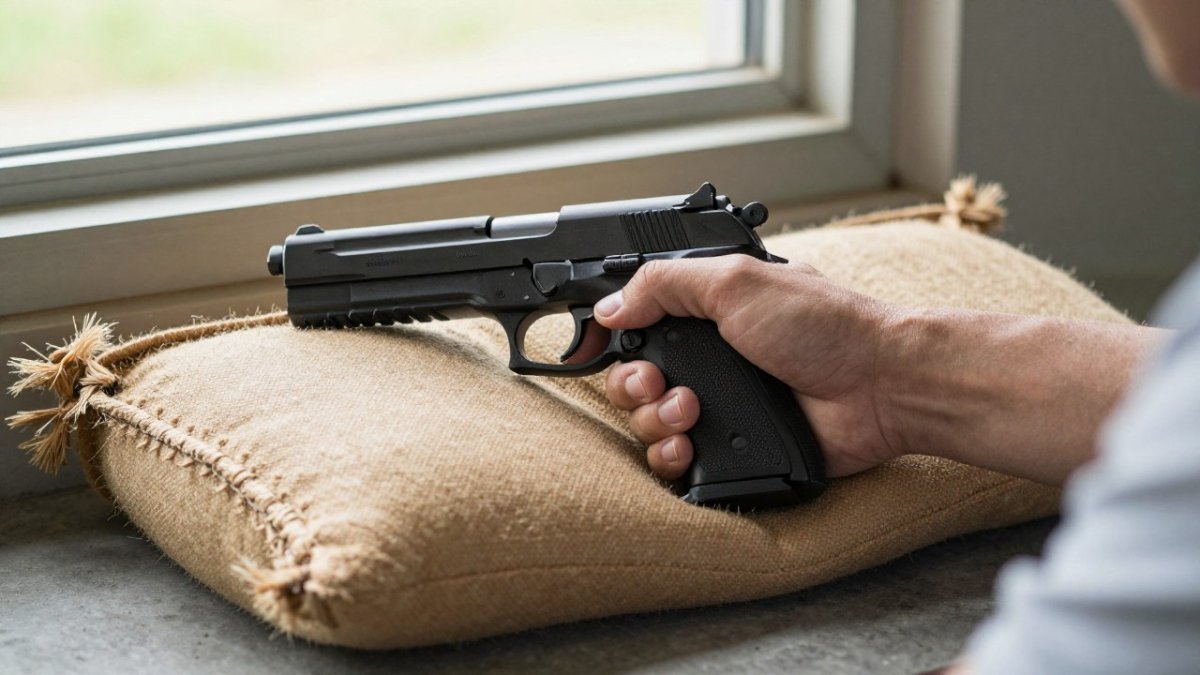
Fit the gun to your hand, not the other way around
Trigger reach is the distance from the backstrap to the face of the trigger. If that distance is too long for your hand, you end up reaching with the fingertip and curling the finger around the trigger, which flexes the tendon more on every shot. Before changing technique, check whether the pistol's grip size, backstrap, or trigger reach can be adjusted. Have a qualified armorer or gunsmith fit any trigger or backstrap change, and confirm the firearm still passes a function check.
Put the pad, not the crease, on the trigger
The trigger should contact the pad of the index finger, roughly midway between the tip and the first joint. Pressing with the crease of the first joint forces the finger to wrap farther around the trigger and increases flexor tendon travel. A straight rearward press, with the finger moving independently of the rest of the hand, keeps the tendon working through a shorter, smoother arc than a hooking or milking motion. If you cannot reach the pad without shifting your grip, that is a fit problem, not a technique problem.
Grip pressure: firm enough to control, no firmer
A death grip sends force through the whole hand, including the trigger finger, on every shot. Support-hand pressure does most of the work of controlling recoil; the shooting hand should be firm but not white-knuckled. A practical check: after a string, your support hand should feel more worked than your trigger finger. If the base of your trigger finger is sore before your support hand is, you are over-gripping with the shooting hand.
Trigger weight and reset
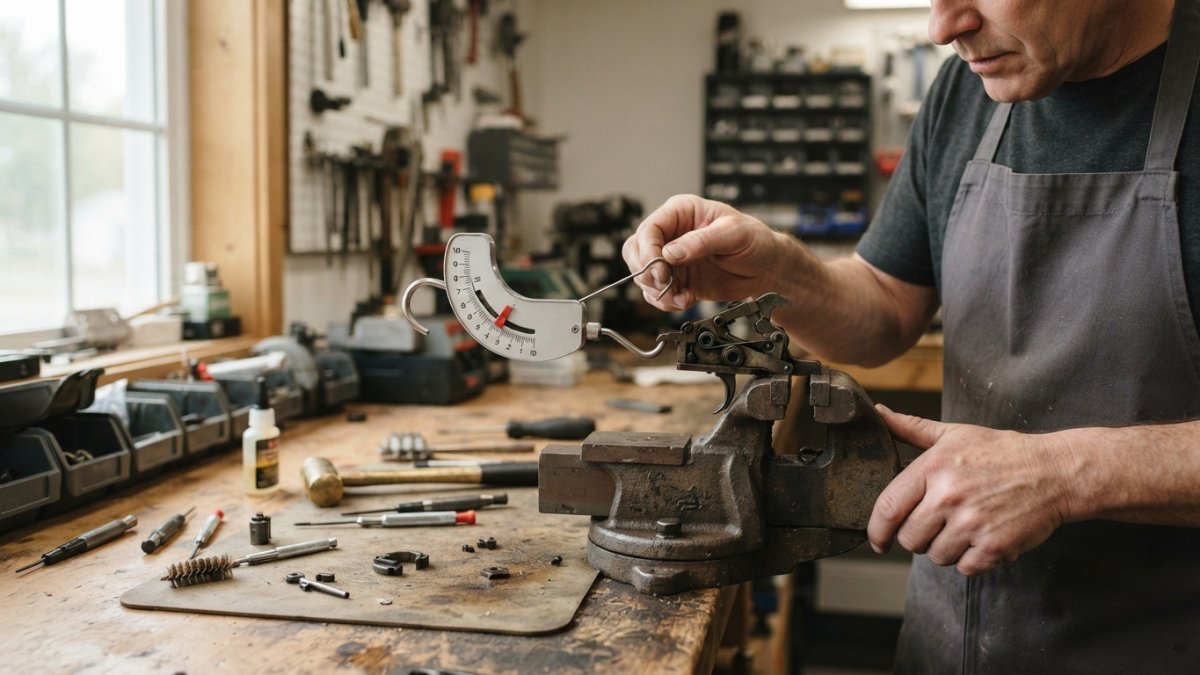
A very heavy trigger requires more finger force on every press, and that force is repeated hundreds of times in a session. Trigger weight is a firearm-safety decision, not just a comfort one: have any trigger work done by a qualified professional, confirm the firearm still passes a function check, and never carry or use a firearm with a trigger you have not verified is safe.
Let the finger rest between strings
Between strings, take the trigger finger off the trigger and lay it straight along the frame, outside the trigger guard. That brief extension gives the flexor tendon a break from repeated flexion and is also the safest place for the finger when you are not actively shooting. A sandbag, rest, or bench block lets you support the pistol without gripping hard between strings.
Recoil management that spares the hands
Recoil is absorbed by the whole hand and arm, not just the trigger finger. A proper two-handed grip with the support hand wrapped high and the wrists locked directs recoil into the arms. To build the hand strength behind that grip, see how to improve grip strength for shooting accuracy.
Watch out: Any change to trigger, backstrap, or grip geometry can affect safe trigger control. Verify the firearm is unloaded, follow the four rules of firearm safety, and function-check the gun after any modification before live fire.
Rest and Activity Modification for Trigger Finger
Rest is the most important part of managing trigger finger. For more practical strategies to reduce finger fatigue at the range, see our expanded guide.
Consider these changes when your finger is irritated:
- Shoot shorter sessions with more breaks between strings
- Alternate with lighter practice, like dry fire on an empty chamber
- Limit reloading sessions where you repeatedly pinch the magazine
- Avoid gripping tools or gear hard on rest days
Watch out: Dry firing with a live round or handling ammunition while your hand is sore can increase grip strain. Always check that the firearm is unloaded and follow the four rules of firearm safety.
The article lists practical ways to ease load on an irritated finger, with a clear caution about dry firing and handling ammunition.
| Situation | Suggested change | Why it matters |
|---|---|---|
| Irritated finger | Shorter sessions, more breaks | Reduces repeated tendon load |
| Irritated finger | Lighter practice, such as dry fire | Keeps skills without full load |
| Reloading | Limit repeated magazine pinching | Avoids added pinching strain |
| Rest days | Avoid hard gripping of tools | Gives the tendon time to calm |
| Dry firing or handling ammunition | Check firearm is unloaded, follow safety rules | Hard grip raises strain risk |
Trigger Finger Exercises and Stretches for Shooters
General hand stretches help, but shooters need a routine timed to the range session: a short warm-up before practice, gentle mobility after, and a way to track whether the routine is actually working. The movements below are low-load and can be done at home. Stop any movement that produces sharp pain, catching, or locking.
Before the range: a five-minute warm-up
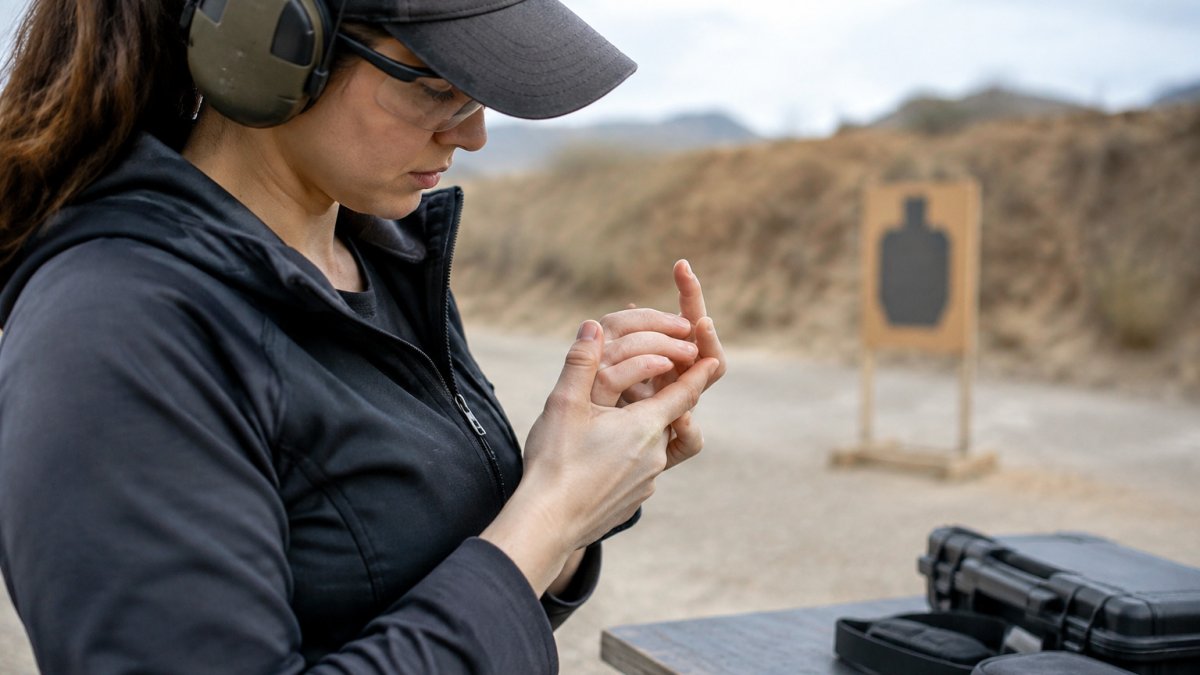
Cold, stiff fingers flex less smoothly and are more likely to catch. A brief warm-up primes the tendon and the surrounding muscles before the first shot.
- Open and spread: Open the hand fully, spread the fingers wide, and hold for five seconds. Repeat five times.
- Loose fist: Make a loose fist, then straighten the fingers slowly. Repeat ten times.
- Finger walks: Walk the fingertips to the palm and back out, one finger at a time, ten times per hand.
- Wrist circles and gentle range of motion: Circle each wrist slowly in both directions, then bend and extend the wrist gently.
- Light grip priming: Squeeze a soft stress ball lightly ten times per hand. The goal is blood flow, not fatigue.
Do this warm-up before dry-fire practice as well as live fire. Dry fire on an empty chamber is a low-recoil way to rehearse grip and trigger press, but it still loads the tendon, so treat it like practice, not rest.
After the range: a short recovery routine
Post-session stiffness is common. A few minutes of gentle mobility while the hand is still warm can reduce next-day soreness.
- Gentle finger extension: Lay the hand flat on a table and lift each finger slowly, one at a time, five times.
- Tendon glide: Slowly move from a straight hand to a hook fist to a full fist and back, five slow repetitions.
- Assisted stretch: Gently bend the affected finger toward the palm with the other hand, hold five seconds, release. Repeat five times. Mild stretch only.
- Cool-down grip: Squeeze a soft ball lightly five times, then rest.
Track practice load and symptoms
Trigger finger is a load problem, so the useful data is how much load you applied and how the finger responded. Keep a simple log with four fields: date, session type (live fire, dry fire, reloading practice), rounds or repetitions, and a 0-10 pain score during and the next morning. If next-morning pain or clicking rises after a session, reduce the next session's volume and see whether symptoms settle.
Distinguish ordinary soreness from trigger finger
Shooting-related hand soreness is usually diffuse and eases within a day. Trigger finger tends to localize to the base of the finger in the palm, with clicking, catching, or locking, and morning stiffness that eases as the hand warms up. You can compare your symptoms against signs of repetitive strain injury from shooting.
Watch out: Do not use stretching or a stress ball to "work through" a locking finger. Locking means the tendon is catching, and added load can make it worse. Rest and clinical advice come first.
Using a Trigger Finger Splint or Brace While Shooting
A splint holds the finger straight and limits bending, which can rest an irritated tendon. Many people wear a splint at night, when the finger tends to stay bent.
Wearing a splint while shooting may affect your grip and trigger control, so test it at a slow, controlled pace before using it in a match or on a hard day.
Stop wearing a splint if it causes numbness, tingling or increased pain. Always remove it before handling firearms in a way that affects safe trigger control.
When to See a Doctor for Trigger Finger
See a doctor if your finger locks in a bent position, stays painful after a week or two of rest, or keeps getting worse.
Seek care sooner if you notice swelling that spreads, redness, warmth, numbness or weakness in the hand. These signs can point to problems beyond simple trigger finger.
Many people manage trigger finger well with rest, stretching and smart shooting habits. Early care gives you the best chance of keeping your hands ready for the range.
Shooting comfortably starts with protecting your hands.
Frequently Asked Questions
How can I prevent trigger finger pain while target shooting?
Focus on reducing repeated gripping and trigger pulls. Use a grip that doesn't require squeezing hard, take breaks between strings of fire, keep your finger straight when not shooting, and limit total round count during a session. Warm up with gentle finger stretches before shooting, and stop when you notice clicking, catching or swelling. Gradual increases in practice volume help your tendons adapt without overloading them.
Can target shooting make trigger finger worse?
Repeated gripping, recoil-driven tension and long practice sessions can aggravate an existing trigger finger, especially when the flexor tendon is already inflamed. Shooting itself does not cause the condition in most people, but high round counts without rest can increase pain and swelling. If symptoms persist after reducing your practice load, reassess your grip and consult a clinician.
Should I keep shooting if my finger locks or catches?
Stop or significantly reduce shooting when your finger locks, catches or becomes painful. Continuing to load and fire through locking can inflame the tendon further. Rest the hand, use a splint if recommended, and resume only when symptoms settle. Persistent locking warrants a visit to a doctor or hand specialist before you return to a full practice schedule.
When should I see a doctor for trigger finger pain?
See a doctor if your finger is frequently locked, painful during rest, unable to straighten on its own, or not improving after several weeks of rest and conservative care. Also seek care for significant swelling, numbness or signs of infection.