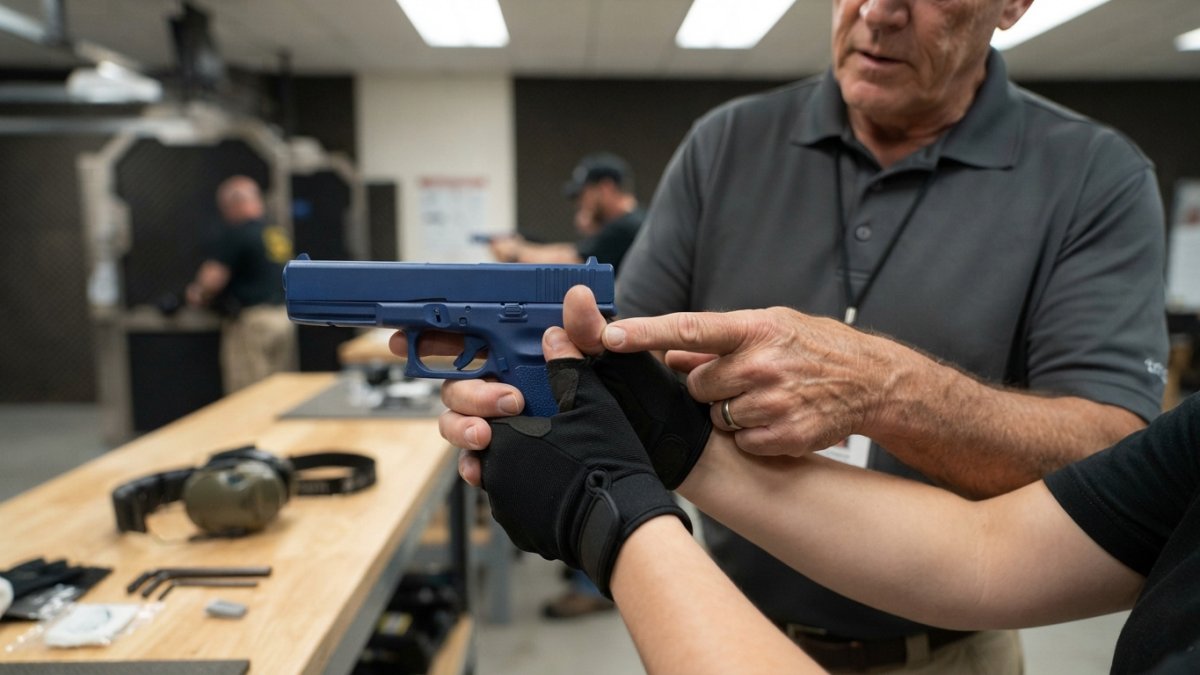
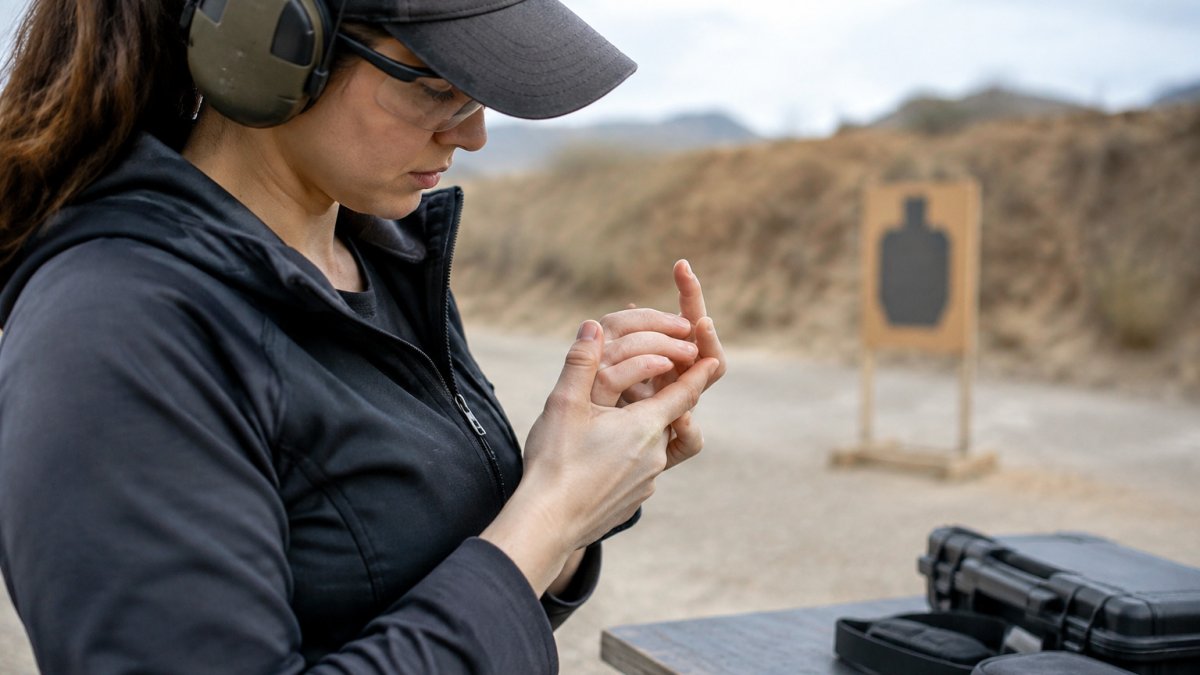
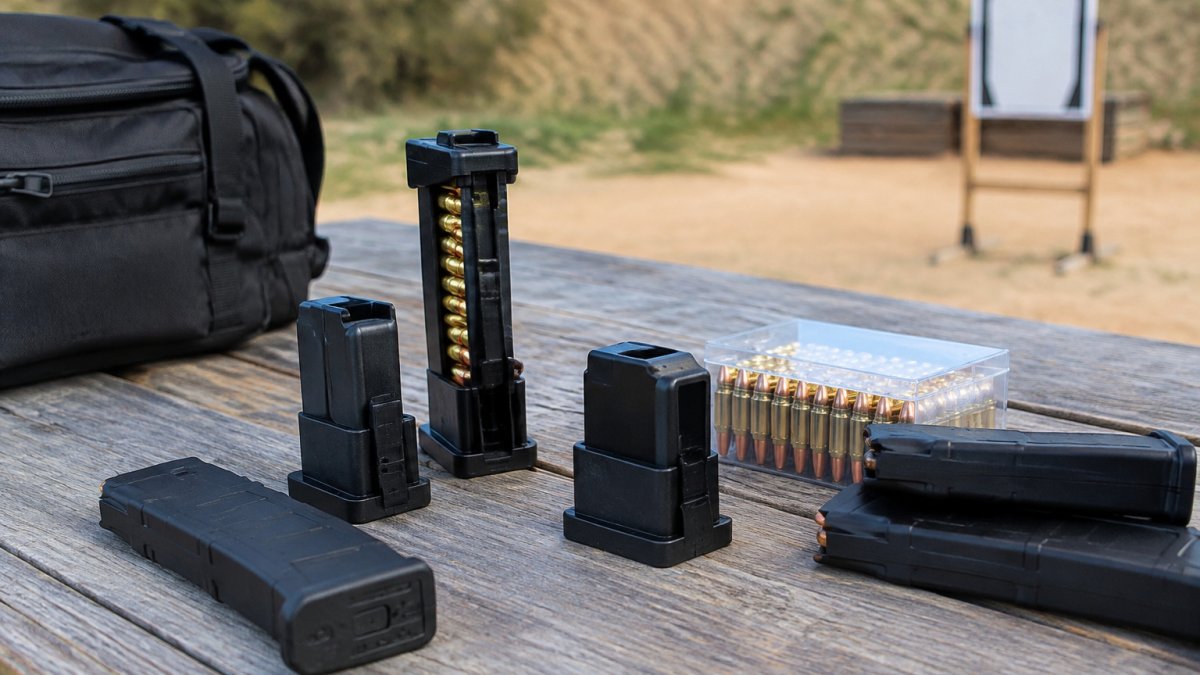
 how-to
Choosing the Right Trigger Pull Weight for Endurance
Quick Summary
The right trigger pull weight for endurance is the lightest weight you can control without fatigue degrading your groups over a full session. Measure your current pull with a trigger pull gauge, shoot a full session, and note where your finger starts to tire. Then change one thing at a time and retest.
- Measure your trigger three to five times with a gauge and note the spread.
- A wide spread suggests creep or inconsistent travel that adds effort over a long session.
- Log where in a session your groups open up and your finger starts to feel the pull.
- Change only one thing at a time so you know which adjustment actually helped.
- A trigger set too light can cause jerked shots and unintended discharges when fatigued.
Table of Contents
- What Trigger Pull Weight Means and How It Is Measured
- Typical Trigger Pull Weights by Firearm Type
- Why Trigger Weight Matters for Endurance and Fatigue
- How Trigger Pull Weight Affects Shooting Accuracy
- Best Trigger Pull Weight for AR-15 Shooting Sessions
- A Step-by-Step Process for Choosing Your Endurance Trigger Weight
- Your Next Step: Test Before You Commit
- Frequently Asked Questions
Last Updated: November 5, 2026
Choosing a trigger pull weight for endurance comes down to one question: how much effort can your finger repeat, round after round, without losing precision? Most shooters pick a trigger by feel or by what a friend uses. A better approach starts with understanding what the number means and how it changes fatigue over a long session. This guide from BULLETPROOF SPEED LOADERS explains how trigger pull is measured, what weights different firearms typically carry, and how to pick a weight that holds up when you have fired a full string of rounds.
What Trigger Pull Weight Means and How It Is Measured
Trigger pull weight is the amount of force, measured in pounds, needed to move the trigger until the firearm fires. A lighter trigger needs less force. A heavier trigger needs more. The number is simple, but the measurement behind it matters.
Measurement is treated as a forensic task. The NIST best practice recommendation for measuring trigger pull describes procedures for measuring trigger pull and estimating measurement uncertainty. That means a stated weight is only as good as the method used to get it.
Using a Trigger Pull Gauge Correctly
A trigger pull gauge is the most common tool for checking weight at home. To get a useful reading:
- Unload the firearm and confirm it is clear before you start.
- Hook the gauge on the trigger face, centered where your finger normally sits.
- Pull steadily and straight back, without jerking.
- Record the reading at the moment the hammer or striker releases.
- Repeat the test three to five times and note the spread.
If your readings vary widely, the trigger may have creep or inconsistent travel. That inconsistency affects shooting more than the average weight does.
Typical Trigger Pull Weights by Firearm Type
Trigger weights vary by design and purpose. Trigger weights are often set differently for competitive and duty-oriented use. Competitive triggers are commonly set lighter, while duty and defensive triggers often run heavier for safety and reliability.
Here is a general range to start from:
- Competition rifles: Often about 2 to 3 pounds, sometimes lighter in precision matches.
- AR-15 style rifles: Stock triggers commonly fall in the mid-range, with aftermarket options offered lighter.
- Duty and defensive pistols: Usually heavier, often in the 4 to 6 pound area.
These are starting points, not rules. Check your specific firearm before making changes.
Why Trigger Weight Matters for Endurance and Fatigue
Endurance is about how your hand performs after the fiftieth shot, not the first. A trigger that feels fine for five rounds can become tiring over a long session. The effort adds up, and small pulls can grow sloppy as your finger tires.
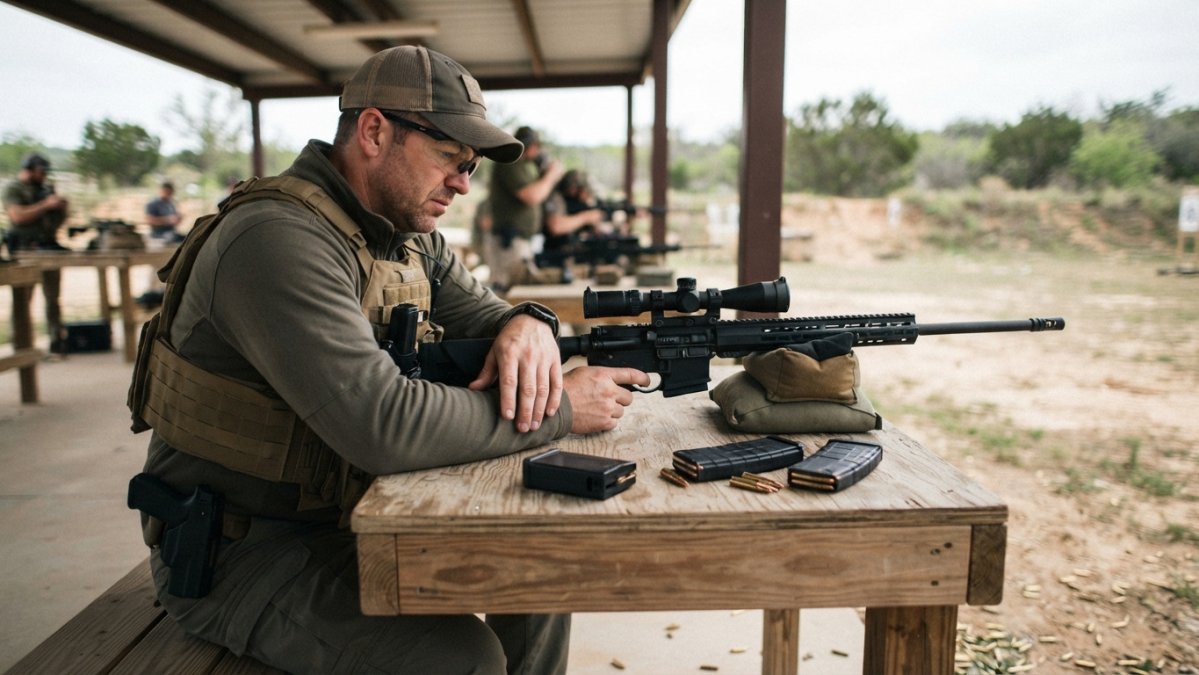
The mechanism is straightforward. Every shot requires your trigger finger to produce a force equal to the pull weight, plus enough extra to overcome creep and travel. Over a long string, the muscles that flex the finger and stabilize the hand accumulate fatigue. As those muscles tire, two things happen: the finger produces force less smoothly, and the hand's grip on the firearm becomes less consistent. A heavier pull accelerates both effects because each shot demands a larger share of your available strength.
That does not mean lighter is always better for endurance. A very light trigger can encourage a shooter to rest the finger on the trigger between shots, which is a safety problem and a control problem. A trigger that is too light for your skill level can also produce jerked shots when you are tired, because your finger has less resistance to work against and small involuntary movements translate directly into the shot.
Several variables change how much pull weight costs you over time:
- Finger and hand strength. Shooters with greater grip and finger strength can run a heavier trigger longer before fatigue degrades their control. Those with less strength often benefit from a lighter or crisper trigger.
- Grip consistency. A consistent grip reduces the work your trigger finger has to do to keep the sights aligned. Inconsistent grip forces the finger to compensate shot to shot, which drains endurance faster.
- Cold conditions. Cold reduces finger dexterity and strength. A trigger that feels manageable indoors can feel heavy and sluggish in cold weather, so a weight chosen for warm-weather practice may not hold up in a cold-weather session.
- Session length and pace. Slow, deliberate strings give the hand time to recover between shots. Rapid strings compound fatigue, so a weight that works for slow fire may not work for timed drills.
- Trigger feel. Creep, grit, and a long travel add effort beyond the measured pull weight because your finger must work through that travel on every shot. A crisp trigger at the same weight often feels lighter over a long session.
For most shooters, the goal is a weight that is light enough to avoid fatigue but heavy enough to stay controlled under stress. The practical test is to shoot a full session at your current weight, note when your groups open up or your finger starts to feel the pull, and then make one small change and repeat.
How Trigger Pull Weight Affects Shooting Accuracy
Accuracy depends on how smoothly the shot breaks. A trigger with a consistent pull and a clean break lets you keep your sights steady through the shot. A trigger with heavy creep, rough travel, or uneven weight makes it harder to hold still.
Weight alone does not decide accuracy. A 4 pound trigger with a crisp break can outshoot a 2 pound trigger with a gritty pull. Look at both weight and feel when you judge a trigger.
Best Trigger Pull Weight for AR-15 Shooting Sessions
AR-15 triggers are popular for sport and training, and many shooters choose a lighter pull for target work. For long sessions, a moderate weight is often a good balance between effort and control.
When choosing an AR-15 trigger weight for endurance:
- Start with the factory weight and log how your hand feels after a full session.
- If fatigue sets in, try a slightly lighter setting or a crisper trigger.
- Avoid going so light that you lose control at the end of a string.
The supporting term "best trigger pull weight for AR-15" depends on your goals. There is no single right answer for every shooter.
A Step-by-Step Process for Choosing Your Endurance Trigger Weight
Use this process to narrow down a weight that works for your shooting. It is built around measurement and retesting rather than guesswork, because the right weight for endurance depends on your hand, your firearm, and how long you actually shoot.
- Measure your current trigger. Use a trigger pull gauge and record three to five pulls. Note the average and the spread. A wide spread suggests creep or inconsistent travel that will cost you effort over a long session.
- Shoot a full session and log fatigue. Record where in the session your groups open up, where your finger starts to feel the pull, and whether your grip changes. This gives you a baseline to compare against.
- Decide your main use and conditions. Competition, training, hunting, and home defense each call for a different balance. Also note whether you shoot in cold weather, shoot rapid strings, or shoot long slow-fire sessions, because each changes how much pull weight costs you.
- Weigh firearm type against your goal. A competition rifle can often run a lighter pull because the firearm is supported and the shot is deliberate. A defensive pistol usually needs a heavier pull for safe handling and reliable operation. Match the weight to the firearm's role before chasing a number.
- Make one small change. Adjust weight or replace the trigger, and change only one thing at a time. If you change weight and trigger feel together, you will not know which change helped.
- Retest and compare. Repeat the gauge test and a timed session. Compare fatigue onset and group size against your baseline. Keep the change only if it improves both without compromising control.
- Check safety and reliability. Confirm the firearm functions reliably at the new setting, that the trigger resets consistently, and that the weight is appropriate for your skill level and intended use. Follow the manufacturer's guidance and any rules that apply to your shooting discipline.
Keep a short log of each change. Over time, the log will show you which weight suits your hand and shooting style. If you want to read more on how magazine loading affects your range routine, see our how to choose a magazine speedloader buyer's guide and our step-by-step guide to choosing the right magazine speed loader.
Hand strength plays a role too. Shooters who want to handle a heavier trigger without tiring may benefit from grip strength exercises for shooting accuracy, and those who notice hand fatigue after long sessions can review exercises to reduce hand fatigue from shooting and safe steps to build trigger finger stamina.
The process below turns the article's steps into a quick reference you can follow at the range.
| Step | What to do | Time or frequency |
|---|---|---|
| Measure your current trigger | Use a trigger pull gauge and record three to five pulls | Before any changes |
| Shoot a full session and log fatigue | Note where groups open up and the finger starts to feel the pull | One full session |
| Decide your main use and conditions | Consider competition, training, hunting or defense, plus cold or rapid strings | Before choosing a weight |
| Weigh firearm type against your goal | Match the weight to the firearm's role | Before adjusting |
| Make one small change | Change only one thing at a time | One change per test |
| Retest and compare | Repeat the gauge test and a timed session | After each change |
| Check safety and reliability | Confirm reliable function, consistent reset and appropriate weight | After every change |
Your Next Step: Test Before You Commit
Before you change anything, test what you have. Measure the current pull, shoot a full session, and note where your hand starts to tire. Then make one small adjustment and test again. This method takes more time than guessing, but it gives you a trigger weight based on your own results.
Frequently Asked Questions
What is the ideal trigger pull weight?
There is no single correct trigger pull weight. Manufacturers and shooting resources agree that the right number depends on the shooter, the firearm and the task. Competition shooters often choose lighter triggers, while duty-oriented shooters commonly use heavier ones. For endurance, start with a weight you can hold steadily across a full session, then adjust in small steps based on how your hand and accuracy hold up.
Is a 4.5-pound trigger pull good?
A 4.5-pound trigger pull falls within the range many duty-oriented sources describe as practical for general use. Whether it is good depends on your goals. For a shooter who wants a light, fast break for competition, it may feel heavy. For a shooter who values control and wants to reduce accidental discharges while fatigued, it may suit them well. Test it across a full range session before deciding.
How do you measure trigger pull weight accurately?
Use a calibrated trigger pull gauge, pulling straight back along the trigger face with the firearm secured and the action unloaded. Repeat the measurement several times and record the average, since a single pull can vary. The National Institute of Standards and Technology has published a best practice recommendation covering trigger pull measurement procedures and uncertainty estimation, which is a useful reference if you want a rigorous method.
Is a 3.5-pound trigger too light?
A 3.5-pound trigger is not too light for most shooters, but it may be too light for some. Lighter triggers can reduce the effort needed to break a shot, which helps with control at the range. The tradeoff is that a very light trigger can increase the chance of an unintended discharge if your finger rests on it during handling or a stressful moment. Choose the weight that gives you controlled breaks without anxiety about accidental fire.