 comparison
Polymer vs Metal Speedloaders: Cleaning Guide
Table of Contents
- Polymer vs Metal Speedloaders: Material Differences
- Cleaning Polymer Speedloaders: Best Gun Cleaning Solvents for Polymer
- Cleaning Metal Speedloaders: How to Prevent Rust on Metal Firearm Accessories
- Maintaining Tactical Speed Loaders for Long-Term Durability
- Comparison Table: Polymer vs Metal Speedloader Maintenance
- Common Cleaning Mistakes and Safety Considerations
- Frequently Asked Questions
Last Updated: October 2, 2026
Polymer vs Metal Speedloaders: Material Differences
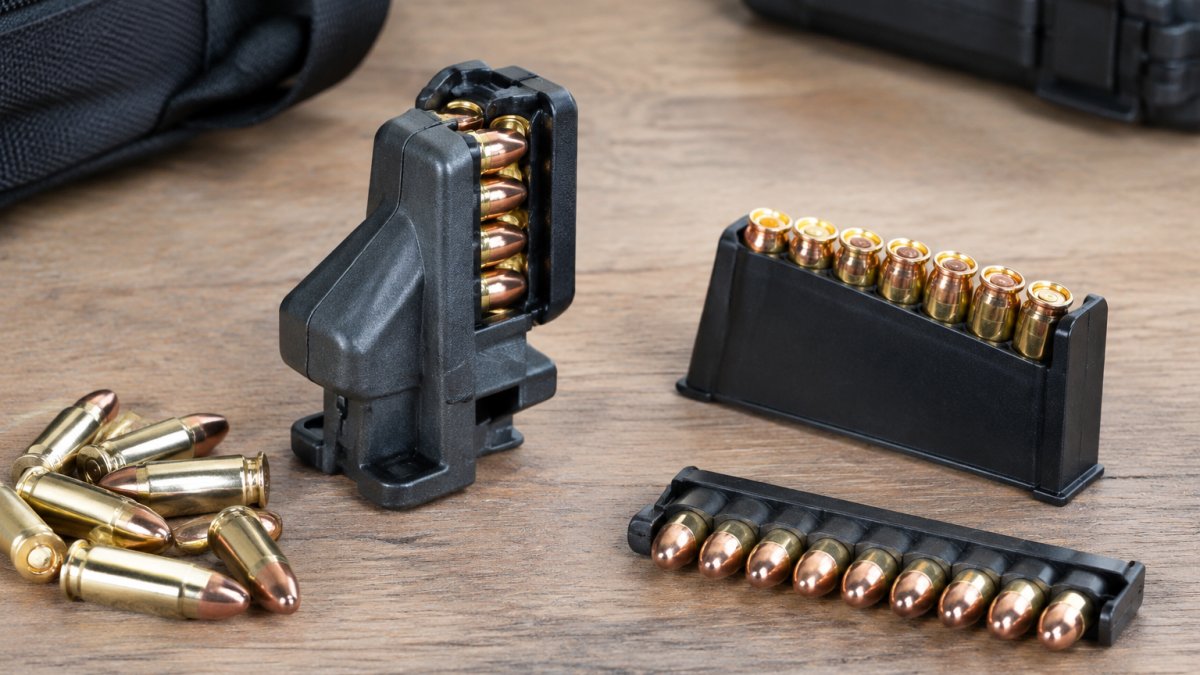
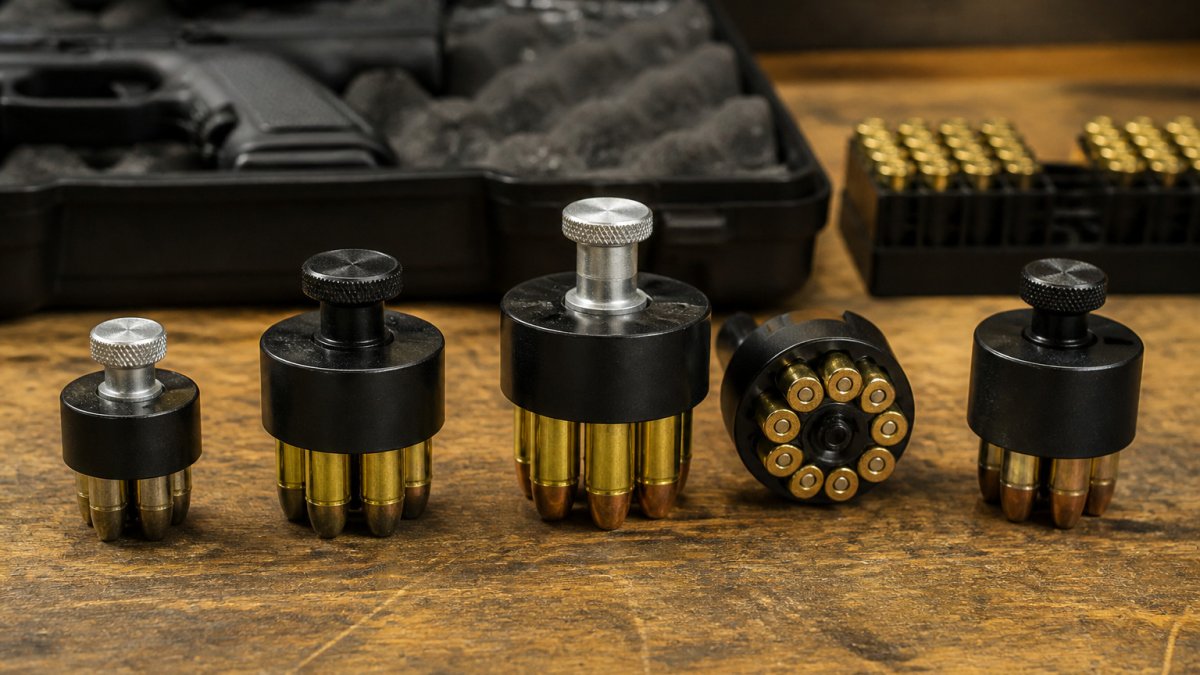
Understanding polymer vs metal speedloaders determines your maintenance approach. Using the wrong cleaning method damages polymer with harsh solvents or allows metal to corrode. Understanding these material differences ensures reliable performance when it matters most.
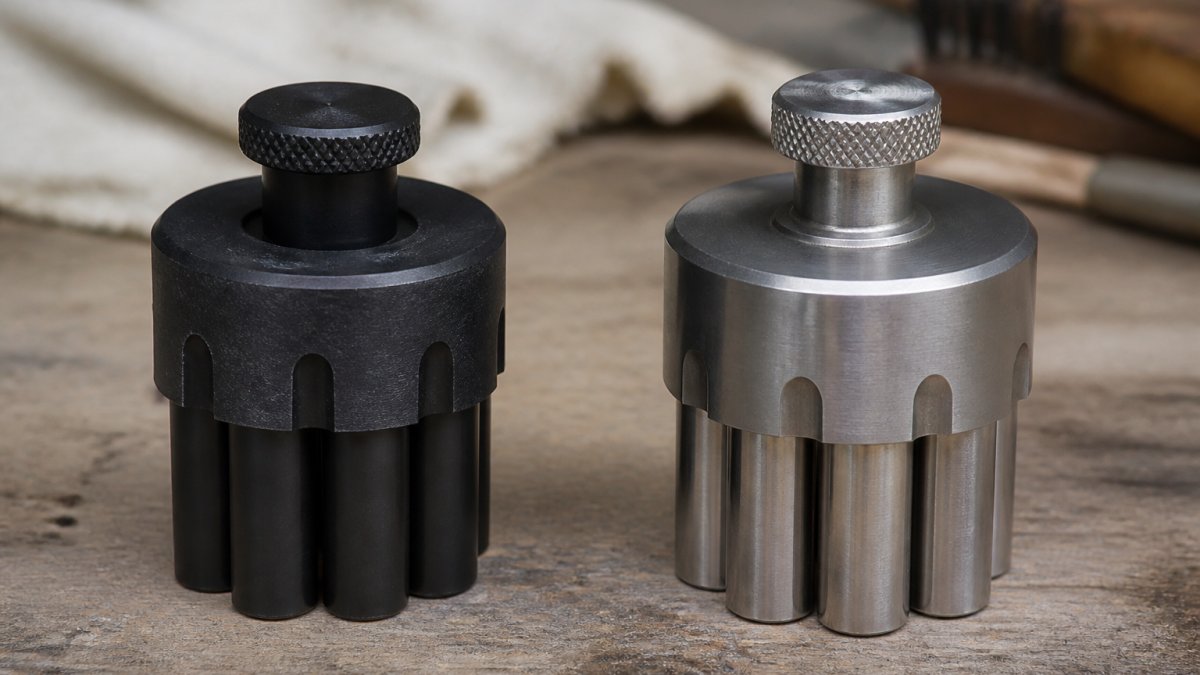
Polymer speedloaders offer lightweight durability; metal speedloaders deliver superior strength under extreme conditions. The maintenance requirements differ fundamentally: solvents safe for polymer can strip its finish, while dry storage that protects metal can trap moisture in polymer joints, causing degradation.

Why Material Matters for Maintenance
Polymer components resist certain solvents but remain vulnerable to others. Metal surfaces, especially anodized aluminum, require lubrication to prevent oxidation, but the wrong lubricant can gum up the mechanical action.
Cleaning Polymer Speedloaders: Best Gun Cleaning Solvents for Polymer
Polymer speedloaders require a gentler approach. Certain solvents can soften, discolor, or weaken polymer. Focus on debris removal and basic maintenance without chemical degradation.
Safe Solvents and Chemical Compatibility
Petroleum-based solvents, mineral spirits, and acetone can damage polymer. Use water-based cleaners, mild degreasers, or solvents formulated for synthetic materials.
Isopropyl alcohol (70-90%) safely removes powder residue and light carbon buildup. Soap and warm water work for basic cleaning. For stubborn deposits, use specialized polymer-safe gun cleaning products.

Test any new solvent on a hidden area first. Wait 24 hours and check for discoloration, softening, or texture changes. Many shooters discover damage only after repeated use with incompatible solvents.
Step-by-Step Polymer Cleaning Protocol
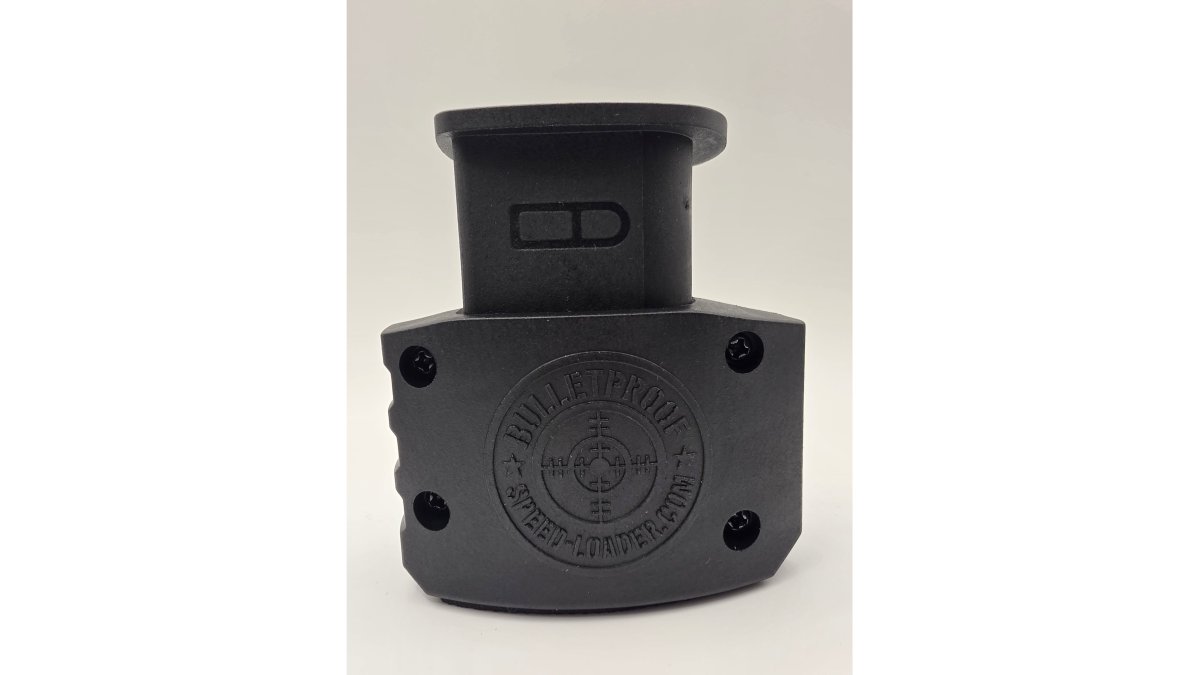
Dampen a lint-free cloth with isopropyl alcohol or polymer-safe solvent and wipe external surfaces, loading surfaces, and visible internal components. Pay special attention to magazine follower contact points.
Clean the magazine spring interface with solvent on a cloth to prevent residue buildup. Air dry completely before reassembling; trapped moisture promotes degradation and corrosion.
Apply a light coat of polymer-safe lubricant to moving parts. Use sparingly; excess attracts dust and debris.
Cleaning Metal Speedloaders: How to Prevent Rust on Metal Firearm Accessories
Metal speedloaders demand a different maintenance philosophy focused on preventing corrosion and oxidation. Metal surfaces exposed to moisture, salt, and oxygen will corrode if not properly protected.

Corrosion Prevention and Lubrication
Anodized aluminum coatings provide corrosion resistance but require proper maintenance. Once compromised through scratches, abrasion, or chemical attack, bare aluminum becomes vulnerable to oxidation.
Prevent corrosion by keeping metal speedloaders dry. If wet, dry immediately with a lint-free cloth. Never store in damp tactical bags or expose to rain or salt spray without protection.
Use isopropyl alcohol or general-purpose gun cleaner. After cleaning, dry thoroughly with compressed air or cloth; residual moisture accelerates corrosion.
Apply a thin coat of gun oil to the lever, mag release button, and moving parts. The lubricant creates a moisture barrier and reduces friction. Wipe away excess to prevent dust accumulation.
Step-by-Step Metal Cleaning Protocol
Begin with dry cleaning using a soft brush to remove powder residue and carbon buildup. Avoid wire brushes that scratch the anodized finish.
Apply isopropyl alcohol or gun cleaner to a lint-free cloth and wipe external surfaces. For stubborn buildup, use a small brush dampened with solvent around the magazine catch, lever, and follower interface.
Pay special attention to seams and crevices where moisture collects. After solvent cleaning, immediately dry with compressed air or cloth; don't let moisture sit on bare metal.
Apply a light coat of gun oil to moving parts and exposed surfaces. Wipe away excess. This protective layer prevents moisture contact and corrosion. Store in a dry location.
Maintaining Tactical Speed Loaders for Long-Term Durability
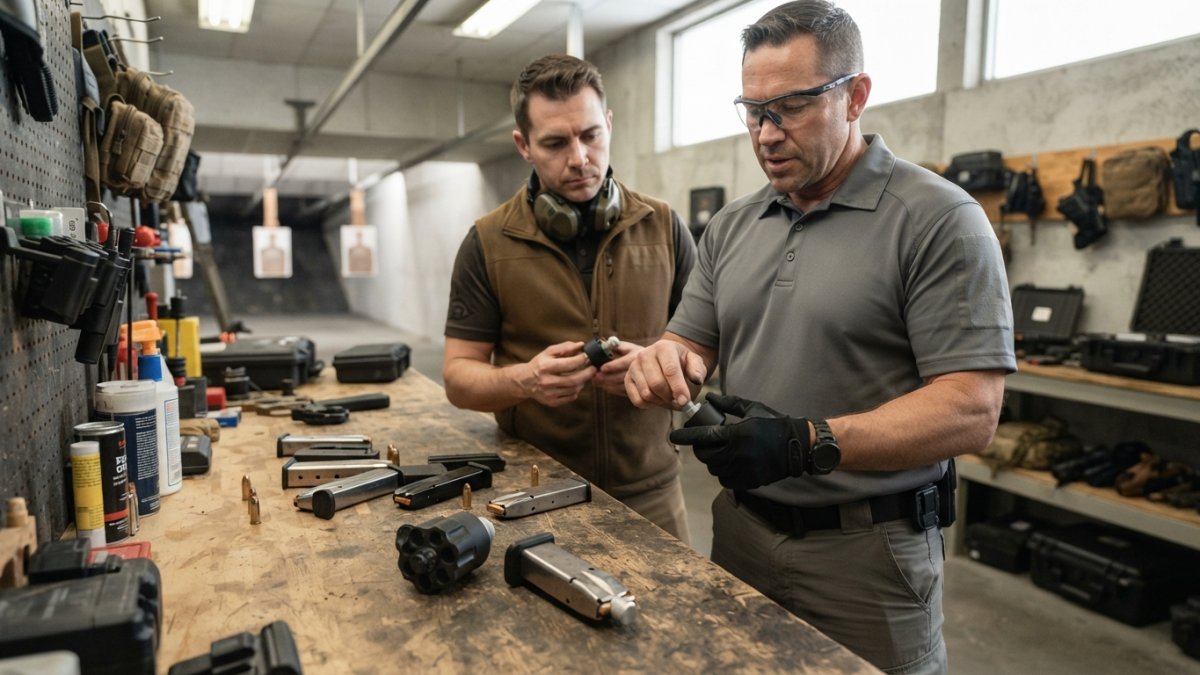
Regular maintenance extends the life of your speedloader and ensures reliable performance under pressure. Whether you're using polymer or metal, establishing a maintenance schedule prevents degradation and catches problems early.
Storage Best Practices and Maintenance Schedule
Store in a dry, cool environment away from direct sunlight. Sunlight degrades polymer and heat accelerates material weakening. A dry closet or gear bag works well for most shooters.
Avoid humid environments like bathrooms, basements, or sun-exposed vehicles. Ensure tactical bags are dry before sealing; trapped moisture creates a corrosion chamber.
Bulletproof Speed-Loader COMBAT Model →
Establish a maintenance schedule based on usage: competitive shooters monthly, recreational shooters every 2-3 months, law enforcement weekly visual inspection and monthly thorough cleaning.
Field Stripping and Disassembly
Consult your loader's documentation before attempting disassembly.
Before attempting disassembly, consult your loader's documentation or contact the manufacturer. Improper disassembly can damage internal springs and mechanical linkages. If you're unfamiliar with the process, stick to external cleaning and avoid forced disassembly.
Comparison Table: Polymer vs Metal Speedloader Maintenance
| Maintenance Factor | Polymer Speedloaders | Metal Speedloaders | Key Difference |
|---|---|---|---|
| Safe Solvents | Isopropyl alcohol, water-based cleaners | Isopropyl alcohol, petroleum solvents, gun cleaners | Metal tolerates stronger solvents |
| Lubrication | Light, sparingly applied | Regular light coat of gun oil | Metal requires more frequent lubrication |
| Storage Environment | Dry, cool, dark | Dry with low humidity, away from salt | Metal more vulnerable to corrosion |
| Cleaning Frequency | Every 2-3 months (recreational) | Monthly (heavy use), every 2-3 months (light use) | Depends on usage intensity |
| Drying Method | Air dry or lint-free cloth | Compressed air + cloth, then oil | Metal needs immediate drying |
| Corrosion Risk | Low (polymer doesn't rust) | High (oxidation if not protected) | Material chemistry determines risk |
| Disassembly | Possible with care | Often sealed; check manufacturer specs | Varies by design |
Common Cleaning Mistakes and Safety Considerations
Ultrasonic Cleaning: Safety and Compatibility
Ultrasonic cleaners are popular for firearms maintenance, but they pose specific risks to speedloaders that most shooters don't understand. An ultrasonic cleaner uses high-frequency sound waves (typically 40-80 kHz) to create microscopic cavitation bubbles in the cleaning solution. These bubbles collapse violently, generating intense localized pressure that dislodges dirt and debris. While this works well for gun barrels and small metal parts, speedloaders present unique challenges.
Why ultrasonic cleaning can damage speedloaders:
-
Spring damage. Speedloaders contain internal springs that are precisely tuned for tension and mechanical action. Ultrasonic vibration can weaken springs, cause them to lose tension, or separate them from their mounting points. A weakened spring results in inconsistent loading force or failure to properly seat rounds.
-
Polymer component separation. Many speedloaders use glued or press-fit polymer components. Ultrasonic vibration can force these components apart or cause internal glue bonds to fail. Once separated, the loader may not function reliably and cannot be easily repaired.
-
Solvent infiltration into sealed areas. Speedloaders are designed with tight tolerances to prevent debris from entering internal mechanisms. Ultrasonic vibration forces cleaning solution into areas that normally remain dry, including spaces between the follower and spring, or between the magazine catch and its housing. When you remove the loader from the ultrasonic bath, this trapped solvent may not fully evaporate, leading to corrosion of internal metal parts or degradation of polymer components.
-
Cavitation erosion on anodized surfaces. Metal speedloaders with anodized aluminum finishes are vulnerable to cavitation erosion, the microscopic pitting caused by collapsing bubbles. This erosion compromises the anodized coating, exposing bare aluminum beneath to corrosion.
When ultrasonic cleaning might be acceptable:
Before attempting ultrasonic cleaning on any speedloader, contact the manufacturer directly. Ask whether your specific model can tolerate ultrasonic vibration. If the manufacturer cannot confirm safety, do not use an ultrasonic cleaner.
Other Common Mistakes
Leaving metal loaders wet or damp. This is the single most common cause of corrosion in metal speedloaders.
Abrasive cleaning methods on polymer or anodized metal. Steel wool, sandpaper, wire brushes, or aggressive scrubbing damages the protective anodized coating on aluminum and scratches polymer surfaces.
Storing loaded speedloaders. A loaded speedloader should never be stored in a vehicle, left unsecured, or placed in a location where it could be accessed by unauthorized users. Store your speedloader unloaded in a safe, dry location.
Ignoring early signs of wear. Speedloaders show visible signs of degradation before they fail completely. For polymer loaders, watch for discoloration, cracks, or a sticky feel to the mechanical action. For metal loaders, look for rust spots, pitting, or a dull appearance where the anodized coating has been compromised. If you notice any of these signs, increase cleaning frequency and inspect the loader more carefully. Early intervention, such as applying additional lubricant to a metal loader showing early corrosion, or replacing a polymer loader showing stress cracks, prevents complete failure in the field.
Testing mechanical function after cleaning. After cleaning and reassembling a speedloader (especially if you disassembled it), always test the mechanical action before returning it to service.
Frequently Asked Questions
What is the best cleaner for polymer speedloaders?
Use mild soapy water or isopropyl alcohol (70% concentration) for polymer speedloaders. Avoid harsh solvents like acetone, benzene, or strong petroleum distillates, which can degrade polymer over time. For debris removal, a soft brush and dry cloth work well. Never soak polymer components in strong solvents; instead, apply cleaner to a cloth and wipe surfaces. The Bulletproof EZ-MAG Pistol Speed Loader's polymer construction handles gentle cleaning methods reliably.
How do you prevent rust on metal speedloaders?
Metal speedloaders like the Bulletproof TIER-1 Model require immediate drying after cleaning and regular lubrication of moving parts. Apply a light coat of gun oil or synthetic lubricant to the lever, mag release button, and catch after each cleaning session. Store in a dry environment away from moisture; use silica gel packets in your range bag if humidity is high. Anodized aluminum finishes provide corrosion resistance, but inspect regularly for oxidation or surface damage that may expose bare metal.
Is it safe to use ultrasonic cleaners for speedloaders?
Ultrasonic cleaners can damage polymer speedloaders by generating heat and vibration that accelerates material fatigue and may crack plastic components. Hand cleaning with a brush and cloth is the safest method for both materials.
How often should you clean your tactical speed-loading gear?
Clean your speedloader after every range session, especially if exposed to dust, carbon buildup, or moisture. Store loaders in a dry location between uses. Regular maintenance prevents mechanical wear and ensures consistent reloading efficiency when it matters most.
Proper maintenance transforms your speedloader from a disposable tool into reliable gear that performs consistently. The Bulletproof Speed-Loader TACTICAL Model and COMBAT Model are engineered for durability, but only proper cleaning and storage unlock that potential. Understand your loader's material, use compatible solvents, and establish a maintenance routine. Your next critical reload depends on it.