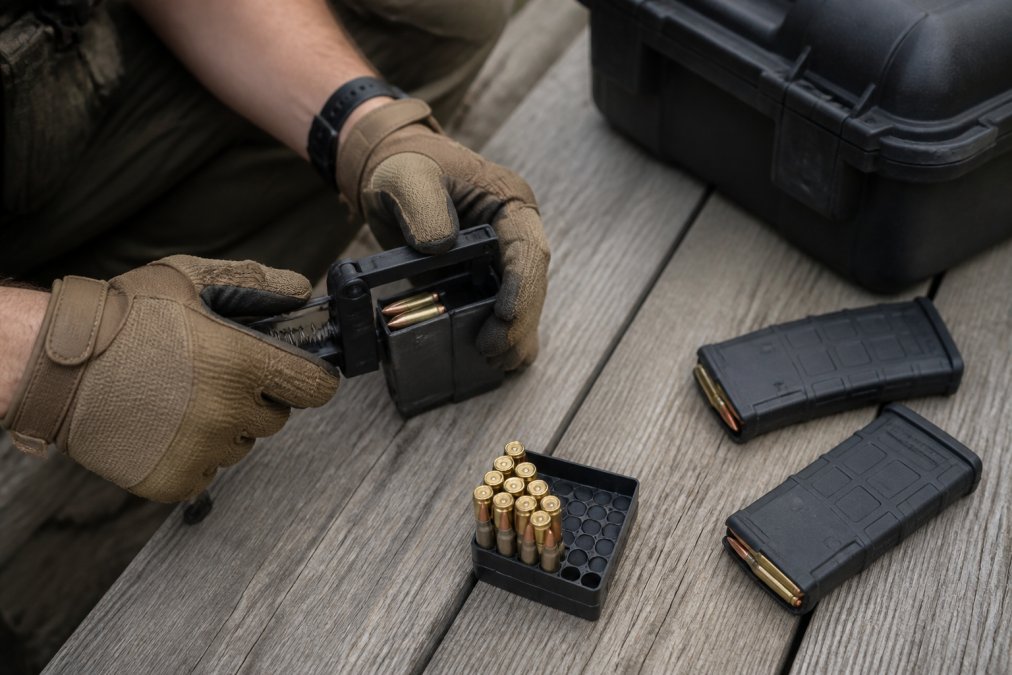
 listicle
Tactical Rifle Magazine Loader Review: Best 2026 Picks
Table of Contents
- What to Look for in a Tactical Magazine Loader
- Bulletproof Speed-Loader COMBAT Model: The Budget Workhorse
- Bulletproof Speed-Loader TACTICAL Model: Best Balance of Price and Performance
- Bulletproof Speed-Loader DELTA Model: The Custom All-Rounder
- Bulletproof Speed-Loader Tier-1 Model: Built for Maximum Durability
- How to Use a Tactical Speed Loader: A Step-by-Step Guide
- Speed Beez vs Makershot Comparison: How Bulletproof Stacks Up
- Frequently Asked Questions
Last Updated: September 9, 2026
A tactical rifle magazine loader review in 2026 is no longer just about counting seconds saved during a range day. Thumb fatigue, feeding reliability, and durability of polymer versus machined metal separate tools that survive years of training from those that fail at the worst moment. The right loader is defined by spring tension handling, mechanical advantage, and performance after thousands of rounds.
A magazine loader compresses a magazine's spring and follower, letting you press rounds into the feed lips without fighting the spring by hand. The four models below cover loose rounds, boxed ammunition, and high-capacity magazines across 5.56 NATO, .45 ACP, and 9mm platforms.
| Model | Price | Build Material | Best For |
|---|---|---|---|
| COMBAT | $69.95 | Durable polymer | Budget range days, universal compatibility |
| TACTICAL | $89.95 | Polymer with anodized aluminum parts | Everyday trips, best balance of price and performance |
| DELTA | $179.95 | 6160 aircraft aluminum | Custom builds, caliber versatility, polished finish |
| Tier-1 | $199.95 | 6160 aircraft-grade aluminum | Maximum durability, hostile conditions, professional use |
What to Look for in a Tactical Magazine Loader
The best loader depends on training frequency, calibers, and whether you load loose or boxed ammunition. Loading speed matters, but reliability under friction and alignment pressure matters more. A loader that strips feed lips or jams is worse than none.
Spring tension is the core challenge. High-capacity magazines and calibers like .45 ACP require significant force; a loader without proper mechanical advantage leaves you fighting the spring. Look for a lever or button that multiplies input force rather than relying on raw thumb pressure.
Bulletproof Speed-Loader COMBAT Model: The Budget Workhorse
The COMBAT Model is the most affordable entry point at $69.95, earning its name through sheer reliability. Built from durable polymer, it handles everyday range trips and harsh conditions. For a simple, compact tool without a steep learning curve, this is the pick.
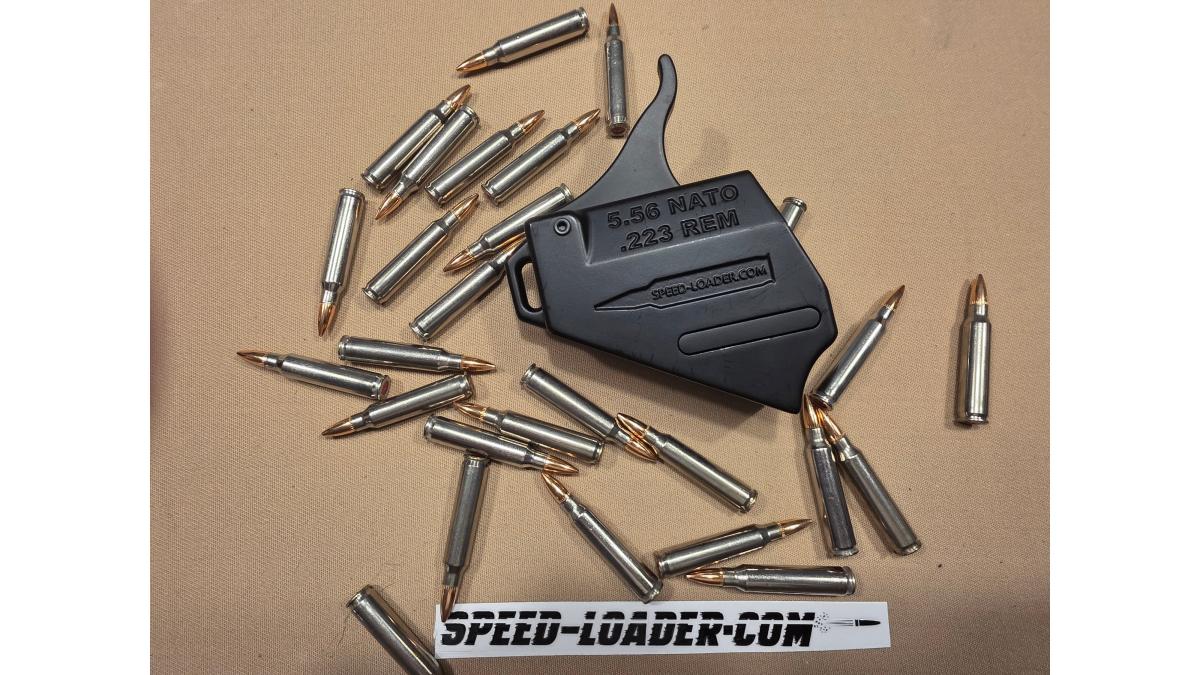
The wide mouth accepts rounds at a natural angle, and the polymer body provides friction control so rounds seat cleanly. It is not the fastest, but it is forgiving for new shooters.
Bulletproof Speed-Loader TACTICAL Model: Best Balance of Price and Performance
Stepping up to $89.95, the TACTICAL Model adds anodized aluminum components to the polymer body, a Lever, Mag Release Button, and Catch. This is the magazine loader review sweet spot: metal durability where it matters without a full machined body. The aluminum lever provides better mechanical advantage on stiff springs.

The aluminum catch engages securely, and the lever action reduces thumb fatigue significantly. For competitive shooters and law enforcement with high training volume, it holds up without developing slop.
The one limitation: the polymer body will show wear faster than a full aluminum build if you log thousands of rounds monthly. For most users this is a non-issue; for weekly trainers, the DELTA or Tier-1 justify their higher price.
Bulletproof Speed-Loader DELTA Model: The Custom All-Rounder
The DELTA Model at $179.95 is machined from 6160 aircraft aluminum, with a jet-black polymer lever, button, and catch. This delivers metal-on-metal smoothness with polymer touch-point comfort. Available in red or black anodized or high-polished aluminum, it lets you customize the body, lever, and hardware.

Aluminum does not become brittle in freezing temperatures, operating smoothly from 20 to 90 degrees (asm.org). For northern shooters training year-round, this is a meaningful advantage.
The DELTA handles caliber versatility well, loading 5.56 NATO.223 REM, 300 BLACKOUT, 7.62X39MM, and 6MM ARC without adjustment. Its weight, while slightly heavier than polymer models, provides a reassuring solidity that translates to consistent round alignment under pressure.
Bulletproof Speed-Loader Tier-1 Model: Built for Maximum Durability
For those who operate at the highest level, the Tier-1 Model at $199.95 is the premier magazine speed loader for the AR-15. Precision-machined from 6160 aircraft-grade aluminum with zero plastic or polymer, it delivers uncompromising strength in any environment. It is the answer for law enforcement and military professionals who cannot afford equipment failure.

The scratch-resistant anodized finish, in Black, Red, Battlefield Blue, or Luxury Gold, protects against drops and rough handling. The polished option adds refinement without sacrificing durability.
The Tier-1's mechanical advantage is excellent. The lever compresses even stiff springs with minimal effort, and the intuitive design ensures consistent performance under stress. When equipment must perform without question, this is the loader.
How to Use a Tactical Speed Loader: A Step-by-Step Guide
Using a tactical speed loader correctly prevents jamming, feed lip damage, and user error. The basic process takes less than a minute to learn, but mastering loose rounds versus boxed ammunition is where you save time and avoid malfunctions.
Basic Loading Procedure
- Insert the loader body into the magazine mouth, ensuring the feed lips seat fully inside the loader channel. You should feel a positive click or a solid stop when the loader is fully seated.
- Press down firmly until the loader locks into place via the catch or button mechanism. A common error here is not pressing hard enough; the loader must be fully engaged to compress the spring correctly.
- Drop a round into the top of the loader, nose-down, aligning the cartridge with the feed lips. For boxed ammunition, this is straightforward. For loose rounds, you'll need to index the round with your thumb and index finger to ensure it drops straight down.
- Press the lever or button to compress the magazine spring and follower depression. Do not release the lever until the round is fully seated.
- Slide the round forward into the magazine until it seats fully. You should feel and hear a distinct 'click' as the round passes the feed lips and snaps into place behind the case rim.
- Release the lever and add the next round, repeating until the magazine reaches capacity. The last two rounds are always the stiffest; if you feel resistance, do not force the lever, check alignment first.
- Depress the release button and lift the loader free of the magazine. Tilt the loader slightly forward as you lift to avoid dragging the top round against the feed lips.
Loading Loose Rounds vs. Boxed Ammo
Loose rounds are the primary source of loading errors. From a bin or ammo can, the cartridge can be at any angle, and debris can cling to the case. Before dropping it in, inspect the case rim for damage or debris; a damaged rim will catch on the feed lips and cause a jam.
Boxed ammunition is easier because rounds are already oriented. However, the tray can shed fibers or dust that accumulate in the loader channel. A quick tap of the tray on the bench will dislodge most particles.
Troubleshooting Common User Errors
The round won't slide forward. This is almost always a misalignment issue. The cartridge nose is catching on the feed lip or the case rim is not aligned with the follower. Stop, release the lever, and remove the round. Re-insert it, ensuring it drops straight down and sits flush in the channel.
The lever is hard to press. This happens on the last few rounds of a fully compressed magazine. It is normal. If the lever becomes excessively stiff, check that the loader is fully seated on the magazine. A partially seated loader will bind against the magazine body.
Rounds are popping out when you release the lever. This indicates the round was not pushed far enough forward past the feed lips. You must push the round until it clicks into place. If it does not click, the round is not fully seated.
The loader won't release from the magazine. Depress the release button fully and wiggle the loader gently. If it still sticks, the magazine spring may be pushing the follower against the loader's internal catch. Press the lever down slightly to relieve tension, then release the button.
Speed Loading Drills
Once you have the basics down, practice a 'two-round load' drill. Load two rounds at once if your model supports it, or practice the single-round motion. Consistent practice can reduce loading time.
Speed Beez vs Makershot Comparison: How Bulletproof Stacks Up
When shooters search for a loader, they want one balancing speed, durability, and price. Both brands offer functional loaders, but most reviews stop at first impressions. Missing is performance after 1,000 rounds, freezing temperatures, and required maintenance.
Long-Term Wear and Tear: The 1,000-Round Reality
Most reviews are written after a single range session. The real test is after a month of weekly training. A common pattern with some polymer-bodied loaders is 'slop' in the lever mechanism, pivot points wear, tolerances loosen, and the loader misaligns rounds, causing jams and feed lip damage.
The Bulletproof COMBAT and TACTICAL models use reinforced pivot points that resist wear. The DELTA and Tier-1, machined from 6160 aircraft aluminum, are designed for durability. The Tier-1's anodized finish resists scratching from concrete drops.
Cold Weather Performance: The Untested Variable
Polymer loaders can become brittle in extreme cold. At 20 degrees Fahrenheit, plastic can lose impact resistance, and a drop onto a frozen range pad can crack the body or shear a catch.
The DELTA and Tier-1, with aluminum bodies and polymer touch points, operate consistently from 20 to 90 degrees (defense.gov). The DELTA's polymer lever and button remain flexible at low temperatures, preventing brittle failure. For northern shooters training year-round, this is a meaningful advantage.
Maintenance and Cleaning: Keeping Your Loader Functional
A loader is a mechanical device requiring periodic maintenance. Dirt and carbon buildup inside the channel can cause failure. Unburnt powder residue and grit can accumulate on internal surfaces, causing rounds to bind.
Cleaning is straightforward. Every 500 rounds, or after a dusty session, disassemble per instructions (army.mil). Wipe the internal channel and lever with a dry cloth; do not use solvent or oil, which attract debris. For DELTA and Tier-1, a soft brush removes stubborn carbon. COMBAT and TACTICAL polymer bodies can be cleaned with mild soap and water, then dried thoroughly.
Lubrication is rarely needed. The lever mechanisms use a dry-film design that does not require grease. Increased friction is almost always due to debris, not lack of lubrication. Clean first; if friction persists, a single drop of lightweight gun oil on the pivot point is sufficient.
Ergonomics for Different Hand Sizes
Many loaders require a wide grip, difficult for smaller hands or arthritis. The Bulletproof lever is positioned for thumb or index finger operation, reducing grip width. The TACTICAL and DELTA feature a textured lever surface for positive purchase with gloves.
For shooters with reduced hand strength, mechanical advantage is critical. The DELTA and Tier-1 are designed to require less force to compress stiff springs. This is a function of the longer lever arm and precise pivot machining.
Frequently Asked Questions
What is the best rifle magazine loader for high-volume training?
For high-volume training, prioritize durability and speed. The Bulletproof Tier-1 Model, machined from 6160 aircraft-grade aluminum, is built to withstand thousands of reloads without wear. Its mechanical advantage reduces thumb fatigue significantly during long range sessions. The Tactical Model offers a durable polymer build with anodized aluminum lever and catch, making it a reliable and more affordable choice for frequent use. Both handle 5.56 NATO, .223 REM, 300 BLACKOUT, and 7.62X39MM, ensuring your loader keeps pace with your training volume.
Can a speed loader damage my magazines?
A quality speed loader should not damage your magazines. The key is to avoid designs with sharp edges that can strip feed lips or scratch the magazine body. Loaders like the Bulletproof Tactical and Combat models use smooth polymer contact points that guide rounds without excessive friction. Always ensure the loader is aligned with the magazine's feed lips before applying pressure. If you experience jamming or resistance, stop and re-check alignment. User error is the most common cause of damage, not the loader itself.
How do Bulletproof Speed Loaders compare to universal loaders?
Universal loaders often struggle with high-capacity magazines and stiffer springs, especially in .45 ACP or 5.56 rounds. Bulletproof Speed Loaders are designed with specific mechanical advantages, using a lever and catch system to compress springs fully. This design provides more leverage, reducing thumb fatigue and ensuring complete loading of 30-round magazines without needing to 'top off' by hand. They are purpose-built for rifle magazines, offering more consistent performance than a one-size-fits-all tool.
Is the UpLULA worth the money for rifle magazines?
For AR-15 platforms, a dedicated loader like the Bulletproof TACTICAL or DELTA model offers a better fit and more leverage. These loaders are engineered for 5.56 and .223 rounds, reducing the effort required to load a full 30-round magazine. Investing in a purpose-built rifle loader reduces thumb fatigue and speeds up your reloading process, making it a worthwhile upgrade for range days and training.