 how-to
Troubleshooting Pistol Magazine Loading Issues
Table of Contents
- Why Your Pistol Magazine Won't Load Properly
- How to Use a Speed Loader for Faster, Easier Loading
- Identifying Feed Lip Damage and Other Visible Problems
- Signs of a Worn Magazine Spring and What to Do
- Troubleshooting Failure to Feed Issues
- Magazine Seating, Binding, and Last-Round Jams
- Break-In Periods and Grip Strength Considerations
- Maintenance and Long-Term Magazine Care
- Frequently Asked Questions
Last Updated: October 3, 2026
Why Your Pistol Magazine Won't Load Properly
Magazine loading issues frustrate shooters more than almost any other range problem. Your magazine should feed rounds smoothly into the chamber. When it doesn't, the fault usually traces back to one of a few common culprits.
Most issues stem from worn springs, damaged feed lips, debris buildup, or improper seating. The good news: most are fixable without replacing the magazine.
Understanding what causes loading failure helps you troubleshoot faster. A magazine that binds during loading might have a weak spring. One that jams on the last round often has feed lip damage. A magazine that won't seat properly in the gun could have a bent base plate or body misalignment.
The real difference between a shooter who wastes range time troubleshooting and one who solves the problem in minutes comes down to knowing where to look first.
How to Use a Speed Loader for Faster, Easier Loading
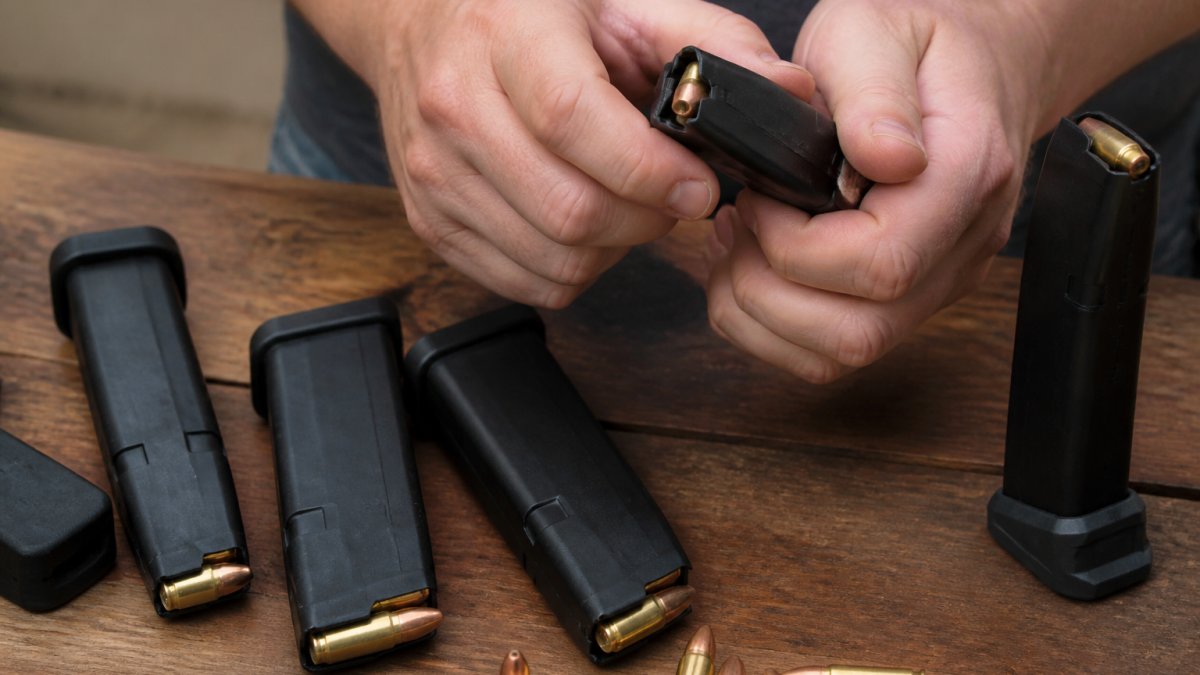
Speed loaders transform magazine loading from a thumb-punishing chore into a smooth, efficient process. They compress the magazine spring just enough to let you seat rounds without fighting the spring tension. This matters whether you're at the range for fun or preparing for competition.
A speed loader works by holding your magazine securely while you insert cartridges one at a time. The loader's design aligns each round with the magazine's feed lips and follower. You push down, and the round seats cleanly. No more sore thumbs. No more missed rounds.
Two-Step Loading Process
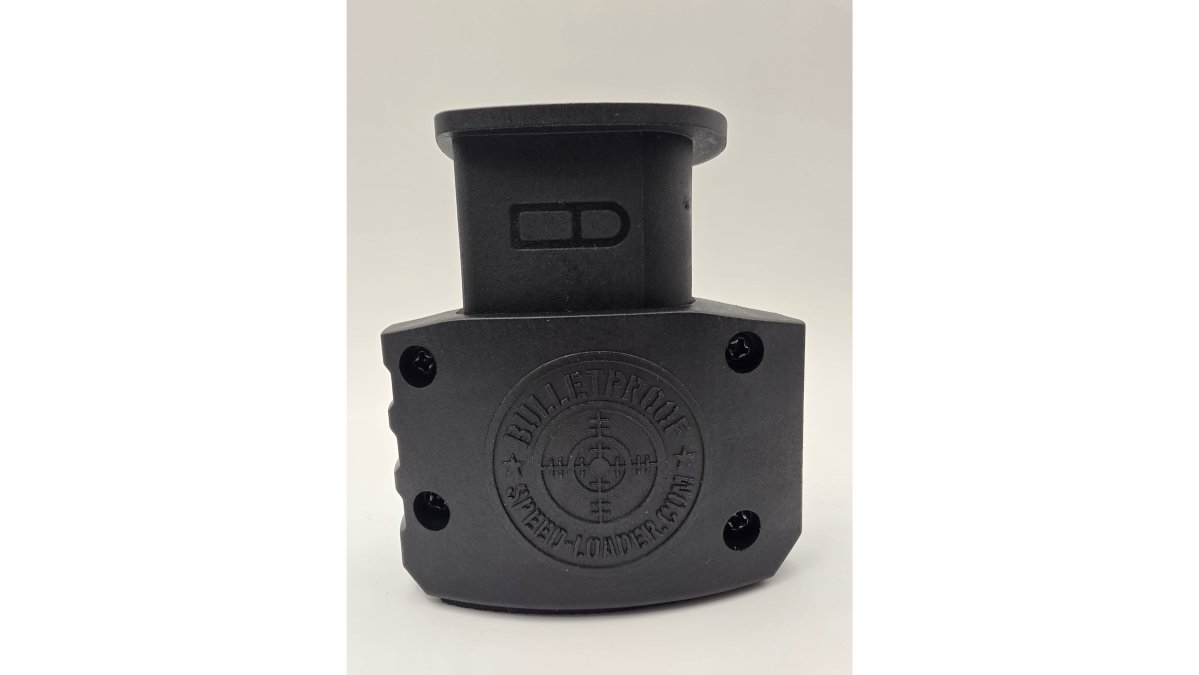
The best speed loaders operate with just two steps. First, insert your magazine into the loader's slot. Second, feed rounds into the top opening and push down until they seat. That's it.
The simplicity matters because speed counts at the range. During matches, every second lost to fumbling with a loader costs you. The fastest shooters use loaders that operate on instinct, not thought.
Position your magazine firmly in the loader's retention slot. Make sure it sits flush and won't shift sideways. Feed your first round into the opening. Push down smoothly until the round seats against the follower. Repeat for each subsequent round.
The two-step design also reduces the risk of stripping feed lips.
Choosing the Right Speed Loader for Your Magazines
Not all speed loaders fit all magazines. Magazine dimensions vary by caliber, manufacturer, and capacity. A loader designed for single-stack 9mm magazines won't work reliably with double-stack .45 ACP magazines.
Consider your primary magazine type first. If you shoot mostly Glock 19s, you need a loader that grips Glock double-stack magazines securely. If you carry a single-stack 1911, you need different geometry.
The Bulletproof Pistol Speed Loader fits Glock models 17, 18, 19, 22, 23, 24, 26, 27, 34, 35, 45, and 47, plus compatible magazines from Sig, Hellcat, Springfield XD, Ruger, CZ, and Beretta platforms.

For shooters with smaller hands, the standard Bulletproof loader still operates smoothly. Hand size affects comfort during extended loading sessions, not the loader's basic function.
Identifying Feed Lip Damage and Other Visible Problems
Feed lips guide each cartridge into the magazine body as it seats. Damaged feed lips create misalignment, causing the round to catch or bind. You'll notice this as resistance when loading or as failure to feed during shooting.
Inspect your magazine's feed lips regularly. They should be parallel, symmetrical, and free from dents, cracks, or burrs. Even a small nick on one feed lip can cause feeding problems.
Visual Inspection Checklist
Perform this inspection monthly or after heavy use:
- Hold the magazine up to bright light and look straight down into the opening
- Check both feed lips for dents, cracks, or visible damage
- Run your finger carefully along each feed lip (watch for sharp edges)
- Verify the base plate sits flush and isn't bent or cracked
- Look for debris, corrosion, or discoloration inside the magazine body
- Check the magazine follower for cracks or deformation
- Inspect the magazine spring for visible rust or deformation
- Ensure the magazine body isn't bent or warped
Damage to feed lips typically can't be repaired. A bent lip might be straightened temporarily, but it will bind again. Replace magazines with damaged feed lips rather than waste range time troubleshooting them.
Polymer magazines sometimes develop stress cracks near the feed lip area. These cracks can spread and eventually cause the magazine to fail completely. If you spot a crack, replace the magazine immediately.
Signs of a Worn Magazine Spring and What to Do
Magazine springs weaken over time. A worn spring loses its ability to push cartridges upward into the feed lips. This causes failure to feed, especially with the last few rounds in the magazine.
A stiff spring is actually a good sign. It means the magazine still has compression force. A spring that feels loose or offers minimal resistance is likely worn out.
Testing Spring Tension and Capacity Loss
Load your magazine fully with dummy rounds (snap caps work well). The follower should sit just below the feed lips. If the follower sits noticeably lower, your spring has lost tension.
Push down on the follower by hand. A healthy spring should push back with firm resistance. You should need meaningful hand strength to compress it fully.
Another test: load the magazine to capacity, then remove one round. The remaining rounds should rise to fill the space almost immediately. If they rise slowly or not at all, spring tension is failing.
Magazine springs typically last thousands of rounds. Heavy shooters who reload magazines daily might notice spring fatigue after two to three years of regular use.
Replacement springs are inexpensive and available from most magazine manufacturers. Some shooters swap springs rather than replace entire magazines. This extends magazine life and saves money over time.
Troubleshooting Failure to Feed Issues
Failure to feed happens when a cartridge doesn't chamber properly. The round might stick partway into the magazine, fail to rise to the feed lips, or jam sideways. The cause is usually spring weakness, feed lip damage, or debris.
Start by removing the magazine and inspecting it visually. Look for obvious damage, debris, or deformation. Load a few dummy rounds and watch how they rise and seat. If they move smoothly, the magazine is probably fine and the problem lies elsewhere in your gun.
Bulletproof Pistol Speed Loader →
Debris, Lubrication, and Cartridge Alignment
Dirt and debris accumulate inside magazines, especially if you carry them in pockets or range bags. Dust, lint, and powder residue reduce spring compression and create friction.
Empty your magazine completely. Use a small brush or compressed air to remove debris from inside the magazine body.
Lubrication matters too, but less than most shooters think. A lightly lubricated magazine spring moves more freely and reduces friction.
Apply a tiny amount of light gun oil to the magazine spring if it feels sticky or rough. One small drop is enough.
Cartridge alignment affects feeding during shooting. If your magazine's feed lips aren't parallel, rounds won't align properly with the chamber. This is why feed lip damage causes such persistent problems.
Test alignment by loading dummy rounds and watching them rise. They should move straight up. If they tilt sideways or bind, check for feed lip damage or a bent magazine body.
Magazine Seating, Binding, and Last-Round Jams
A magazine that won't seat fully in the gun creates immediate problems. The magazine release button might not fully lock it in place. During shooting, the magazine could shift or fall out.
Press the magazine up into the magazine well until you hear or feel a click. The magazine should sit flush with the bottom of the grip. If it doesn't, check for a bent base plate or magazine body.
Last-round jams happen when the final cartridge in the magazine jams during feeding. This often indicates feed lip damage or a follower that's sticking.
Load a magazine with just one dummy round. Watch how it rises and seats. If it binds or catches, your feed lips are likely damaged.
Magazine binding during loading usually means either the magazine body is bent or the follower is sticking. A bent magazine body won't fit properly in the loader or gun.
Break-In Periods and Grip Strength Considerations
New magazines sometimes feel stiff. The spring hasn't loosened yet, and the follower hasn't worn smooth against the magazine body. This is normal and improves with use.
Shoot 200-300 rounds through a new magazine before relying on it for critical use. The spring will loosen slightly, and the follower will wear in.
Grip strength affects your loading experience more than most shooters realize. Smaller hands or reduced grip strength make loading difficult, especially with stiff new springs. A speed loader solves this problem completely.
The Bulletproof Speed-Loader COMBAT Model handles tough springs and high-capacity magazines without requiring excessive hand strength. The mechanical advantage built into the loader does the work your thumbs can't.

Grip strength also affects magazine seating during shooting. A weak grip might not press the magazine fully into the well. This causes the magazine to shift or fall out during rapid fire.
Maintenance and Long-Term Magazine Care
Magazine maintenance is simple but critical. Clean your magazines every 500-1,000 rounds or whenever you notice dirt accumulation. Store them in a cool, dry place away from direct sunlight.
Polymer magazines can become brittle if exposed to extreme heat or prolonged sunlight. Metal magazines can rust if exposed to moisture. Proper storage extends magazine life significantly.
Inspect your magazines before every range trip:
- Check feed lips for damage
- Verify the base plate is secure
- Look for dirt or debris inside
- Test the spring by pressing down on the follower
- Ensure the magazine seats fully in your gun
Replace magazines that show cracks, dents, or persistent feeding problems. A reliable magazine costs less than a failed shot during competition or self-defense.
The Bulletproof Speed-Loader TACTICAL Model is built from durable polymer with anodized aluminum components. It withstands heavy use and rough conditions without degrading.

Rotate your magazines if you use multiple ones. Don't rely on a single magazine for all your shooting. Rotating magazines distributes wear evenly and reduces the chance of a critical failure.
Keep spare magazines loaded and ready. During extended shooting sessions, you'll load magazines faster with a speed loader.
Frequently Asked Questions
Why is my magazine so hard to load by hand?
Stiff springs, tight feed lips, or friction from debris make hand loading difficult and cause finger fatigue. A speed loader reduces this strain dramatically by distributing pressure across your palm instead of your thumbs. If your magazine is new, the spring may need a break-in period of 50-100 rounds before tension normalizes. Check for debris accumulation inside the magazine body and clean it thoroughly.
How do I use a speed loader correctly?
Insert your magazine into the loader's opening, then feed cartridges into the top one at a time while holding the loader steady. Push down on the loader's lever or button to compress the spring and seat each round. The Bulletproof Pistol Speed Loader completes this in just two steps: insert the magazine, then feed and push. This method works for single stack and double stack magazines across most major brands.
What causes failure to feed, and is it always a magazine problem?
Failure to feed can stem from magazine issues like weak springs, damaged feed lips, or improper cartridge alignment, but also from slide problems or lubrication. Start by inspecting your magazine's feed lips for cracks or bending, then check that the spring maintains tension and the follower moves freely. Clean out any debris or corrosion, and ensure rounds are seated flush. Tap, rack, and reassess after each troubleshooting step.
How do I know if my magazine spring is worn out?
Worn springs lose tension, causing cartridges to rattle when the magazine is full, reduced capacity, or difficulty chambering the last round. Test by pressing down on the follower with your hand; it should resist firmly and return quickly. If it feels mushy or weak, or if your magazine no longer holds its rated capacity, the spring has likely fatigued. Spring fatigue is common after thousands of cycles and requires spring replacement or a new magazine.
Magazine loading doesn't have to be painful or frustrating. Most issues trace back to wear, damage, or debris that you can identify and fix yourself. When loading does become difficult, a quality speed loader transforms the experience. Get started with BULLETPROOF SPEED LOADERS and eliminate the thumb fatigue that slows down your shooting sessions.