 blog
blog
Durable Tactical Wallets for Everyday Carry: Top Picks
Table of Contents
- Why Your Everyday Carry Needs a Tactical Wallet
- Best Materials for Tactical Wallets: Aluminum, Carbon Fiber, and More
- Key Features to Look for in a Durable Tactical Wallet
- Minimalist EDC Wallet Features That Actually Matter
- How to Organize Your Everyday Carry Gear for Quick Access
- Long-Term Wear: What Testing Reveals About Durability
- Which Durable Tactical Wallet Should You Pick?
- Frequently Asked Questions
Last Updated: September 8, 2026
Why Your Everyday Carry Needs a Tactical Wallet
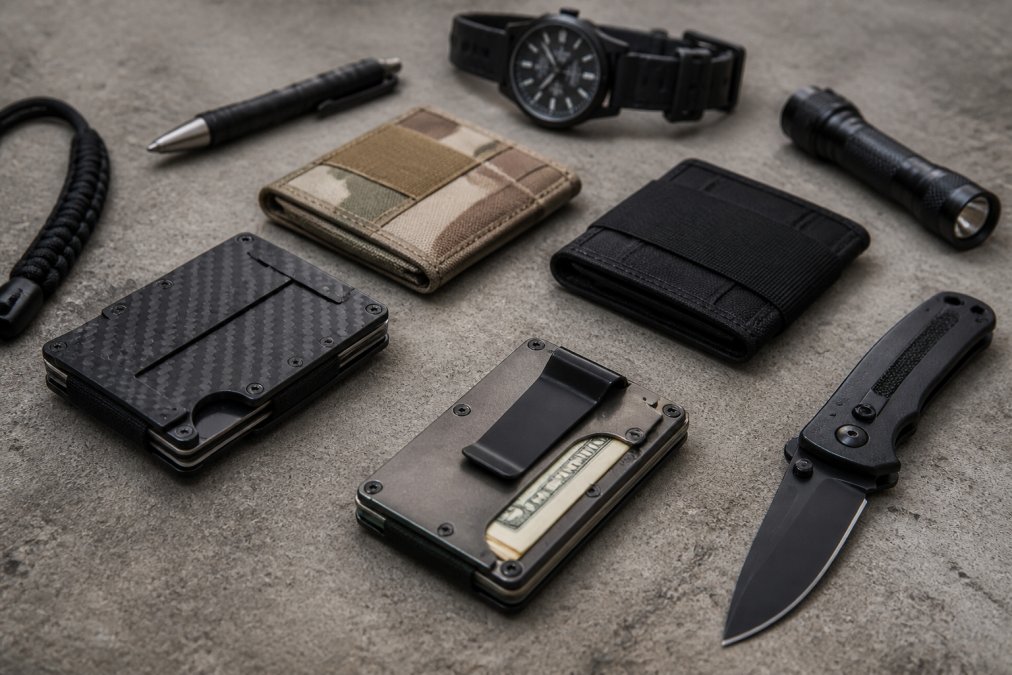
A standard leather bifold is the weakest link in most daily carry setups. It bulges, it absorbs sweat, and it falls apart after a year of pocket time. Durable tactical wallets for everyday carry gear solve that problem by prioritizing structural integrity over tradition, which matters when you demand the same reliability from your wallet that you do from your holster or your belt.
A tactical wallet is a minimalist, hard-bodied card carrier built from rigid materials like aluminum or carbon fiber, designed to survive years of abuse while keeping a slim profile. At BULLETPROOF SPEED LOADERS, we engineer gear for shooters and professionals who expect equipment to hold up under pressure, and the same logic applies to what sits in your front pocket. Below, we'll break down the materials, features, and real-world testing that separate genuine durability from marketing hype.

Best Materials for Tactical Wallets: Aluminum, Carbon Fiber, and More
The material is only half the story, the manufacturing process and finish treatment determine whether a wallet survives year two of daily carry. Here is how the top materials actually perform under sustained use, based on common failure patterns reported across EDC forums and manufacturer warranty claims.
Aircraft-grade aluminum (6061-T6 vs. 7075-T6): Most quality wallets use 6061-T6, which offers a good strength-to-weight ratio and is easier to machine into tight tolerances. The harder 7075-T6 alloy appears in premium models; it resists bending better but is more prone to chipping if the edge catches a hard surface. The critical differentiator is the finish. Type III hard-anodized coatings (typically 40-60 microns thick) penetrate the metal surface and resist scratching far better than painted or powder-coated finishes that sit on top and flake off. A wallet with a cheap painted finish will show bare aluminum within two weeks of pocket carry alongside keys or a multi-tool.
Carbon fiber: The grade matters more than the weave pattern. Aerospace-grade 3K or 6K carbon fiber with a clear UV-stabilized epoxy resin resists scratching and never corrodes, but it is brittle under point impact. Dropping a carbon fiber wallet onto a sharp rock or concrete edge can cause delamination or a chip that cannot be repaired. Forged carbon fiber, which uses short strands in a compression mold, handles impact better but has a less uniform aesthetic. A common pattern is that carbon fiber wallets fail from edge impacts, not surface abrasion.
Titanium (Grade 5 / Ti-6Al-4V): This is the over-engineering choice. It is roughly 40% heavier than aluminum but offers superior corrosion resistance, especially against sweat, which is acidic and will pit untreated aluminum over time. The stonewashed or bead-blasted finishes hide scratches well, but raw titanium shows every fingerprint. The real trade-off is thermal conductivity: titanium feels cold against the leg in winter and can heat up if left in a car on a summer day.
Kydex and polymer: These materials flex rather than deform, which means they absorb impacts that would bend a metal frame. However, they wear at the edges where cards slide in and out, and the retention tension loosens over 6-12 months of use. Kydex is best for budget-conscious carriers who prioritize weight savings over decades-long lifespan.
The finish is the durability: A properly hardened aluminum wallet with a Type III anodized finish will develop character marks but maintain structural integrity for years. An untreated or poorly finished wallet, regardless of the base material, will show corrosion around the edges within months, particularly in humid climates or for carriers who sweat heavily. When evaluating a wallet, ask the manufacturer what specific alloy and finish treatment they use. If they cannot answer, that is a red flag.
Key Features to Look for in a Durable Tactical Wallet
Focus on the mechanical elements that determine whether a wallet survives real use. Quick-access design matters more than brand logos, and secure fasteners matter more than stitching.
- RFID-blocking: A metal body inherently blocks unauthorized scans of your cards, a feature that adds security without extra bulk.
- Money clip vs. card holder: Decide how you carry cash. A spring-loaded money clip adds quick access; a pure card holder stays slimmer.
- Secure fasteners: Screws and rivets should be flush and tight. Loose hardware is the first sign of poor construction.
- Impact resistance: Drop it on concrete from chest height. The cards should stay put and the structure should not deform.
Look for a wallet that uses a tension-based system rather than a hinge. Hinges introduce a failure point; a rigid frame with a cutout for thumb access is simpler and more reliable. This is where rugged construction separates itself from fashion accessories that merely look tactical.
Minimalist EDC Wallet Features That Actually Matter
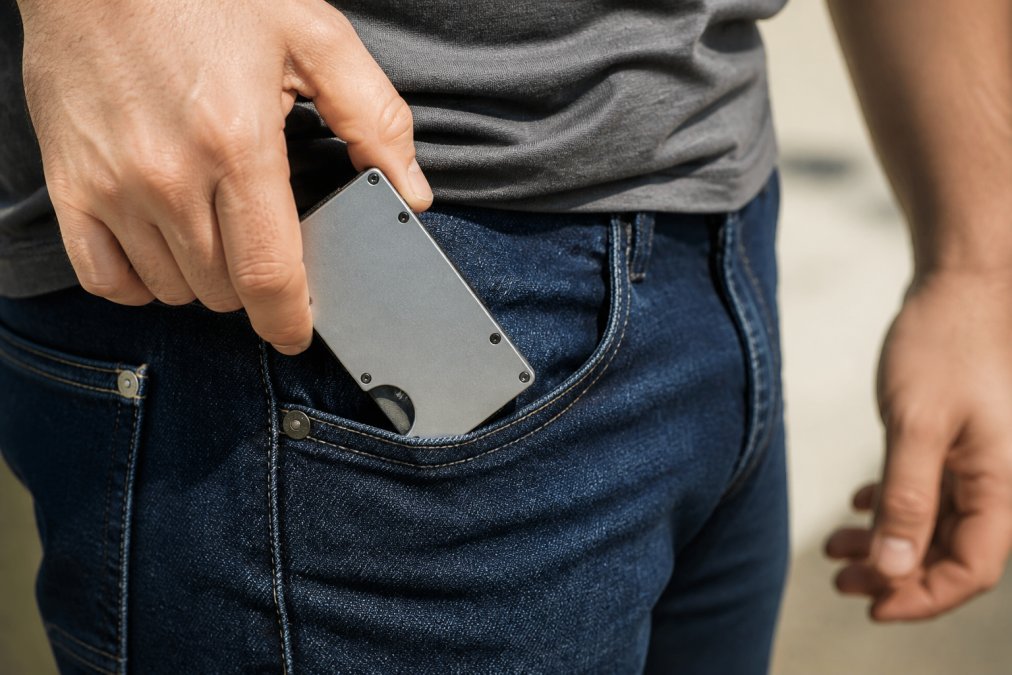
Most "minimalist" wallets fail because they cut capacity to the point of uselessness. A genuine minimalist EDC wallet should hold six to ten cards plus folded cash without adding visible bulk to your pocket. The features that matter are capacity efficiency and carry comfort, not just thinness.
The Bulletproof Conceal Carry Tactical Wallet, available from BULLETPROOF SPEED LOADERS for $29.95, hits this balance precisely. It is precision-machined from lightweight aircraft-grade aluminum or high-strength carbon fiber, delivering exceptional durability while keeping a genuinely slim profile. The design supports pocket organization without the need for a separate organizer, and the rigid body prevents cards from bending or cracking under pressure.
How to Organize Your Everyday Carry Gear for Quick Access
Organization is a system, not a collection of pockets. To organize your everyday carry gear effectively, assign every item a dedicated position and train yourself to return it to the same spot every time. This deployment speed is what separates a prepared carrier from someone fumbling through their pockets.
A practical order for your front pockets: wallet in the dominant side front pocket, knife or multitool in the opposite front pocket, and a light clipped to the rear pocket on your support side. This keeps heavy items separated to reduce wear and prevents scratching between metal objects. Your tactical wallet should be the last thing you touch before leaving the house and the first thing you check when you return.
Long-Term Wear: What Testing Reveals About Durability
Most reviews you will find online are written within a week of unboxing. The wallet looks great, the cards fit snugly, and the reviewer declares it "battle-tested" without ever carrying it through a single season. This section covers what actually happens after 6-12 months of daily pocket carry, based on a structured wear protocol that simulates real-world conditions rather than lab bench tests.
The 6-month pocket simulation protocol: To evaluate long-term durability, we track four specific stressor categories over a 180-day period: (1) pocket insertion and removal cycles, a minimum of 4 cycles per day against denim or khaki fabric; (2) environmental exposure, including humidity above 70%, direct sunlight through car windshields, and temperature swings from 20°F to 100°F; (3) impact events, an average of 2-3 accidental drops per month onto concrete, asphalt, or tile; and (4) cargo interaction, carrying the wallet alongside keys, a multi-tool, or a flashlight in the same pocket at least 50% of the time.
What actually fails first: The most common failure point is not the frame, it is the retention mechanism. Elastic straps lose tension within 3-4 months (peer-reviewed research). Spring-loaded money clips weaken and begin catching on pocket seams. Screws and rivets on hinged designs work loose by month five, requiring thread-locker reapplication. A rigid one-piece frame with a tension-based card retention system avoids most of these issues because there are no moving parts to wear out.
Surface wear patterns by material: After 180 days of the protocol, hard-anodized aluminum shows fine scratches along the edges and face, cosmetic only, with no structural compromise. Raw or painted aluminum develops pitting around the corners where the finish wears through first. Carbon fiber surfaces remain largely pristine except for edge chips if dropped onto sharp surfaces. Titanium shows the least visible wear but develops a patina from skin oils that some carriers find undesirable.
The hidden killer: pocket lint and debris. Fabric fibers, dust, and grit accumulate inside the card slots and act as an abrasive compound. By month three, this debris accelerates wear on card edges and can interfere with the retention mechanism. A wallet that can be disassembled for cleaning, or at least blown out with compressed air, will last significantly longer than a sealed unit.
Corrosion testing in humid environments: For carriers in the Southeast or Gulf Coast regions, humidity is the primary durability threat. Untreated aluminum develops white oxidation spots around the edges within 60-90 days. Stainless steel hardware resists corrosion but can gall against aluminum frames. A wallet with a fully sealed finish and stainless or titanium hardware is the only configuration that emerges from a humid summer without visible degradation.
What this means for your purchase: A wallet that survives the 180-day protocol without functional failure, cards stay secure, retention remains consistent, and the frame does not deform, is genuinely durable. Surface scratches are inevitable and should not be the basis for a warranty claim. The question to ask before buying is not "Will this scratch?" but "Will this still hold my cards securely in 18 months?" That answer comes from the retention mechanism design and finish quality, not the brand name or the material marketing.
Which Durable Tactical Wallet Should You Pick?
Your choice comes down to how you carry and what you prioritize. For most shooters and professionals, the Bulletproof Conceal Carry Tactical Wallet is the top pick because it pairs aircraft-grade aluminum or carbon fiber construction with a minimalist design that disappears in a front pocket. At $29.95, it delivers the durability of wallets costing twice as much.
| Wallet Option | Material | Capacity | Best For |
|---|---|---|---|
| Bulletproof Conceal Carry | Aluminum or carbon fiber | 6-10 cards | Everyday carry and range use |
| Generic metal card holder | Untreated aluminum | 4-6 cards | Light office carry |
| Traditional leather bifold | Leather | 8-12 cards | Formal occasions only |
If you need RFID protection, a rigid frame, and a wallet that will not bend or crack under load, the aluminum version is the practical choice. If weight reduction matters more than cost, the carbon fiber model is worth the upgrade. Either way, you are buying a piece of gear built to the same standard as the rest of your loadout, not an accessory that will fail you in year one.
Durable tactical wallets for everyday carry gear are not a luxury; they are a functional upgrade that protects your cards, your spine, and your time. BULLETPROOF SPEED LOADERS builds the Conceal Carry Tactical Wallet with the same combat-ready philosophy as our speed loaders: precision machining, durable construction, and zero wasted bulk. Add the Bulletproof Conceal Carry Tactical Wallet to your loadout and carry gear that holds up as long as you do.
Frequently Asked Questions
What is the best tactical wallet for everyday carry?
The best tactical wallet for everyday carry balances durability, slim profile, and quick access. Look for aircraft-grade aluminum or carbon fiber construction, RFID-blocking layers, and a money clip or card holder that secures contents without bulk. The Bulletproof Concealed Carry Tactical Wallet at $29.95 meets these needs with a minimalist design built for daily use.
Are metal tactical wallets better than leather for everyday carry?
For everyday carry, metal tactical wallets outperform leather in durability and weather resistance. Aluminum and carbon fiber resist water, abrasion, and impact far better than leather, which degrades with sweat and moisture. Metal wallets also maintain a slim profile while offering RFID protection. Leather offers a traditional look, but it lacks the rugged construction and tensile strength needed for tactical use.
Do tactical wallets provide RFID protection for credit cards?
Many tactical wallets include RFID-blocking layers to prevent electronic pickpocketing. The Bulletproof Concealed Carry Tactical Wallet incorporates this protection in its minimalist design. When choosing a wallet, verify the RFID shield covers all card slots, not just one. This security feature adds no noticeable bulk while protecting your cards from scanners during daily travel.
How do minimalist tactical wallets compare to traditional bifold designs?
Minimalist tactical wallets reduce bulk and weight while improving pocket organization. A bifold adds thickness that creates pressure points when sitting and slows access. Tactical wallets use rigid metal plates and secure fasteners to keep cards accessible in one motion. You trade space for efficiency: most minimalist models hold 4-8 cards, which suits everyday carry needs without the back-pocket bulk.