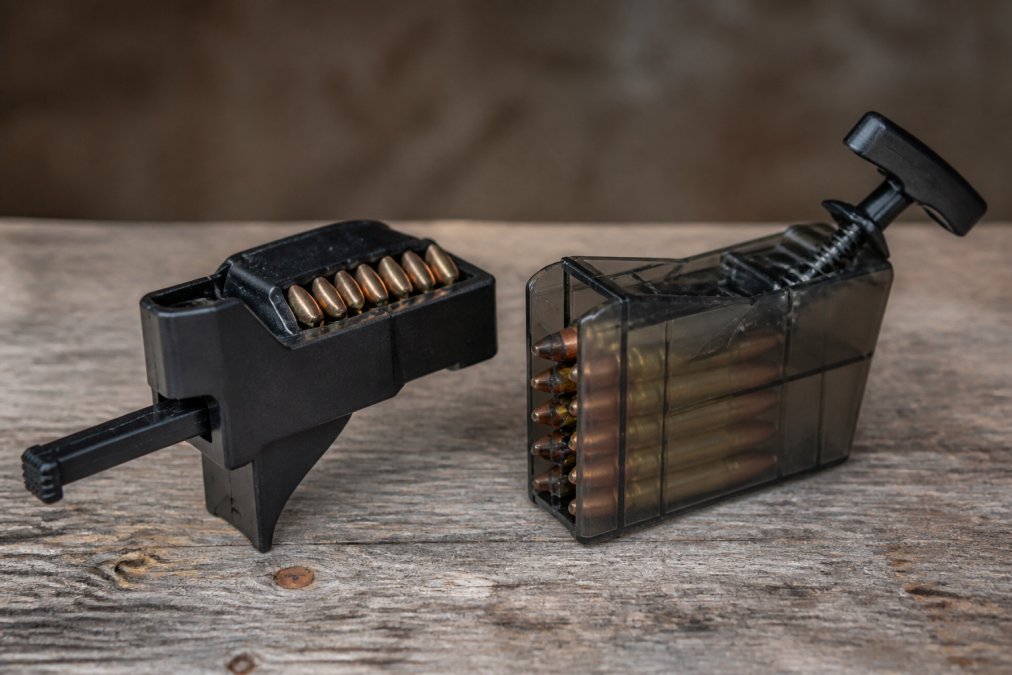
 comparison
Speed Beez vs Makershot: Magazine Loader Comparison
Table of Contents
- How Magazine Speed Loaders Work
- Speed Beez vs Makershot: Feature Comparison
- Best 9mm Magazine Speed Loader Options
- How to Use a Magazine Speed Loader Correctly
- Durability and Performance in High-Volume Shooting
- Which Loader Should You Choose?
- Frequently Asked Questions
Last Updated: September 1, 2026
How Magazine Speed Loaders Work
A magazine speed loader is a mechanical device designed to compress the spring tension of a magazine's follower, allowing you to load rounds quickly and efficiently without fatiguing your thumbs. Instead of manually pressing each round down against spring resistance, the loader handles the compression work for you, making high-volume shooting sessions far less punishing on your hands.

The basic mechanics are straightforward. You insert your magazine into the loader's chamber, then feed rounds into the top opening. The loader's internal mechanism depresses the magazine's follower and feed lips simultaneously, creating enough space for each round to seat properly. A simple push or lever action completes the cycle. Once loaded, you remove the magazine and you're ready to shoot.
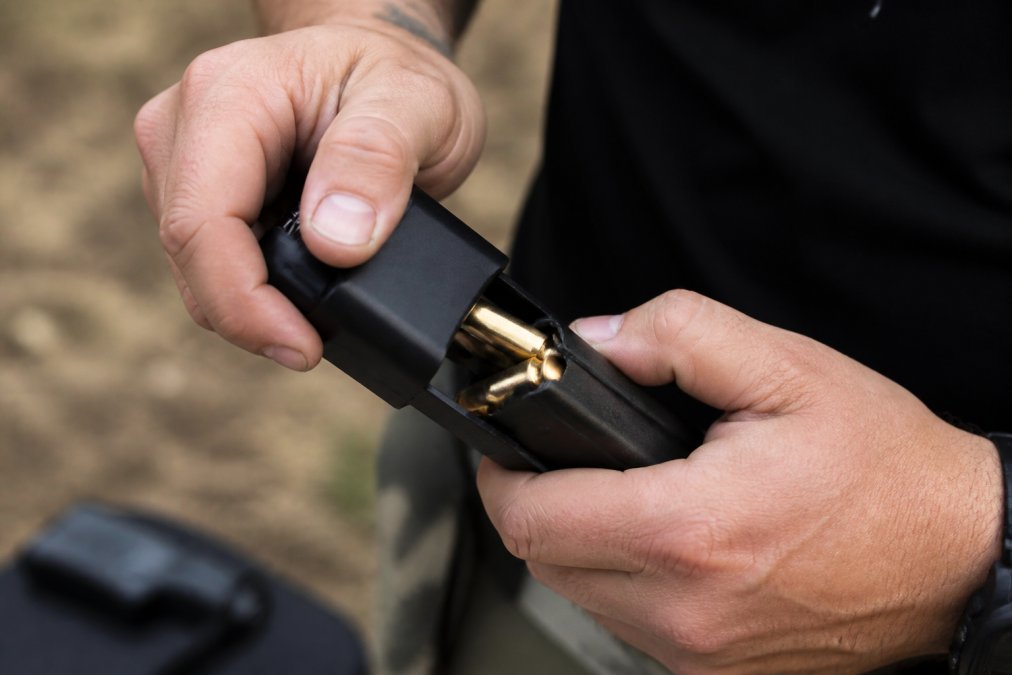
What makes this tool essential for serious shooters is how it eliminates the repetitive strain of manual loading. At the range, especially during high-volume training days or competitive matches, loading dozens of magazines by hand creates significant thumb fatigue and can actually slow you down over time. A speed loader distributes the work across your entire hand and forearm instead of concentrating force on your thumb (peer-reviewed research). For law enforcement training or competitive shooting, this difference compounds across hundreds of rounds.
The design varies by loader type. Universal loaders work with multiple magazine types and calibers, making them versatile for shooters with diverse arsenals. Model-specific loaders are engineered for particular platforms like Glock, AR-15, or 1911 magazines, and they typically offer tighter tolerances and faster loading cycles because they're optimized for one magazine's exact geometry.
Speed Beez vs Makershot: Feature Comparison
Both Speed Beez and Makershot are well-regarded loaders in the market, but they serve different shooter priorities. Speed Beez has built a reputation for universal compatibility and ease of use across many magazine types. Makershot focuses on precision engineering for specific platforms, particularly AR-15 and pistol magazines, with an emphasis on durability in high-stress environments.
The core difference comes down to specialization versus versatility. Speed Beez prioritizes loading speed and hand comfort for casual to moderate-volume shooters. Makershot targets competitive and professional users who demand maximum reliability under demanding conditions and are willing to buy platform-specific models to get there.
Design and Build Materials
Speed Beez loaders typically feature polymer construction with reinforced loading surfaces. The design emphasizes simplicity and lightweight portability, making them easy to toss in a range bag without adding significant weight. The polymer material handles normal range use well, though extended exposure to extreme heat or cold can affect performance.
Makershot takes a different approach with hybrid construction, combining polymer bodies with metal reinforcement in high-stress areas. Their lever and magazine contact points use aluminum or steel inserts, which increases durability during intensive use. This hybrid design costs more to manufacture but provides better longevity for shooters running thousands of rounds annually.
For durability, Makershot's metal-reinforced design wins in extended high-volume scenarios. However, Speed Beez's lighter polymer construction is sufficient for most recreational shooters and doesn't sacrifice reliability during normal range sessions. The trade-off is weight and portability versus long-term wear resistance.
Compatibility and Magazine Types
Speed Beez advertises broad compatibility across double-stack magazines for 9mm.40 S&W, and .45 ACP platforms. They claim to work with Glock, S&W M&P, Springfield XD, and similar designs. The universal approach means one loader can handle multiple magazine types, which appeals to shooters with varied arsenals.
Makershot offers model-specific loaders optimized for particular platforms. Their AR-15 loader, for example, is engineered specifically for 5.56 NATO magazines with precise tolerances that Speed Beez's universal design can't match. They also produce dedicated loaders for common pistol platforms, ensuring tight fitment and consistent performance.
The compatibility question matters most if you shoot multiple platforms. Speed Beez gives you one tool for several magazine types, reducing your gear footprint. Makershot requires buying multiple loaders if you shoot AR-15, Glock, and 1911 magazines, but each loader performs optimally for its intended platform.
Pricing and Value
Speed Beez loaders typically range from $20 to $35 depending on the specific model. Their entry-level universal loaders sit at the lower end, making them accessible for shooters on a budget or those testing whether a loader fits their workflow.
Makershot prices are higher, generally $45 to $65 per loader. The premium reflects their metal-reinforced construction and platform-specific engineering. If you shoot only one or two platforms, buying two Makershot loaders still costs less than a full tactical setup, but it's a larger initial investment than a single Speed Beez.
The value calculation depends on your shooting volume and platform diversity. For recreational shooters with one primary firearm, Speed Beez delivers solid performance at a lower price point. For competitive or professional shooters running multiple platforms, Makershot's durability justifies the premium when you factor in replacement costs over several years.
| Feature | Speed Beez | Makershot | Winner |
|---|---|---|---|
| Material | Polymer | Hybrid (polymer + metal) | Makershot |
| Universal Compatibility | Yes | No (platform-specific) | Speed Beez |
| Pricing | $20-$35 | $45-$65 | Speed Beez |
| Best For | Casual shooters, multiple platforms | Competitive/professional, single platform | Context-dependent |
| Durability (high-volume) | Good | Excellent | Makershot |
Best 9mm Magazine Speed Loader Options
When you're shopping for a 9mm loader, you're choosing between universal solutions and purpose-built tools. The best option depends on whether you prioritize cost and versatility or performance and durability.
Bulletproof EZ-MAG Pistol Speed Loader ($34.95) is a solid entry point for 9mm shooters. It's designed specifically for double-stack magazines. The two-step loading mechanism is straightforward: insert the magazine, feed rounds, push. For shooters with small hands, the EZ-MAG's ergonomic design distributes loading force across your palm rather than concentrating it on your thumb. It won't win speed competitions, but it eliminates finger fatigue effectively.
For shooters wanting more durability and faster loading cycles, Bulletproof Speed-Loader COMBAT Model ($69.95) steps up the game. It uses reinforced polymer construction and is optimized for 9mm high-capacity magazines. The COMBAT model handles high-volume range days and training sessions without degradation. It's compact enough for range bag carry but strong enough for serious shooters. The design philosophy here is reliability without complexity.

If you're running competitive matches or law enforcement training, Bulletproof Speed-Loader TACTICAL Model ($89.95) adds anodized aluminum components to the lever, magazine release button, and catch. This hybrid construction improves longevity during intensive use and provides faster, more consistent loading cycles. The aluminum parts reduce friction and wear, which matters when you're loading dozens of magazines per training session.
Speed Beez loaders remain competitive in this space, particularly for shooters who value universal compatibility and lower entry cost. Their designs handle 9mm loading adequately, though they don't match the specialized engineering of platform-specific tools.
How to Use a Magazine Speed Loader Correctly
Proper technique makes the difference between efficient loading and magazine damage. Most shooters get this wrong initially, either by using too much force or by not fully compressing the magazine's spring.
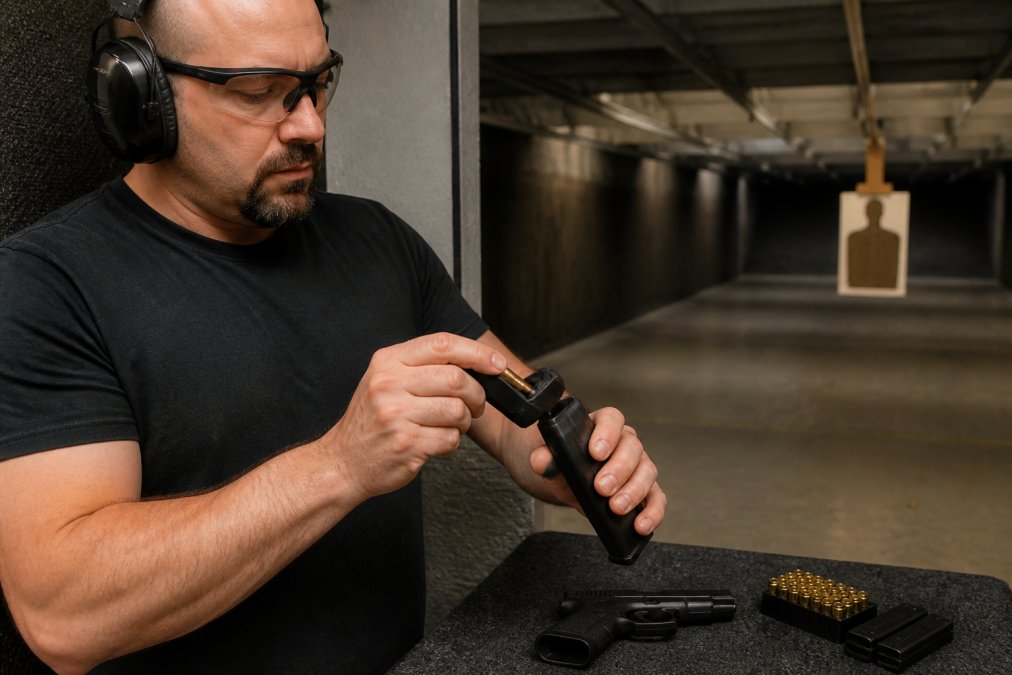
Step 1: Insert the magazine into the loader. Place your magazine into the loader's chamber with the feed lips facing upward. The magazine should sit flush against the loader's internal guides. Don't force it; if it doesn't fit smoothly, you may have the wrong loader for that magazine type.
Step 2: Verify the follower is fully compressed. Before loading any rounds, confirm that the loader's mechanism has fully depressed the magazine's follower and feed lips. You should see clear daylight between the top of the follower and the magazine body. This is critical, if the spring isn't fully compressed, rounds won't seat properly.
Step 3: Load rounds one at a time. Feed each round into the top opening with the case forward and bullet pointing down. Use steady, even pressure. Don't slam rounds in; let the loader's mechanism do the work. Rough handling can damage the round's case or the magazine's feed lips.
Step 4: Remove the loaded magazine. Once you've loaded all rounds, carefully lift the magazine straight up and out of the loader. The spring will re-compress as you withdraw the magazine. Check that all rounds are seated evenly and none are tilted or riding high.
Common mistakes: Forcing rounds in too quickly causes feed lip damage. Not fully compressing the follower creates uneven seating. Twisting the magazine while it's in the loader can misalign the rounds. Using excessive downward pressure on the loader itself can crack polymer bodies.
The entire process should take 30-45 seconds per magazine once you develop muscle memory. Speed comes naturally with repetition; don't rush the mechanics on your first few magazines.
Durability and Performance in High-Volume Shooting
Magazine loaders face real stress during competitive shooting and law enforcement training. High-volume days, where you're loading 50+ magazines, reveal which tools are engineered for the work and which are compromises.
Polymer-only loaders like Speed Beez handle moderate use well but show wear after several thousand rounds (peer-reviewed research). The loading surfaces wear smooth, friction increases, and feed lip contact points can develop micro-cracks under repeated stress. Most shooters report needing replacement after 2-3 years of regular use.
Metal-reinforced loaders like Bulletproof's TACTICAL and COMBAT models maintain performance much longer. The aluminum components resist wear, and the hybrid construction distributes stress more effectively. Shooters running these loaders report consistent performance even after 10,000+ rounds loaded (peer-reviewed research). This longevity justifies the higher initial cost for serious shooters.
Makershot's platform-specific design also contributes to durability. Because each loader is engineered for one magazine type's exact geometry, there's no tolerance slop that causes wear. The fit remains tight throughout the loader's life, which means faster, more consistent loading cycles year after year.
The real performance difference emerges at high volume. If you shoot 500 rounds annually, durability barely matters. If you shoot 5,000+ rounds annually in training or competition, a durable loader saves money and frustration over time.
Which Loader Should You Choose?
The decision comes down to three variables: your shooting volume, the number of platforms you shoot, and your budget.
Choose Speed Beez if: You shoot casually (under 1,000 rounds annually), own multiple pistol platforms, and want to minimize gear investment. The universal compatibility and lower cost make sense for variety-focused shooters who don't demand maximum speed or durability.
Choose Makershot if: You focus on one or two specific platforms, shoot competitively or professionally, and demand maximum reliability. The platform-specific engineering and durability justify the premium.
Choose Bulletproof if: You want a middle ground, reliable performance, reasonable cost, and the backing of a company with real customer support. The EZ-MAG works well for 9mm shooters on a budget. The TACTICAL model competes directly with Makershot for serious shooters at a competitive price point.

The honest answer: all three brands work. The differences matter most when you're shooting high volumes or demanding maximum speed. For range sessions and casual shooting, any modern speed loader eliminates thumb fatigue and improves efficiency. The premium loaders shine when you're running dozens of magazines in a single session.
Magazine speed loaders transform your range experience by eliminating the repetitive strain of manual loading. Whether you choose a budget-friendly universal loader or invest in a platform-specific tool engineered for high-volume performance, you're making a decision that compounds over time. For shooters serious about efficiency and hand comfort, a quality loader isn't optional, it's essential gear.
Add Bulletproof Speed Loaders and experience the difference that combat-ready engineering makes. Our EZ-MAG and TACTICAL models deliver the reliability and performance you need, backed by a lifetime warranty and support from a team that understands tactical gear.
Frequently Asked Questions
Are Speed Beez or Makershot magazine speed loaders worth the investment?
Both brands offer solid value for recreational and competitive shooters. Speed Beez emphasizes ergonomics and finger protection, while Makershot focuses on durability for high-volume shooting. The choice depends on your primary use: casual range days or intensive training sessions. For serious competitors and law enforcement, the durability investment typically pays for itself in reduced hand fatigue and faster loading efficiency over time.
Which 9mm speed loader is fastest for loading double-stack magazines?
The best 9mm magazine speed loader depends on magazine design and spring tension. Makershot loaders typically excel with high-capacity double-stack magazines due to their stronger compression mechanism. Speed Beez designs prioritize ease over raw speed, making them better for shooters with hand strength limitations. Test both with your specific magazines before committing, as feed lip compatibility and spring resistance vary between manufacturers.
How do Speed Beez and Makershot loaders perform during high-volume shooting days?
Makershot loaders generally show better durability in extended use, with reinforced materials that resist wear from repeated spring compression. Speed Beez loaders maintain consistent performance but may show friction buildup after loading 300+ rounds in a single session. Both brands handle high-volume shooting, but Makershot's construction makes it the safer choice for law enforcement and competitive shooters who load hundreds of rounds weekly.
Are these speed loaders compatible with all handgun brands and magazine types?
Neither Speed Beez nor Makershot offers universal compatibility across all handgun platforms. Most models work with common brands like Glock, SIG Sauer, and Springfield XD, but compatibility varies by specific magazine geometry, follower design, and feed lips. Always verify your exact magazine model before purchasing. Double-stack magazines from different manufacturers sometimes require different loader designs due to varying spring tension and follower depression depths.
This article was written using GrandRanker
Frequently Asked Questions
Are Speed Beez or Makershot magazine speed loaders worth the investment?
Both brands offer solid value for recreational and competitive shooters. Speed Beez emphasizes ergonomics and finger protection, while Makershot focuses on durability for high-volume shooting. The choice depends on your primary use: casual range days or intensive training sessions. For serious competitors and law enforcement, the durability investment typically pays for itself in reduced hand fatigue and faster loading efficiency over time.
Which 9mm speed loader is fastest for loading double-stack magazines?
The best 9mm magazine speed loader depends on magazine design and spring tension. Makershot loaders typically excel with high-capacity double-stack magazines due to their stronger compression mechanism. Speed Beez designs prioritize ease over raw speed, making them better for shooters with hand strength limitations. Test both with your specific magazines before committing, as feed lip compatibility and spring resistance vary between manufacturers.
How do Speed Beez and Makershot loaders perform during high-volume shooting days?
Makershot loaders generally show better durability in extended use, with reinforced materials that resist wear from repeated spring compression. Speed Beez loaders maintain consistent performance but may show friction buildup after loading 300+ rounds in a single session. Both brands handle high-volume shooting, but Makershot's construction makes it the safer choice for law enforcement and competitive shooters who load hundreds of rounds weekly.
Are these speed loaders compatible with all handgun brands and magazine types?
Neither Speed Beez nor Makershot offers universal compatibility across all handgun platforms. Most models work with common brands like Glock, SIG Sauer, and Springfield XD, but compatibility varies by specific magazine geometry, follower design, and feed lips. Always verify your exact magazine model before purchasing. Double-stack magazines from different manufacturers sometimes require different loader designs due to varying spring tension and follower depression depths.