 how-to
When to Upgrade to Aftermarket Magazine Base Plates
Table of Contents
- Understanding the Magazine Base Plate Purpose
- When Your Factory Base Plate Needs Replacement
- Capacity Gains With Extended Magazine Base Plates
- Magazine Base Plate Compatibility and Fitment
- Ergonomics and Reload Speed Improvements
- Magazine Spring Maintenance and Aftermarket Upgrades
- Decision Checklist: Should You Upgrade?
- Frequently Asked Questions
Last Updated: October 19, 2026
Understanding the Magazine Base Plate Purpose
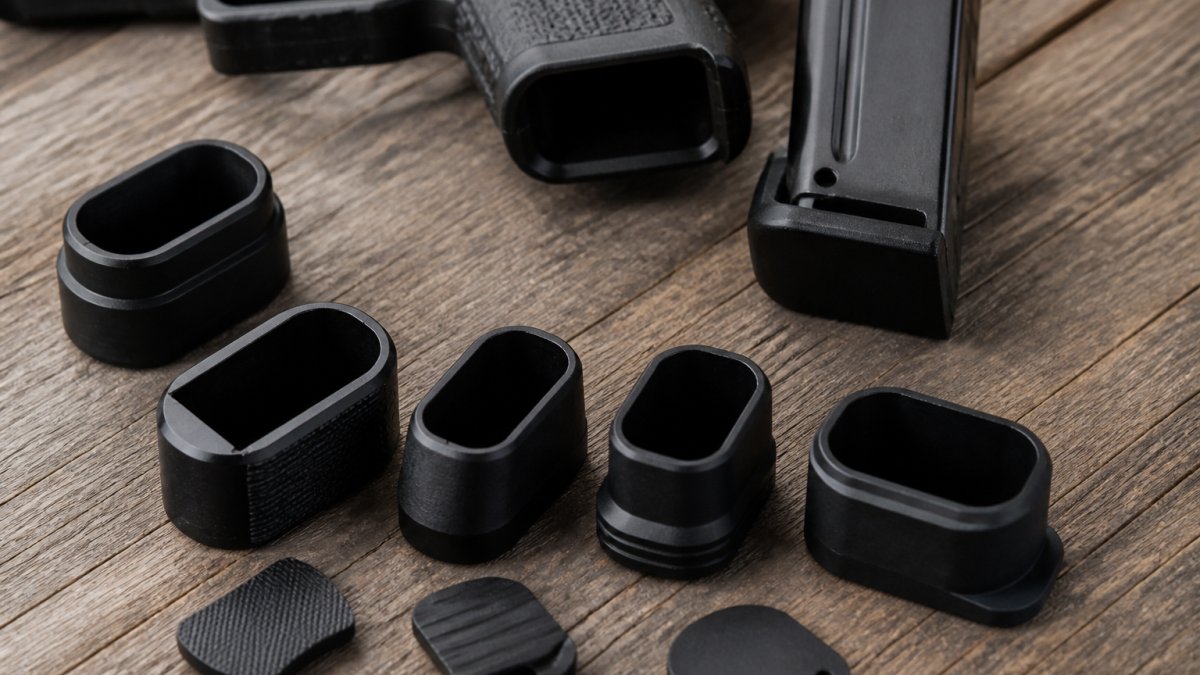
A magazine base plate is the metal or polymer component at the bottom of a firearm magazine that holds the spring and follower in place, keeping your ammunition secure and your magazine functional. Aftermarket magazine base plates are engineered upgrades designed to improve reliability, speed, and durability beyond factory specifications.
Factory base plates work fine for casual shooting, but they're designed for cost, not performance. They flex under pressure, don't always drop free from the magazine well, and slow magazine changes.
This is where aftermarket magazine base plates enter the picture. Engineered for reliability, speed, and durability, they can transform magazine performance at the range, in competition, or for defense.
The right base plate improves reload speed, protects your magazine spring, and gives you confidence your gear will work when it matters.
When Your Factory Base Plate Needs Replacement
Factory base plates fail for specific reasons. Recognizing these signs tells you when it's time to upgrade.
Your factory base plate needs replacement if:
- The magazine won't drop free from the magazine well
- You see visible cracks or bending in the base plate
- The spring feels weak or magazines don't load reliably
- You're experiencing feeding malfunctions after heavy use
- The base plate is corroded or shows rust spots
Heavy shooting accelerates wear. Law enforcement and competitive shooters running thousands of rounds monthly often see factory base plates degrade within 6-12 months.
Once a factory base plate starts to fail, magazine reliability drops fast: a weak spring causes feeding failures, and a stuck base plate slows reloads.
Replacing your factory base plate before failure is the smarter move, you avoid a malfunction when you need your magazine most.
Capacity Gains With Extended Magazine Base Plates
Extended magazine base plates add capacity by extending the magazine body slightly downward, allowing room for one or two additional rounds.
A standard 9mm magazine holds 15 rounds. Add an extended base plate, and you might fit 17 rounds. A .45 ACP mag jumps from 8 rounds to 10 rounds.
Capacity gains vary by firearm and magazine model, some platforms allow 1-2 additional rounds, while tighter magazine wells might only gain 1.
The trade-off is weight and profile.
Magazine Base Plate Compatibility and Fitment
Not every aftermarket magazine base plate fits every magazine. Fitment is critical.
Magazine wells vary in width and depth.
Before buying, verify:
- Your specific firearm model and magazine generation
- The magazine well dimensions (width and depth)
- Whether the aftermarket base plate lists your magazine as compatible
- If installation requires modification to the magazine or magazine well
Poor fitment causes problems: a loose base plate can rattle, while a tight fit can make the magazine stick in the well or fail to seat.
Check the product specifications for your exact magazine model before ordering, and contact the manufacturer when in doubt.
Ergonomics and Reload Speed Improvements
An upgraded magazine base plate changes how fast you can reload and how comfortable the reload feels.
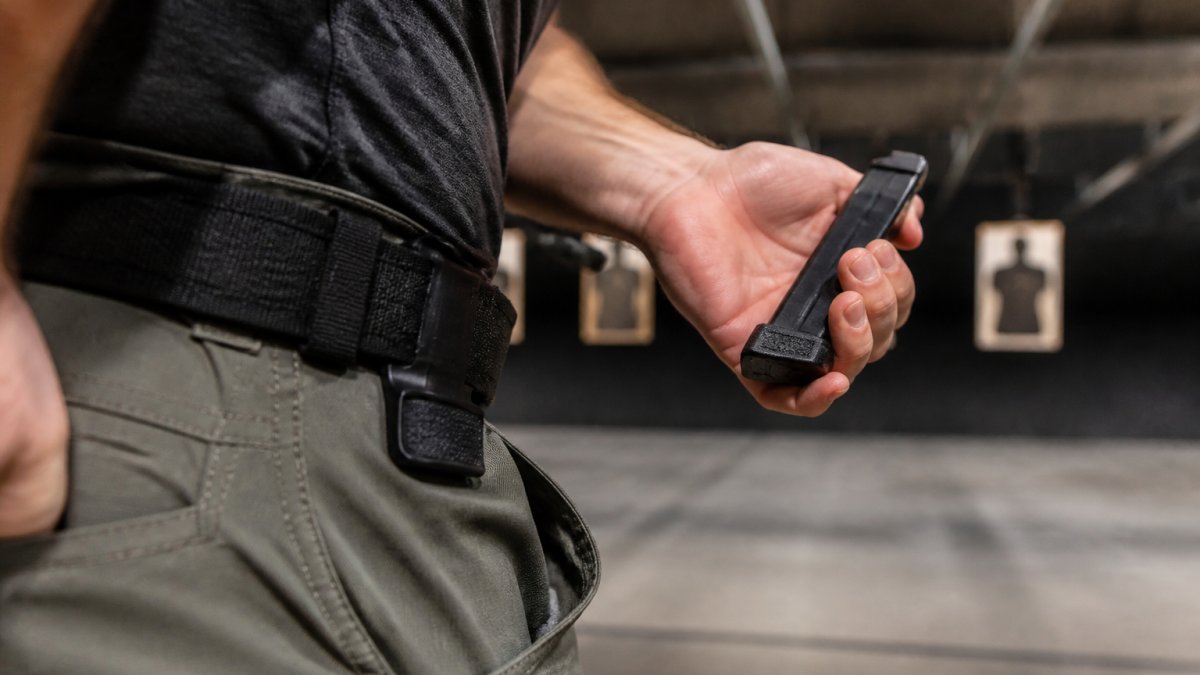
Larger base plates give your fingers more surface area to grip.
Textured or beveled base plates improve grip in wet conditions or with gloves.
Competitive shooters see measurable improvements. Reload times drop by 0.2-0.4 seconds when switching to optimized base plates.
For concealed carry, ergonomics affect draw speed and reload reliability under stress, an easy-to-grip base plate means faster, more reliable reloads when your life depends on it.
Magazine Spring Maintenance and Aftermarket Upgrades
A base plate is only as good as the spring and follower it holds in place. Upgrading the plate without addressing the internals, or without verifying the install, is where most aftermarket base plate problems start.
What the base plate actually does to the spring
The base plate is the retention point for the magazine spring. Its internal geometry determines how evenly the spring compresses and how securely the spring and follower stay aligned.
That said, a base plate does not "restore" a worn spring. If your magazine has been loaded for years or has thousands of cycles, the spring may be near the end of its service life regardless of the plate.
Installation risks to check before you trust the magazine
Most aftermarket base plate problems trace to installation, not the part. Before loading a single round, verify:
- Spring orientation. The spring must sit in the same orientation as the factory install. A reversed or misaligned spring causes binding and erratic follower travel.
- Follower alignment. The follower should sit square and move freely through the full range of travel. If it tilts or catches, the spring is not seated correctly.
- Plate lock-up. The plate should seat fully with no gap and no rocking. A plate that requires excessive force to install, or that clicks or shifts when pressed, is not fully seated.
- Retention. With the magazine loaded, press the base plate firmly against a padded surface. It should not pop off or shift. If it does, the retention tabs or pin are not engaged.
- Insertion and drop-free function. Insert the magazine into the firearm and confirm it seats with a positive click. Press the release and confirm it drops free without assistance. Repeat several times.
Reliability testing after installation
Do not carry or compete with a new base plate until you have verified function. A practical sequence:
- Function check (no live fire). Load five snap caps or dummy rounds. Cycle them through the firearm by hand and confirm they feed and eject. Confirm the slide locks back on an empty magazine.
- Live-fire break-in. Run at least 50-100 rounds through the magazine at the range. Watch for failures to feed, failures to lock back, and any change in how the magazine seats.
- Drop-free check under live conditions. After live fire, confirm the magazine still drops free when the release is pressed. Heat and fouling can change fit.
- Retention check. After the range session, inspect the plate for any movement, cracking, or wear at the retention points. Re-seat if anything has shifted.
- Carry or match only after the above pass. A base plate that has not been function-tested is an unproven part.
Maintenance intervals and when to replace rather than upgrade
Inspect base plates at every magazine cleaning, every few hundred rounds for high-volume shooters, at least once per season for carry users. Look for cracks at the retention tabs, deformation at the spring seat, corrosion on metal plates, and any looseness in the fit.
Replace the plate rather than re-upgrade it if you see:
- Cracks radiating from the retention tabs or pin holes
- A plate that no longer locks up securely even when correctly installed
- Deformation at the spring seat that lets the spring shift
- Corrosion that has compromised the metal
A damaged plate is a magazine failure waiting to happen. Replacement is cheaper than a malfunction at the wrong moment.
Decision Checklist: Should You Upgrade?
The question isn't whether aftermarket base plates are good, it's whether they're worth it for your magazine, your firearm, and your use case right now. Use this checklist to make that call with specifics instead of guesswork.
Step 1: Score your current setup
Answer each item honestly. Two or more "yes" answers means an upgrade is worth pricing out.
| Question | Why it matters |
|---|---|
| Do your magazines fail to drop free from the well when you press the release? | A binding magazine costs you time on every reload and points to a base plate or magwell fit issue. |
| Have you logged a feeding or seating malfunction in the last 500 rounds? | Recurring malfunctions after heavy use often trace to spring or base plate wear. |
| Do you shoot more than 500 rounds per month? | High-volume shooters wear factory polymer plates faster than casual shooters. |
| Do you compete in a sport where reloads are timed? | Measurable speed gains justify the cost in USPSA, IDPA, or similar formats. |
| Do you carry for defense and train reloads under stress? | Grip surface and drop-free behavior matter more when the reload is not on a flat range. |
| Are your factory plates cracked, bent, or corroded? | Replacement is not optional at this point, upgrade or replace with OEM. |
| Do you run a magazine well funnel or extended magwell? | Aftermarket plates are often designed to interface with these accessories; factory plates may not. |
Step 2: Match the upgrade to your use case
Concealed carry. Prioritize a low-profile plate with mild texture and no added length. Capacity extensions add bulk and can print; check your holster and garment before committing.
Duty and law enforcement. Prioritize durability, secure retention, and drop-free behavior. Metal plates with a positive lock-up and a textured face are common choices.
Competition. Prioritize capacity within your division's rules, weight for faster seating, and a wide, textured face for fast extraction.
Recreational range use. Upgrade when factory plates show wear or when you want easier disassembly for cleaning.
Step 3: Run the cost-benefit math
A single aftermarket base plate and a set for three to five magazines is a modest one-time cost compared with ammunition, match fees, or a training class. But a plate does not fix a worn spring, a damaged follower, or an out-of-spec magazine. If your magazines are otherwise healthy, the upgrade improves reliability and speed; if not, replace the magazine or its internals first, a new base plate on a tired magazine is money spent on the wrong part.
Step 4: Decide what to buy first
If you are upgrading a carry or duty magazine, buy one plate, install it on your primary magazine, and run it through the verification steps before buying plates for the rest of your rotation. If you are upgrading for competition, buy plates for your match magazines first and keep your practice magazines stock so you can compare feel and function side by side.
Frequently Asked Questions
What is the purpose of a magazine base plate?
A magazine base plate seals the bottom of the magazine, containing the follower and spring. Factory base plates are functional but often brittle and prone to cracking. Aftermarket magazine base plates upgrade this component with improved materials, better ergonomics, and sometimes added capacity. They also provide easier disassembly for cleaning and maintenance, and some designs offer drop-free behavior that lets magazines fall freely from the magwell without catching.
Do extended magazine base plates actually increase capacity?
Yes, extended magazine base plates can add 1-3 rounds depending on the design and magazine type. They work by extending the magazine body slightly, giving the spring and follower more room. However, capacity gains vary by caliber and magazine model. Some extended designs maintain the same spring tension, while others require careful installation to ensure reliable feeding. Always verify compatibility with your specific magazine and firearm before relying on capacity extensions.
Are aftermarket magazine base plates compatible with every magazine?
No. Magazine base plate compatibility depends on the magazine model, caliber, and magwell design. A base plate designed for a Glock 9mm may not fit a .45 ACP magazine or a different brand's design. Before upgrading, confirm the aftermarket base plate matches your magazine type and firearm. Improper fitment can cause feeding malfunctions, magazine retention issues, or difficulty inserting magazines into the magwell.
How does magazine spring maintenance relate to aftermarket base plates?
Magazine spring maintenance is easier with aftermarket base plates because most designs allow tool-free or quick disassembly. Factory base plates often require punches or pliers to remove, making routine cleaning tedious. Aftermarket options with push-button or twist-lock designs let you access the spring and follower in seconds, making it simple to inspect for debris, clean the magazine body, and verify spring tension. Regular maintenance extends magazine lifespan and ensures reliable feeding in critical situations.
When you're ready to upgrade, BULLETPROOF SPEED LOADERS offers magazine base plates engineered for shooters who demand reliability and speed. Our aftermarket base plates improve reload performance, protect your magazine spring, and deliver the drop-free function you need in high-pressure situations. Explore our tactical gear and find the right base plate for your firearm and use case. Get started today and experience the difference quality equipment makes.